Some pop songs arrive as hits, while others become emotional shorthand for an entire generation. The video presents “Careless Whisper” as the second kind, a ballad whose opening saxophone line still seems to summon dim lights, late night regret, and the polished melancholy of 1980s pop.
Its central argument is simple but persuasive: the song endures because one unforgettable instrumental phrase, one carefully controlled vocal performance, and one story of broken trust merged into a complete mood. Rather than treating the track as background nostalgia, the presentation frames it as a landmark recording that shaped how listeners remember the sound and feeling of its era.
The saxophone riff receives the most immediate attention, and rightly so, because it is the song’s signature before a single word is sung. Smooth, mournful, and instantly recognizable, it acts almost like a character in the drama, announcing that something intimate has already gone wrong.
That riff also explains why the ballad has traveled so easily across decades and formats. A listener does not need to know every lyric to recognize the emotional setting, because the melody itself communicates longing, hesitation, and the ache of consequences arriving too late.
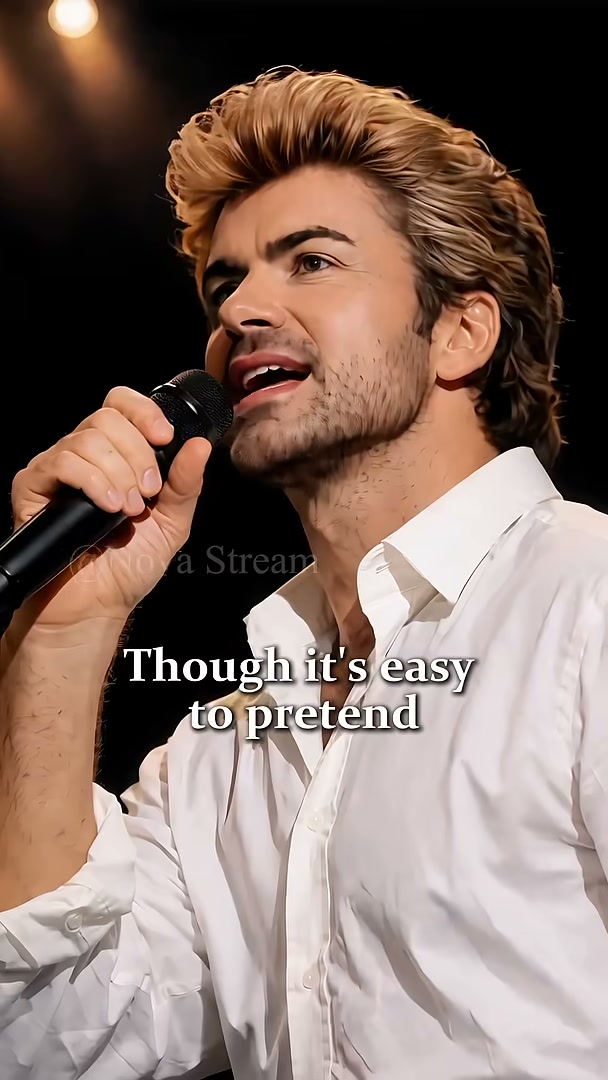
The video uses an AI enhanced digital human tribute to recreate the atmosphere around the performance, presenting technology as a tool for immersion rather than as a replacement for feeling. This distinction matters, because the best use of such enhancement is not to erase the original human vulnerability, but to guide new audiences toward it.
In that sense, the digital presentation becomes both homage and lesson. It invites viewers to look closely at how mood is built through expression, timing, visual restraint, and the quiet tension between a glamorous surface and an uneasy confession.
The vocal style is described as breathy, intimate, and smooth, but the real strength lies in its restraint. Instead of pushing every emotion to the front, the performance lets regret sit just beneath the surface, which makes the confession feel more private and more believable.
That approach is one reason the song has remained powerful beyond its production era. Many 1980s ballads used drama and gloss, but this one balances its elegance with an emotional narrowness that feels like someone trying to stay composed while admitting damage that cannot be repaired.
The lyrics deepen that effect by focusing on guilt, lost trust, and the lingering knowledge that one mistake can permanently change a relationship. The famous image of “guilty feet” may sound unusual at first, yet it works because it turns remorse into movement, suggesting a person who can no longer dance freely through the life they once knew.
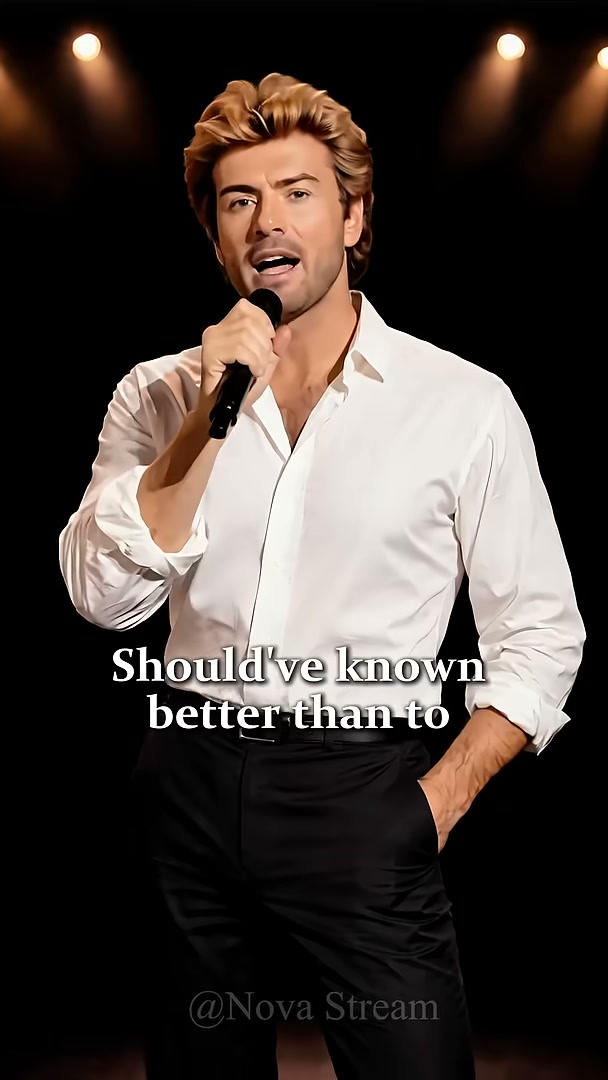
The video highlights this phrase not only as a memorable lyric, but also as a useful point for language practice. Its sounds, rhythm, and phrasing give learners a compact way to study pronunciation while also understanding how pop writing can make an abstract emotion concrete.
That educational angle is one of the more interesting parts of the presentation. Viewers are encouraged to sing along, mirror the phrasing, and notice how breath, stress, and transitions between words shape the meaning as much as vocabulary does.
This makes the tribute more active than a simple listening session. The audience is not asked merely to admire a classic song from a distance, but to enter its structure through voice, rhythm, repetition, and emotional attention.
The song’s narrative arc is familiar yet effective: a bond has been broken, trust has been lost, and the speaker is left with the knowledge that desire and regret can occupy the same memory. What keeps the story from becoming melodrama is the way it avoids excessive explanation, leaving enough space for listeners to project their own experiences of apology, embarrassment, or irreversible choice.
That openness helps explain why the track remains so widely understood across cultures and age groups. Even without sharing the exact circumstances of the song’s narrator, audiences recognize the feeling of realizing too late that a moment of carelessness has carried a lasting cost.
The video’s framing of the ballad as an “era defining” work is not merely a claim about chart success. It points to the way the song gathers several key traits of 1980s pop: sleek production, romantic melancholy, memorable instrumental hooks, and a performance style that feels both polished and wounded.
At the same time, the piece avoids reducing the track to nostalgia alone. It suggests that the song still works because its craft remains visible, especially in the careful relationship between the saxophone motif, the vocal line, and the slow unfolding of regret.
The AI enhanced format adds another layer to that discussion by showing how older pop materials can be reintroduced in digital spaces. For some viewers, the technology may be the point of entry, while the song becomes the deeper discovery waiting behind the visual novelty.
That balance is important in contemporary music culture, where classics often return through short clips, remixes, performances, and algorithmic recommendations. A successful tribute should do more than make a familiar song look new; it should help audiences hear why the original feeling has lasted.
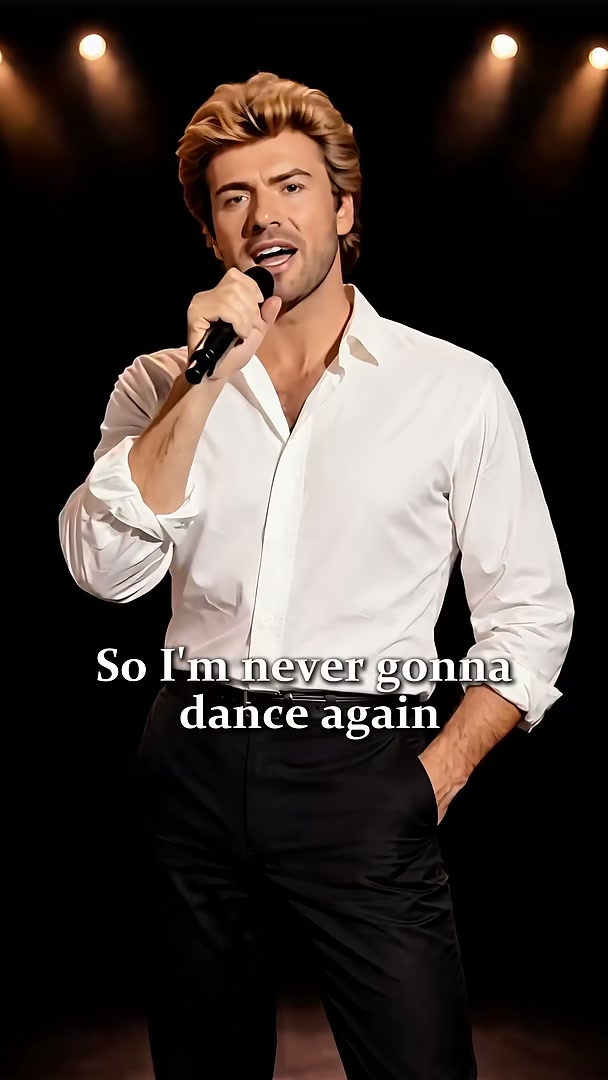
The participatory tone also reflects how people engage with music today. Singing along, reading lyrics on screen, repeating difficult phrases, and using songs to practice language all turn passive listening into a form of personal involvement.
This is especially fitting for a ballad built around confession. When viewers imitate the phrasing, they are not just practicing sounds; they are briefly stepping into the emotional posture of someone trying to express shame without losing control.
The video’s emphasis on rhythm and breath is also well chosen. In a song like this, pauses matter because they create the impression of thought, hesitation, and vulnerability, giving the listener time to feel the weight behind each line.
Transitions between words can be just as revealing. Smooth delivery helps maintain the sensual surface of the track, while small changes in emphasis expose the unease underneath, allowing the performance to move between elegance and confession without breaking its spell.
A balanced reading should acknowledge that any AI enhanced tribute depends on careful presentation. If the technology becomes too flashy, it risks flattening the emotional subtlety that made the song meaningful in the first place.
According to the description, however, the goal here is to amplify intimacy rather than replace it. By foregrounding the saxophone, the vocal restraint, and the lyric’s emotional logic, the tribute appears designed to support close listening rather than distract from it.
The result is a portrait of a song that lives in several spaces at once. It is a pop classic, a vocal study, a language exercise, a memory trigger, and a compact story about the damage left behind when trust is broken.
That range helps explain why “Careless Whisper” continues to feel immediate long after its original decade. Its production may carry the sheen of the 1980s, but its emotional material remains ordinary in the best sense: recognizable, human, and difficult to outgrow.
Ultimately, the video treats the song’s famous saxophone line not as a decorative hook, but as the doorway into everything that follows. Once that melody begins, the listener is already inside a world of regret, and the voice simply gives that feeling words.
As a tribute, the presentation succeeds most when it reminds viewers that classics survive through renewed attention. Technology can refresh the frame, but the lasting power still comes from the song’s careful fusion of melody, restraint, and the painful clarity of looking back too late.