
The episode builds its entire identity around a simple but effective idea, transforming a familiar daytime talk show into what is presented as the biggest baby shower ever. Instead of a typical studio crowd, the audience is made up entirely of first-time expectant mothers, giving the hour a clear theme, a heightened sense of anticipation, and an unusually personal connection between the host and the people in the seats.
From the opening moments, the energy in the room is unmistakable, with cheering, applause, and excited reactions setting the tone before the first major joke lands. Ellen DeGeneres leans into that atmosphere immediately, greeting the crowd with warmth while making it clear that the show will celebrate pregnancy through comedy, conversation, and giveaways.
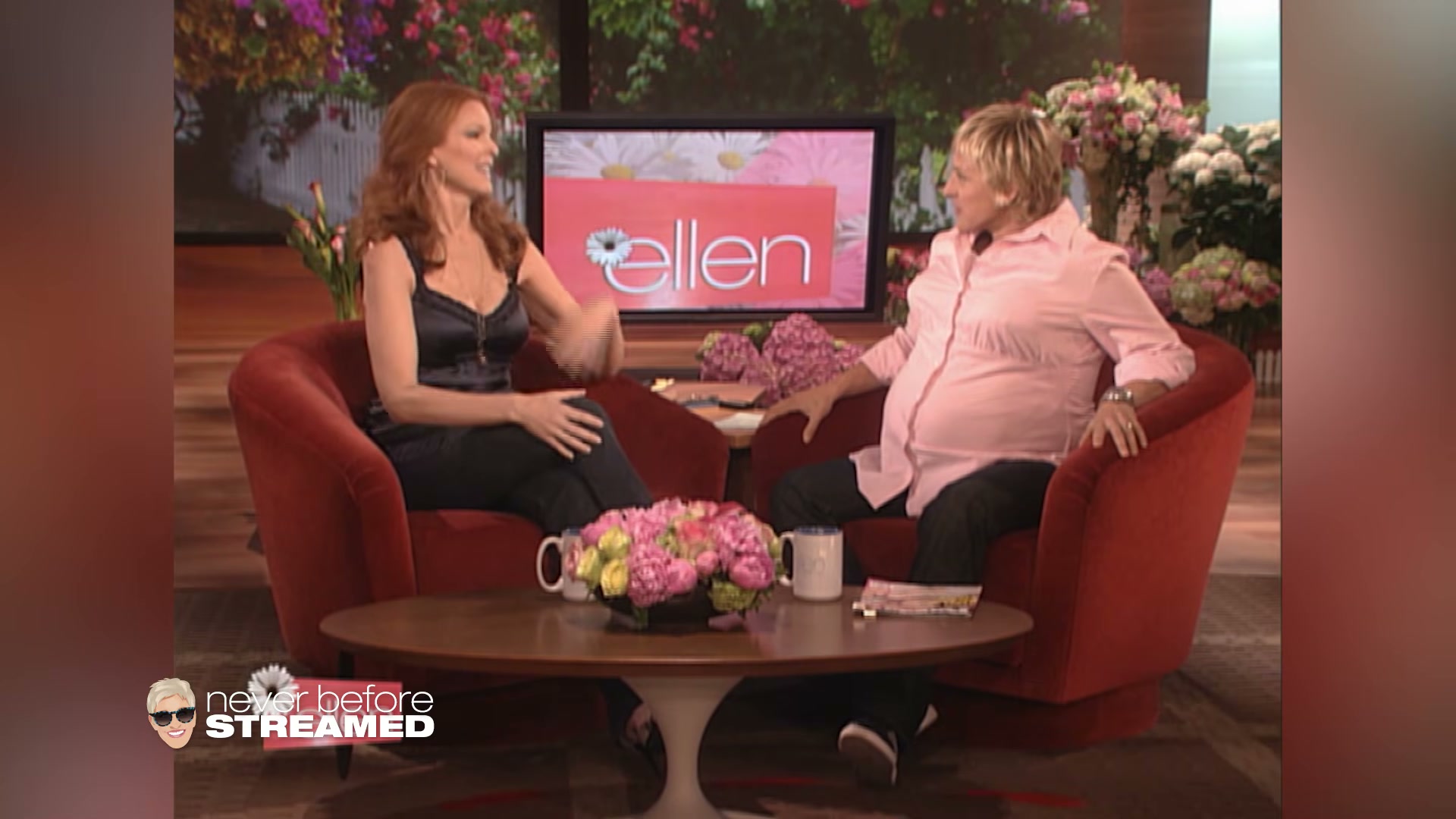
Her entrance and early monologue are designed to make the audience feel seen, not just entertained. Wearing a fake pregnancy belly, she turns the physical realities of pregnancy into playful material, joking about cravings, swollen ankles, constant bathroom needs, and the many small discomforts that can become part of daily life for expectant mothers.
The humor works because it is broad and affectionate rather than mean spirited, inviting the audience to laugh at shared experiences instead of treating pregnancy as a punchline from the outside. By exaggerating symptoms and pretending to adjust to her temporary belly, Ellen uses physical comedy to bridge the gap between performer and audience, acknowledging that the women in the room know far more about the subject than she does.
One of the episode’s strengths is its attention to practical details, which are repeatedly turned into comic bits without losing their usefulness. Bathroom access becomes part of the show’s running humor, with a special monitor introduced to help manage the inevitable traffic from a room full of pregnant guests.
That gag is funny because it grows directly out of the event’s premise, and it also shows how carefully the producers have shaped the episode around the audience’s needs. Snacks, comfort, seating, and readiness for unexpected developments all become part of the entertainment, making the studio feel less like a standard television set and more like an oversized party planned for a very specific group.
The mention of a medic on standby adds another layer of playful tension, especially when Ellen jokes about the possibility of someone going into labor during the taping. The line has the feel of classic television showmanship, turning a practical precaution into a sweeps-worthy possibility while still reassuring the audience that the situation is under control.
The “ready to pop” section reinforces that sense of organized chaos, drawing attention to guests who are especially close to their due dates. It gives the audience another reason to react loudly, and it allows the show to create suspense from real life milestones without pushing the tone into anything too serious.
Throughout the opening, the audience is not passive background noise but an essential part of the episode’s structure. Their laughter, cheers, and visible excitement help sell the idea that the show is both a comedy hour and a communal celebration, with each reaction making the baby shower concept feel larger.
The giveaways are also central to the mood, because the promise of gifts gives the event a party atmosphere and matches the practical concerns of new parenthood. While the comedy provides the entertainment engine, the giveaways provide emotional payoff, especially for first-time mothers who may be thinking about nurseries, strollers, diapers, and all the other details that accompany a new baby.
That balance between jokes and generosity is a familiar part of Ellen’s daytime formula, but the pregnancy theme gives it a more focused emotional charge. Each gift feels tied to the audience’s immediate future, so the excitement in the room carries both the thrill of surprise and the relief of receiving something useful.
The celebrity interviews continue the theme by bringing motherhood into the conversation from different angles. Marcia Cross appears as both a television star and a new mother, sharing the experience of having three-month-old twins while also discussing her ongoing work and public life.
Her segment adds a personal dimension to the episode because she is not merely promoting a project; she is speaking from within the same broader life stage being celebrated in the room. Photos of her twins help make the conversation intimate, and the audience’s response suggests that the subject resonates beyond the normal fan interest in a celebrity guest.
Cross’s discussion of motherhood naturally intersects with talk about “Desperate Housewives,” giving the interview a balance between personal update and entertainment news. That balance is important because it keeps the episode from becoming purely promotional while still honoring the format of a daytime talk show, where celebrity appearances usually include both private anecdotes and career updates.
The contrast between glamorous television work and the demanding reality of caring for infants gives her appearance a relatable quality. Even though her circumstances differ from those of many viewers, the themes of exhaustion, adjustment, affection, and surprise are familiar to anyone entering parenthood.
Bryce Dallas Howard’s appearance extends the same pattern, connecting a major film release with her own experience as a new mother. She discusses “Spider-Man 3,” but the episode’s larger framework encourages the conversation to move beyond the film and into the changes that come with having a baby.
Her presence also broadens the show’s generational and professional range, showing another performer navigating career momentum while adjusting to motherhood. In a studio filled with expectant mothers, those reflections land differently than they might in a standard episode, because the audience is preparing to enter the same emotional territory.
The interviews are not presented as heavy explorations of parenting, and the episode never loses its buoyant daytime rhythm. Still, the conversations offer enough sincerity to keep the event from feeling like a string of jokes and prizes, allowing celebrity motherhood to function as a mirror for the audience’s own anticipation.

Ellen’s role is to keep all of these elements moving, shifting from monologue to audience interaction to interview with the easy control of a host who understands the value of pacing. She repeatedly returns to the audience, making them feel like the true guests of honor even when well-known performers take the stage.
The fake belly is especially effective as a visual anchor for the hour, because it turns the host herself into part of the theme. It is silly and obvious, but that obviousness is the point, allowing the audience to respond immediately to physical gestures, exaggerated discomfort, and spontaneous reactions.
The show’s comedy is strongest when it grows out of recognizable details rather than abstract observations. Cravings, aches, bathroom breaks, and the unpredictability of late pregnancy are ordinary subjects, but in a room full of people living them, they become collective shorthand.
That collective recognition gives the episode a warm sense of inclusion, as if the entire audience is in on the joke before the punchline arrives. Ellen’s delivery depends on that relationship, and the crowd’s enthusiastic responses suggest that they enjoy being both the subject and the co-creators of the humor.
At the same time, the episode carefully avoids becoming too sentimental, even though the setting could easily invite a more emotional approach. It treats pregnancy as exciting, uncomfortable, funny, inconvenient, and joyful all at once, which makes the celebration feel more grounded than a simple tribute would.
The production also understands the visual appeal of the concept, filling the studio with a crowd united by a shared milestone. On television, that image communicates the premise instantly, and it gives every audience shot more narrative value than usual.
By designing an episode around first-time expectant mothers, the show taps into a moment of life that is both deeply personal and widely understood. Viewers at home do not need to be pregnant to understand the excitement in the room, but those who have experienced pregnancy or supported someone through it may recognize the details with particular clarity.
The result is an episode that feels more event driven than a standard celebrity hour, even though it still includes familiar talk show ingredients. The monologue, audience bits, giveaways, and interviews are all recognizable pieces, but the baby shower frame gives them a shared purpose.
In that sense, the episode succeeds because it knows exactly what it wants to be: a lively, generous, pregnancy-themed celebration with enough star power to broaden its appeal. It uses comedy to acknowledge discomfort, gifts to create excitement, and celebrity stories to connect personal experience with public entertainment.
The strongest impression is of a host and production team tailoring every segment to the people in the room. By the end, the episode feels less like a conventional broadcast and more like a televised party, one built around anticipation, laughter, and the life-changing arrival that every audience member is waiting to meet.