
The short tribute presents Whitney Houston not merely as a celebrated singer, but as a cultural presence whose emotional force still feels immediate. Built around a dramatic reference to “I Have Nothing” and the era of The Bodyguard, the clip uses brevity to sharpen nostalgia rather than dilute it.
Its title frames Houston as an “unerasable legend,” a phrase that captures both fan devotion and the durability of her artistic image. Even in a compressed social media format, the tribute depends on a widely shared memory of her voice as something grand, vulnerable, and unmistakably cinematic.
The excerpt centers on the emotional world of one of Houston’s signature ballads, a song defined by longing, fear, and romantic intensity. Rather than needing a full performance, the clip relies on recognition, allowing a few moments to summon the larger drama attached to the song.
That approach reflects how short-form video often functions as a cultural trigger, inviting viewers to complete the experience from memory. Fans who know the recording, the film, or Houston’s live interpretations can hear more than the clip provides because the performance already lives in popular imagination.
The emotional tone is urgent and pleading, shaped by the idea of someone confronting the possibility of abandonment. The song’s dramatic center is not casual heartbreak, but a sweeping declaration of dependence, devotion, and fear of losing the person who gives life meaning.
Houston’s artistry was uniquely suited to that kind of emotional architecture because she could move from softness to overwhelming power without losing clarity. Her delivery made vulnerability sound dignified, and it made vocal grandeur feel like a natural extension of feeling rather than a technical display.
The tribute’s connection to The Bodyguard matters because that film helped place Houston at the intersection of pop music, cinema, romance, and global celebrity. The soundtrack did more than produce hits; it created a cultural moment in which her voice became inseparable from images of glamour, danger, intimacy, and emotional risk.
References to Kevin Costner and the film’s legacy in the surrounding tags point to the continuing appeal of that era. For many viewers, The Bodyguard remains a shorthand for a particular kind of 1990s melodrama, where music and screen performance fused into a shared romantic mythology.
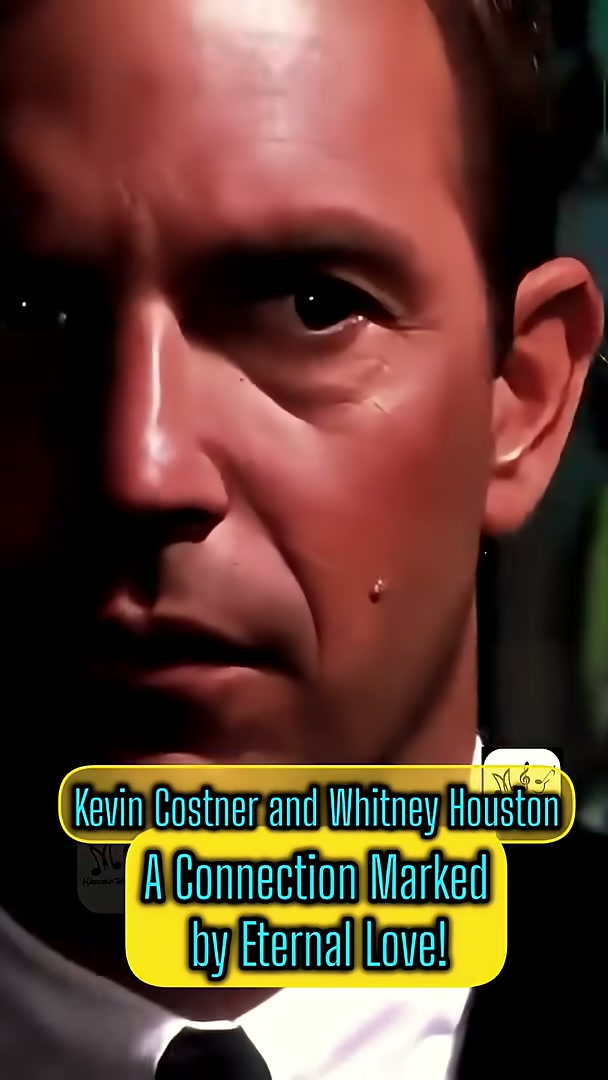
Still, the clip’s real subject is not simply nostalgia for a movie or a famous soundtrack. It is the way Houston could make a song feel like a scene, turning each phrase into a gesture, a confession, or a moment of dramatic confrontation.
That is why “I Have Nothing” remains central to discussions of her legacy, alongside other defining recordings from the same period. The song demands technical control, emotional stamina, and a sense of theatrical timing, all qualities that Houston brought together with unusual ease.
Her performance style often balanced precision and abandon, creating the impression of emotion pushing against the limits of structure. She could honor the melody while also making listeners feel that the feeling behind it was too large to be contained.
The tribute captures that memory by emphasizing intensity over context, choosing a concentrated emotional fragment instead of a biographical overview. This is a common strategy in fan-driven remembrance, where a brief clip can operate like a candle lit for an artist whose presence still feels personal.
At the same time, such short tributes can simplify a complex legacy, reducing a vast career to one instantly recognizable mood. Houston was not only a singer of heartbreak ballads; she was also a pop innovator, a gospel-rooted vocalist, a film star, and a performer whose influence extended across genres and generations.
Yet the simplicity of the clip is also part of its power, because tribute videos often aim for feeling before analysis. Viewers are not asked to reconsider every chapter of Houston’s career, but to pause inside one familiar emotional current and remember why it still moves them.
The phrase “emotional power” is especially fitting because Houston’s reputation rests on more than vocal volume or range. Her greatness came from the way she could make technical mastery serve emotional communication, allowing even the most demanding passages to sound purposeful rather than ornamental.
That quality helped her reach audiences far beyond the usual boundaries of pop fandom. Listeners who may not study vocal technique can still recognize the authority in her phrasing, the clean force of her tone, and the sense that every climactic moment has been earned.
The tribute’s appeal also depends on the communal nature of remembering Houston online. Hashtags connected to her name, The Bodyguard, short-form platforms, and fan nostalgia turn the clip into part of a larger digital conversation about artists who remain emotionally present after their passing.

In that sense, the video is less a discovery tool than a ritual of recognition. It invites longtime admirers to reaffirm what they already know, while giving younger viewers a quick entry point into a performance tradition that continues to shape contemporary singers.
Many modern vocalists still measure themselves against Houston’s example, especially when approaching songs that require both power and restraint. Her influence can be heard not only in runs and climaxes, but in the expectation that a pop ballad should carry narrative weight and emotional consequence.
The Bodyguard era amplified that expectation because it placed Houston’s voice inside a story of romance, fear, fame, and sacrifice. The songs did not simply accompany the film’s emotional world; they expanded it, giving audiences a soundtrack for feelings larger than the screen itself.
The tribute’s dramatic framing also reminds viewers how rare it is for a performer to dominate both a soundtrack and the public memory of a film. Houston’s presence made the music feel central to the story, and the story helped turn the music into a lasting cultural emblem.
Balanced appreciation requires acknowledging that online clips can never fully capture the scale of her artistry. A few seconds can evoke the legend, but they cannot contain the discipline, history, gospel foundation, studio craft, live performance command, and industry impact behind that legend.
Even so, short tributes have value because they keep cultural memory active in spaces where attention is brief and competition is constant. When a fragment of Houston’s music still stops viewers, it demonstrates that her artistry remains strong enough to survive changes in format, platform, and listening habits.
The tribute ultimately succeeds because it understands what fans continue to seek from Houston’s legacy. They return not only for nostalgia, but for the sensation of hearing feeling made majestic, precise, and human at the same time.
Calling her “unerasable” may sound like fan language, but it reflects a measurable truth about her place in popular culture. Her recordings, film associations, vocal influence, and emotional imprint continue to circulate, proving that some performances become part of the shared vocabulary of love and loss.
This short homage therefore works as both a reminder and an invitation. It reminds longtime listeners of a voice that once defined an era, and it invites new audiences to understand why that voice still echoes with such force.