
The episode begins as a familiar parenting crisis, with a household overwhelmed by noise, defiance, and exhausted adults trying to regain control. What first appears to be a story about discipline soon becomes a wider examination of boundaries, emotional distance, and trust inside a struggling marriage.
The Brown family of Moundville, Alabama, is introduced as loving but deeply strained, with parents Michael and Angela unsure how to manage the daily demands of raising their two young sons. Their home is full of affection, but it is also marked by shouting, resistance, inconsistent discipline, and a pattern in which the children often appear to set the tone.
Angela describes herself as the parent who usually has to enforce the rules, and her frustration is visible from the start. She seems tired not only from the children’s behavior, but from feeling that she carries the weight of structure and correction largely on her own.
Michael presents a different challenge, admitting that he often wants to be seen as a friend to the boys rather than as an authority figure. That desire may come from love, but in practice it leaves Angela isolated and gives the children mixed messages about who is in charge.
The boys, Michael Jo and Paul Mason, are shown testing limits in ways that quickly disrupt the household. They ignore instructions, hit, throw toys, resist transitions, and respond to parental direction with the confidence of children who have learned that consequences are uncertain.
Jo Frost’s arrival brings an outside eye to the family’s routines, and her observations quickly confirm that the problem is not simply energetic children. She sees parents who want a calmer home but have not established consistent expectations, predictable consequences, or a united approach.
The episode makes clear that the children’s behavior is not being framed as bad character, but as a response to the environment around them. When boundaries shift from moment to moment, children often push harder, and the Browns’ sons have learned to keep testing because the adults do not always respond together.
Angela’s anxiety becomes one of the most important emotional threads in the episode. She wants help with the children, but she also wants reassurance from her husband, and those needs become harder to separate as the intervention continues.
One of the most striking symbols of the family’s blurred boundaries is the so-called “super bed,” a large shared sleeping arrangement created by combining beds so everyone can sleep together. What might have begun as a comforting solution has become a nightly routine that prevents the parents from having private space and keeps the children dependent on constant closeness.
Jo approaches the sleeping arrangement not as a simple oddity, but as evidence of a deeper family pattern. The parents have allowed the children’s needs to overtake the structure of the home, and the absence of adult boundaries has affected both parenting and the marital relationship.
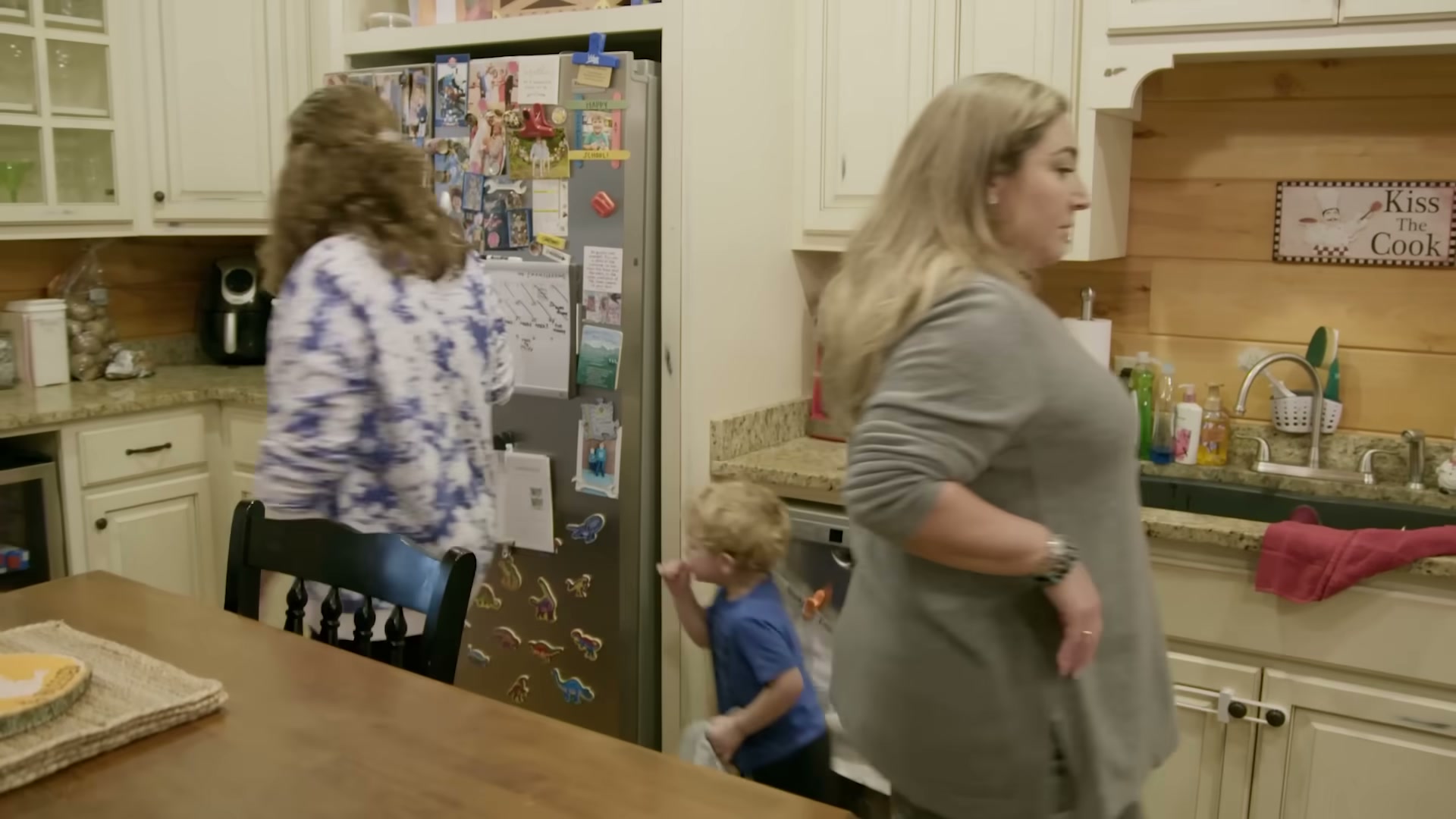
For Angela, the shared bed appears connected to comfort, attachment, and perhaps a desire to keep the family close during a period of insecurity. For Michael, it reflects a broader reluctance to step into firm leadership, because changing the routine would require him to tolerate conflict and support Angela through the children’s resistance.
As Jo pushes the parents to look honestly at the household, the conversation begins to move beyond toys, tantrums, and bedtime. The deeper issue becomes whether the adults can trust each other enough to lead the family together.
The marital tension surfaces through Angela’s hurt over Michael’s past behavior, including contact with another woman and the discovery of a burner phone. The episode treats this revelation as a serious breach of trust, not as a sensational detour, because it directly affects the emotional climate in which the children are being raised.
Angela’s need for affection and reassurance is presented as more than personal insecurity. In the context of past betrayal concerns, her anxiety becomes understandable, especially when she is also feeling unsupported in the day-to-day work of parenting.
Michael is not portrayed simply as a villain, but as a husband and father being asked to face the consequences of avoidance. His reluctance to discipline, his desire to be liked, and the unresolved questions around trust all point to a pattern of stepping back when situations become uncomfortable.
Jo’s role is to make that avoidance impossible to ignore. She challenges both parents to recognize that children need consistency, and spouses need honesty, because neither a calm home nor a repaired relationship can be built on denial.
The discipline work remains central, even as the marital issues take on greater emotional weight. Jo encourages clearer rules, calmer follow-through, and a shift away from reactive frustration toward deliberate parenting that teaches the children what is expected.
For Angela, this means learning not to parent from panic or resentment, even when she feels alone. For Michael, it means accepting that love is not measured by permissiveness, and that being a present father requires setting limits even when the children protest.
The episode also highlights how quickly children detect division between adults. When one parent enforces rules and the other softens or withdraws, children often gravitate toward the path of least resistance, which increases conflict and leaves the stricter parent looking like the enemy.
By addressing the sleeping arrangement, Jo gives the family a practical starting point for restoring order. Moving the children toward independent sleep is not just about bedtime, but about reestablishing the parents as the leaders of the household and giving the marriage room to breathe.
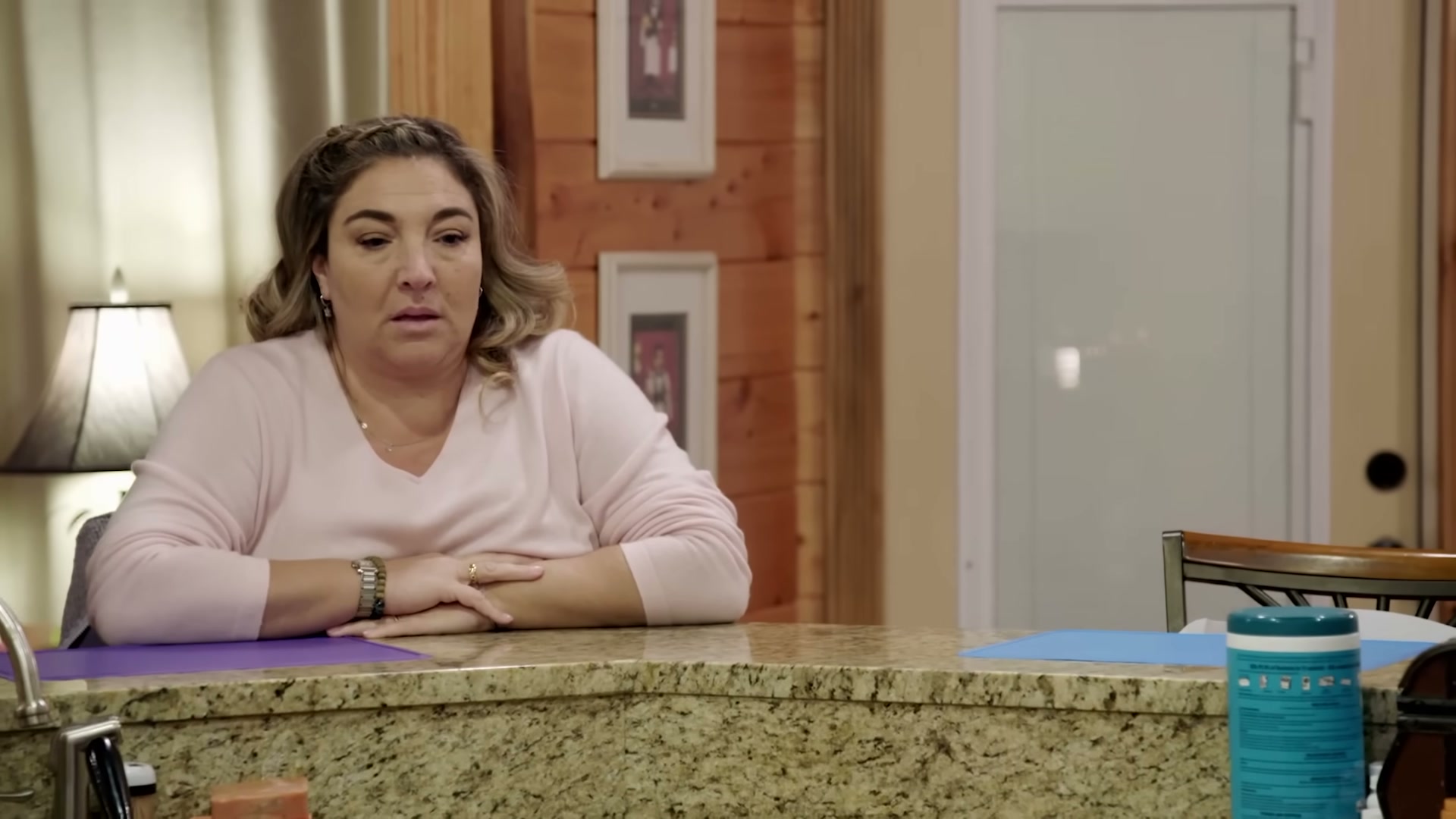
That process is naturally difficult, because children who are used to constant access do not surrender it easily. The Browns must learn that discomfort during change does not mean the change is wrong, and that temporary tears can be part of building healthier routines.
The emotional stakes rise because Angela is not only trying to change her children’s behavior, but also deciding whether she can feel safe with Michael again. Her questions about the burner phone and past contact with another woman bring the episode into the territory of accountability, where apologies alone are not enough.
Trust, as the episode suggests, is rebuilt through consistent actions over time. Michael must show that he can be transparent, emotionally available, and dependable, not only when confronted by Jo, but in ordinary moments when no one is watching.
The intervention is most effective when it connects parenting and partnership rather than treating them as separate problems. A household cannot have stable rules for children if the adults are emotionally disconnected, and a marriage cannot heal if daily family stress keeps reopening old wounds.
Angela’s vulnerability gives the episode much of its power. She is shown as a mother who loves her children fiercely, but who has reached a point where exhaustion, fear, and disappointment have made it hard to parent with calm authority.
Michael’s challenge is equally important, because he must move from passive affection to active responsibility. Being liked by the children may feel easier in the moment, but the episode argues that real parental love includes guidance, firmness, and the courage to disappoint them when necessary.
Jo’s intervention does not promise an instant transformation, and that is part of what makes the story feel grounded. The Browns are not handed a perfect ending, but they are pushed toward a more honest understanding of what must change.
The episode ultimately presents chaos as a symptom rather than the root problem. The hitting, throwing, defiance, and bedtime struggles all matter, but they are tied to bigger questions about structure, emotional safety, and whether the adults can operate as a united team.
By the end, the family’s path forward depends on two forms of accountability. The parents must provide consistent boundaries for their children, and they must also confront the unresolved pain that has weakened their bond.
What makes this intervention memorable is the way it expands from parenting advice into a broader family reckoning. It shows that restoring order in a home often requires more than new rules, because children thrive best when the adults guiding them are honest, steady, and willing to change.