
The short-form clip revisits Tom Jones’ 1968 hit “Delilah” as more than a nostalgic blast from the pop past. It presents the performance as a dramatic moment where a rousing melody, theatrical vocals, and a troubling story collide.
At first glance, the song can feel like a classic singalong, built for big choruses and instant recognition. Beneath that familiar surface, however, the lyric traces a darker emotional path shaped by jealousy, obsession, betrayal, and irreversible consequence.
That contrast is central to why the performance still attracts attention decades later. The music invites participation, while the story asks listeners to confront the discomfort hidden inside a song many remember primarily for its sweep and power.
Jones’ delivery is the engine of the clip’s drama. His voice moves with force and precision, turning each phrase into part of a larger emotional confession rather than a simple pop refrain.
The performance style is unmistakably theatrical, but it does not feel detached or decorative. He sings as though the narrator is unraveling in real time, using volume, pacing, and emphasis to heighten the sense of emotional collapse.
This is one reason the song has endured as a performance piece. It gives a singer room to act, to build tension, and to make the audience feel the distance between public spectacle and private turmoil.
The arrangement also plays a major role in that effect. Its bold, memorable structure can make the song feel triumphant, even as the lyric moves through suspicion and despair.
That musical brightness creates a complicated listening experience. Viewers may find themselves drawn in by the energy of the performance before fully registering the grimness of the narrative it carries.
In a short clip, that tension becomes even sharper. Without a full introduction or extended context, the viewer is dropped directly into a heightened emotional world where melody and confession seem inseparable.
The title’s framing, which emphasizes love turning tragic, points toward the key interpretive question. Is this simply a vintage pop performance, or is it also a reminder of how popular songs can normalize or disguise disturbing emotional stories?
A balanced reading has to acknowledge both sides. “Delilah” remains a landmark of dramatic pop craft, but its narrative also reflects a kind of possessive romantic thinking that modern audiences are more likely to question.
That does not mean the song must be erased from discussion or performance. It does mean that revisiting it today can involve more than nostalgia, especially when the lyric’s darker implications are placed in the foreground.

Jones’ vocal command helps explain why the song became so strongly associated with spectacle. He does not underplay the material, instead leaning into its operatic scale and allowing the performance to feel almost cinematic.
His phrasing gives the story momentum, moving from wounded observation toward anger and confession. Even when the clip is brief, the emotional arc is clear enough to suggest a full dramatic scene compressed into a pop format.
The result is a performance that feels both controlled and volatile. The singer’s technique remains polished, yet the character of the song seems increasingly consumed by emotion.
For viewers discovering the clip through social platforms, the experience may be shaped by surprise. A song that sounds familiar, festive, or even communal can reveal itself as far more unsettling when its words are heard closely.
For older listeners, the reaction may be more layered. Recognition and affection for a classic recording can sit alongside a new awareness of how differently audiences now respond to stories of obsession and harm.
That generational shift is part of what makes the clip journalistically interesting. It is not only a music-history artifact, but also a case study in how cultural memory changes when familiar entertainment is reconsidered.
The hashtags attached to the video suggest a nostalgia-driven frame, connecting the clip to classic songs and short-form music discovery. Yet the title directs attention away from simple celebration and toward the tragic turn embedded in the song.
This dual framing reflects how many vintage performances circulate online today. They are shared for pleasure, memory, and admiration, but they also invite renewed scrutiny from viewers listening with contemporary expectations.
The performance’s power lies partly in its refusal to be emotionally neutral. Every musical choice pushes the story toward intensity, making the song feel less like background entertainment and more like a public confession staged under bright lights.
That intensity can be thrilling as performance while remaining uncomfortable as narrative. The clip’s impact depends on that contradiction, because the audience is asked to respond to vocal brilliance and moral unease at the same time.
The song also demonstrates how pop music can use dramatic storytelling to create immediate impact. Instead of presenting romance as tender or idealized, it explores a distorted emotional state that ends in tragedy.
Handled carelessly, such a story could become sensational. In this performance, the strongest impression is not glamour but escalation, with the singer’s delivery emphasizing the danger of emotions that have lost proportion and restraint.
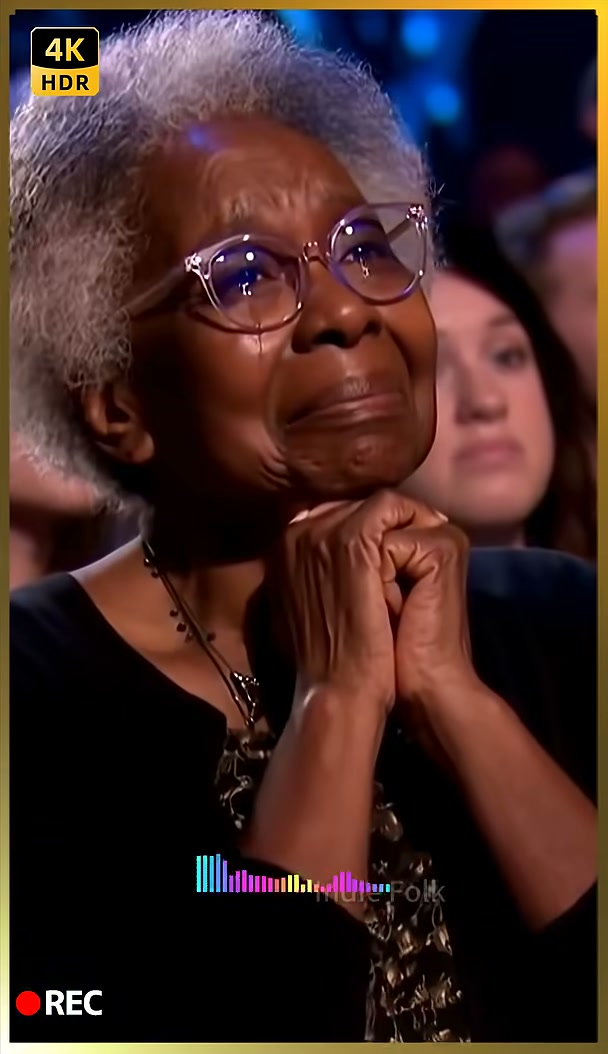
Still, the memorable chorus and bold arrangement complicate the message. A crowd can sing along without dwelling on the narrative, which is exactly why renewed attention to the lyric can feel startling.
That gap between communal enjoyment and lyrical discomfort has followed many older songs into the present. As listeners revisit them, they often find that musical memory and moral interpretation do not always move in the same direction.
The clip’s short format adds another modern layer. Platforms built for quick consumption can turn a decades-old performance into a fresh moment of debate, discovery, and recontextualization.
In that environment, a powerful vocal excerpt can travel widely on its own. Viewers may arrive for a famous voice or a familiar hook, then stay because the emotional story feels more complicated than expected.
From a performance standpoint, Jones shows why he became one of pop’s most commanding interpreters. He combines strength with showmanship, projecting the song’s drama without letting the vocal line lose its clarity.
That clarity matters because the story depends on progression. The listener has to sense the movement from hurt to suspicion to emotional breaking point, even when the clip offers only a concentrated glimpse.
The performance also reflects a late 1960s appetite for big, cinematic pop. Songs could borrow from theatre, balladry, and melodrama, giving radio hits a scale that felt larger than everyday romance.
“Delilah” fits that tradition while also standing apart because of its unsettling subject. Its popularity shows how easily dark narratives can become embedded in mass entertainment when paired with an unforgettable melody.
Today, the song’s legacy is therefore mixed but significant. It remains a showcase for vocal power and dramatic arrangement, while also serving as a reminder that familiar classics can carry stories worth examining carefully.
The best way to approach the clip is neither blind celebration nor simple dismissal. It is more useful to recognize the artistry of the performance while being honest about the troubling emotional world the song depicts.
That balanced response allows the viewer to understand why the clip still works. The voice is commanding, the arrangement is stirring, and the story, however uncomfortable, is shaped with undeniable dramatic force.
Ultimately, the performance endures because it captures a moment when pop music embraced theatrical intensity without apology. In just a short excerpt, it reveals how a song can be catchy, unsettling, nostalgic, and newly provocative all at once.