
A novelty act on America’s Got Talent in 2017 began with the kind of image that could make even seasoned judges pause: a live chicken brought onto one of television’s biggest variety stages. What first looked like a comic setup soon became a surprisingly disciplined performance, as the bird known as Jokgu was introduced as a musician capable of playing “America the Beautiful” on a keyboard.
The moment worked because it leaned fully into disbelief before asking the room to take the act seriously. Judges, audience members, and viewers at home were invited to share the same question: could a chicken really perform a recognizable patriotic tune in front of a national audience?
Handlers Shannon and Seina presented the act with calm confidence, explaining that Jokgu was part of a group called the Flockstars. Their steady tone contrasted with the absurdity of the premise, creating a playful tension between the trainers’ certainty and the judges’ obvious skepticism.
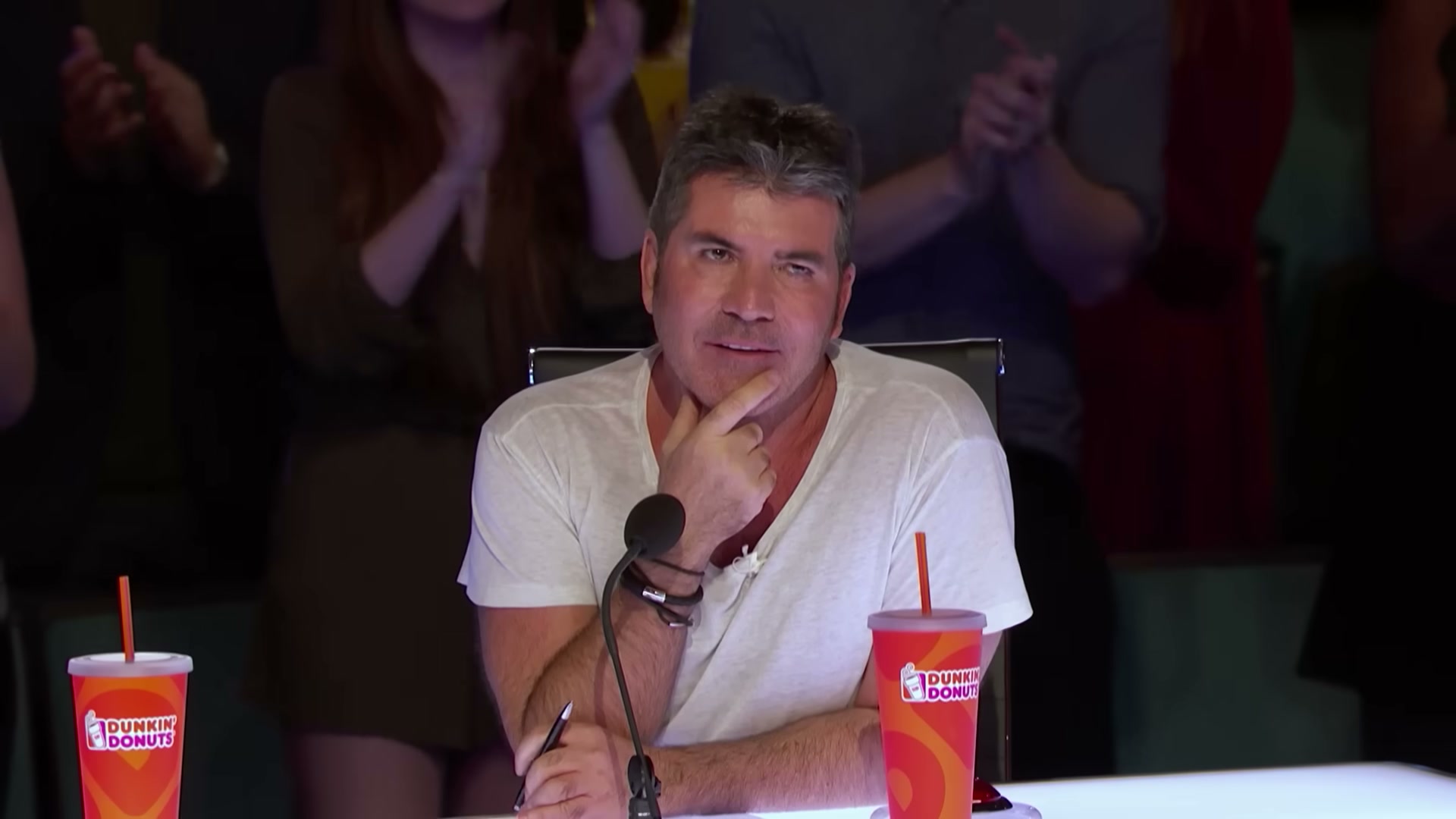
The judges’ reactions helped shape the early comedy of the segment. They looked puzzled, amused, and unconvinced, treating the idea of a chicken keyboard performance as something almost too strange to believe until it happened in front of them.
That skepticism was understandable, because animal acts often depend on timing, cues, and the audience’s willingness to suspend disbelief. In this case, however, the promised routine was specific and measurable: the chicken would peck the notes of “America the Beautiful” on a keyboard.
The setup placed unusual pressure on a very small performer. Unlike a dog running an agility course or a parrot repeating words, Jokgu had to approach the instrument, interact with it in sequence, and produce enough of a melody for the room to recognize the song.
At first, the act appeared as if it might stall. Jokgu hesitated near the keyboard, prompting encouragement from the handlers and heightening the suspense in a way that was both funny and genuinely tense.

That pause became an important part of the performance’s charm. The longer the chicken delayed, the more the room wondered whether the judges’ doubts had been correct, and the more surprising the eventual breakthrough became.
When Jokgu finally moved into position and began pecking the keys, the atmosphere changed immediately. The performance was not a polished concert, but the notes emerged with enough order and intention to make the famous melody clear.
As the tune took shape, laughter turned into astonishment. The audience recognized not only the novelty of the sight, but also the unexpected precision behind it, responding with applause and delighted noise as the bird continued.
The patriotic song choice added another layer to the moment. “America the Beautiful” is familiar, ceremonial, and emotionally resonant, which made hearing it performed by a chicken on a talent show keyboard both ridiculous and oddly endearing.
That contrast was central to the act’s appeal. The performance did not ask the audience to admire technical virtuosity in the traditional sense, but to appreciate training, patience, surprise, and the sheer improbability of the scene.
Shannon and Seina’s role was essential, even though the spotlight naturally belonged to the chicken. Their confidence suggested long hours of patient conditioning, and their encouragement during the hesitant opening helped guide the routine without overwhelming it.
The judges responded in the way talent shows are designed to capture: with visible surprise, laughter, and the sense that they had just witnessed something outside the normal range of stage acts. Their astonishment was not merely about the song, but about seeing an animal perform a task that seemed to defy ordinary expectations.
The clip’s emotional arc was simple but effective. It moved from confusion to doubt, from doubt to suspense, and from suspense to a shared burst of delight when the unlikely performance actually worked.
That structure made the segment more than a disposable gag. Viewers were given a small narrative with stakes, a challenge, a moment of uncertainty, and a payoff that felt earned precisely because so many people expected failure.
The act also fit neatly within the broader tradition of America’s Got Talent, where the stage is open not only to singers, dancers, magicians, and acrobats, but also to eccentric performers with unusual skills. In that context, a chicken playing a keyboard was not just a joke; it was a test of how far the definition of talent could stretch.
Of course, the performance’s appeal rested heavily on novelty. No one was likely to compare the chicken’s playing to a trained pianist, and the entertainment value came from the combination of recognizable music, animal behavior, and comic surprise.
Still, dismissing the routine as only a gimmick would miss what made it memorable. It showcased an unusual bond between trainers and animal, along with a carefully built behavior that translated into a crowd-pleasing stage moment.
The audience’s applause captured the generosity that often drives the best talent show reactions. People were not simply applauding perfect execution; they were applauding the unexpected joy of seeing something they had never imagined.
For the judges, the act became a reminder that surprise can be as powerful as polish. The performance did not arrive with dramatic lighting, emotional backstory, or vocal fireworks, but it still produced a reaction because it overturned expectations so completely.
In a season filled with ambitious performers, Jokgu’s keyboard routine stood out through simplicity and absurdity. A chicken, a keyboard, a patriotic melody, and a room full of doubters were enough to create a viral talent show moment.
The segment endures because it captures a rare kind of televised surprise. What began as comic disbelief ended as genuine applause, proving that on the right stage, even the most unlikely performer can win over a crowd.