
The interview opened with the easy rhythm of late night conversation, but it quickly became more than a celebrity stop or a nostalgic political visit. Through jokes about campaigning, Washington, marriage, and push-ups, the exchange offered a revealing look at how a former president thinks about pressure, public life, and the strange relief of being outside the center of power.
When asked whether he missed campaigning, Barack Obama answered with immediate comic certainty, making clear that the constant performance of political life was not something he longed to reclaim. He joked that getting out of Washington was healthy because the capital could be depressing, a line that drew laughter while also hinting at a deeper weariness with the environment he once had to navigate every day.
That early joke worked because it sounded casual, but it also carried the perspective of someone who had seen political life from its most demanding vantage point. The presidency, as he described it, was not a place where simple problems arrived neatly packaged, because those were usually solved by someone else before they ever reached the Oval Office.
His explanation of presidential decision-making gave the interview its most substantive turn, shifting the room from amusement to reflection. He described a job defined by urgent choices, incomplete information, and consequences large enough to affect millions of people, emphasizing that certainty is often unavailable precisely when responsibility is greatest.
The example he returned to was the economic crisis that greeted him at the start of his administration, when the financial system was under extraordinary strain and the broader economy was in danger. Decisions about business recovery, the auto industry, housing, and jobs were not abstract policy exercises, but immediate tests of judgment under conditions that were changing by the day.
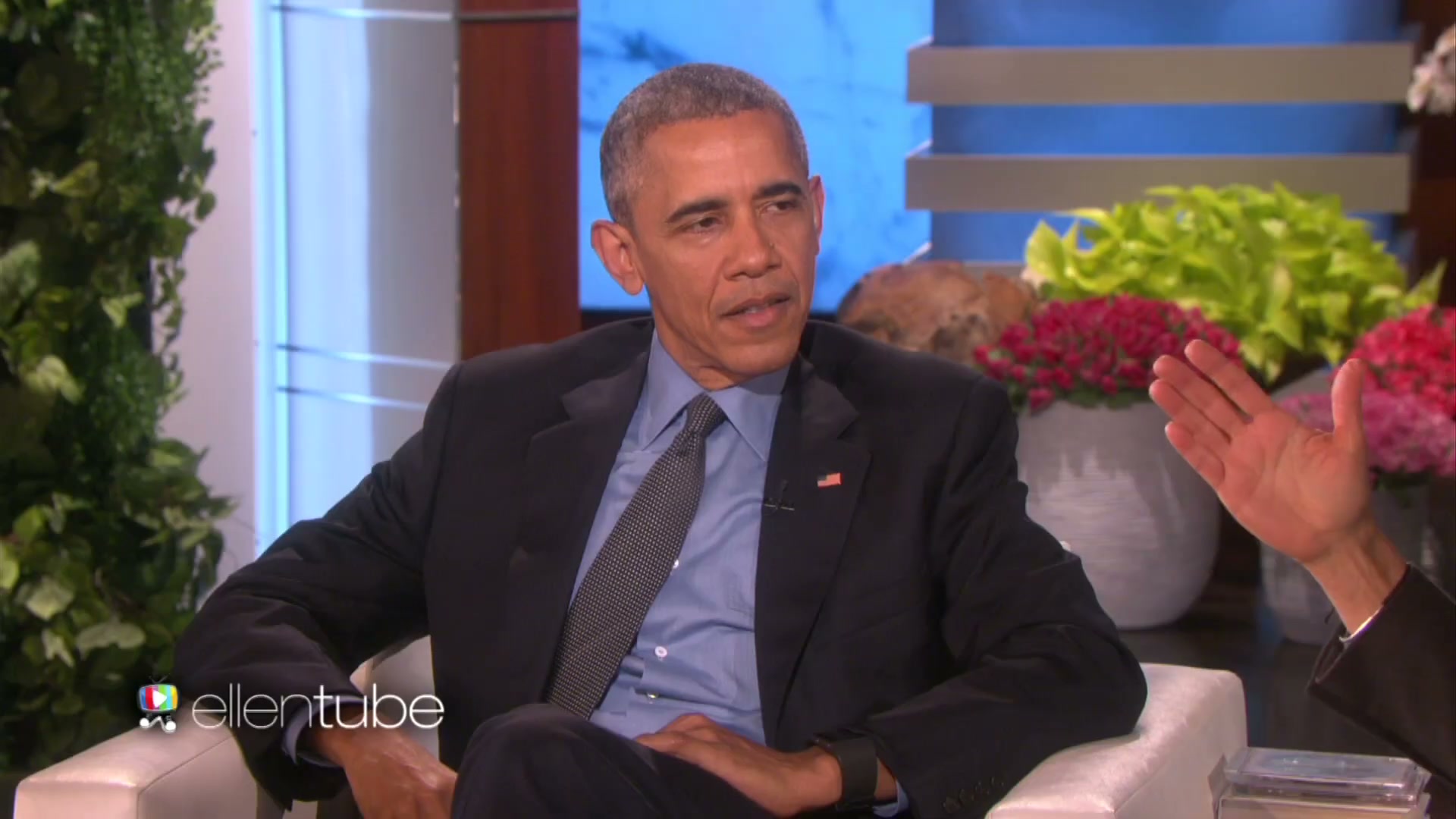
In presenting that period, he avoided making the story sound easy or inevitable, instead stressing the difficulty of acting when every option carried risk. That framing helped explain why former presidents often describe the office less as a throne of power than as a place where unresolved national emergencies are finally brought to one desk.
The conversation then moved into his frustration with the modern information environment, especially the way social media and fragmented news habits can shape public understanding. He argued that many people hold mistaken beliefs about government spending, the deficit, and the basic mechanics of public policy because inaccurate claims travel quickly and often become emotionally persuasive.
This portion of the interview was serious, but it did not feel like a lecture because it grew naturally from the earlier discussion of difficult choices. If presidents must make decisions in a world of incomplete information, citizens now face their own version of that challenge in a media culture crowded with confident voices, partial facts, and viral exaggerations.
The host seemed aware that the discussion had grown heavy and gently steered the tone back toward warmth, humor, and shared human experience. Talk of dancing, fun, and ordinary connection served as a reminder that political figures are often most accessible when they step away from slogans and return to everyday gestures.
That pivot set up the most playful section of the interview, which focused on Michelle Obama and the private comedy of a long marriage lived in public view. Asked about disagreements at home, Obama delivered a well-timed joke that after many years he had learned his wife was always right, a remark that landed because it mixed self-deprecation with affection.
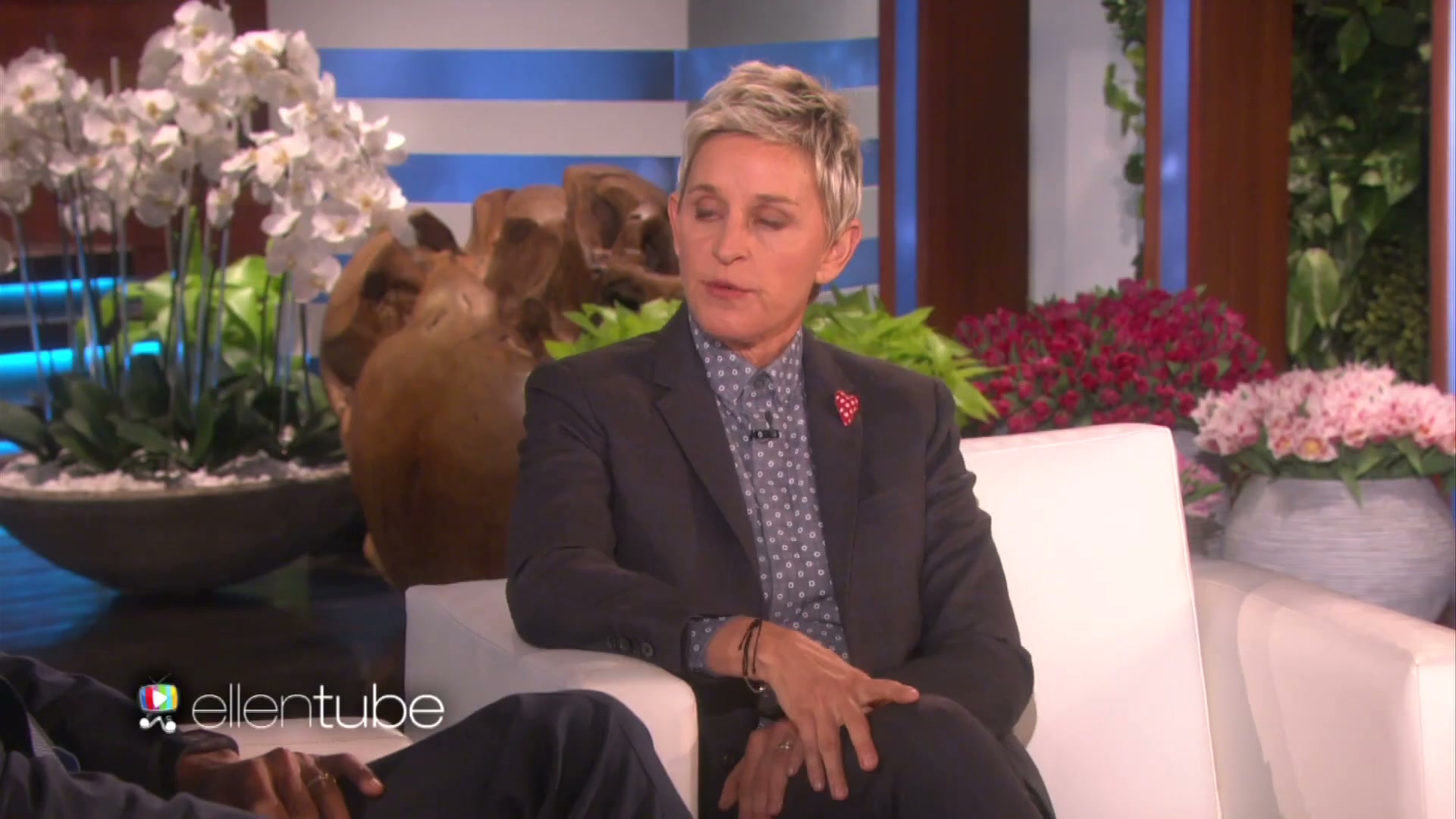
The audience responded strongly to that line, not only because it was funny, but because it punctured the formal image that often surrounds former presidents and first ladies. In a few sentences, the conversation moved from deficits and institutional dysfunction to the universal domestic wisdom of choosing peace over winning every argument.
The humor sharpened again when the subject turned to a push-up challenge involving Michelle, which Obama treated as both a grievance and a performance. He jokingly insisted that she had cheated, turning a small physical contest into a mock controversy and giving the crowd a chance to enjoy his competitive side without any real tension.
That moment worked especially well because it showed how much of the interview depended on contrast. The same guest who had just discussed economic collapse and political misinformation could also commit fully to a comic complaint about push-up rules, making the serious reflections feel more human rather than more remote.
The larger portrait that emerged was of a public figure both relieved and concerned: relieved to be outside the relentless cycle of campaigns and governing, but still concerned about the health of democratic conversation. His jokes about Washington suggested distance, yet his comments about misinformation showed that he remains closely attentive to the forces shaping public trust.
The exchange also showed how humor can make political reflection more approachable without making it shallow. Laughter opened the door, but the substance remained clear: governing is hard, truth is fragile in a noisy media world, and public life is often judged by people who see only the final decision rather than the uncertainty behind it.
In the end, the interview succeeded because it did not force a choice between comedy and seriousness. It allowed both to coexist, presenting a former president who could analyze national crises, express frustration with political distortion, tease his wife with obvious affection, and remind viewers that even the most powerful offices are occupied by people still learning how to laugh at themselves.