
Josh Blue’s latest America’s Got Talent appearance worked because it never treated familiarity as a shortcut. He came back to the stage with the ease of someone who understands both the room and the risks of building a set around personal experience.
From the first moments, Blue made the audience feel included rather than simply addressed. He acknowledged that some viewers might already know him while others could be wondering how he ended up there, turning that tension into an opening joke about expectations.
That self-awareness became the foundation of the performance. Instead of asking for sympathy or relying on sentiment, he used his identity as a physically disabled comedian to frame a routine full of precise timing, quick pivots, and carefully managed surprise.
The early material focused on accessibility, travel, and the ways public spaces signal progress while still creating awkward social moments. Blue joked about noticing more accessible features on the road, then built the observation into a physical bit about feeling almost obligated to use a ramp simply because it was there.
That joke worked not just because of the wording, but because of how he performed it. His pauses, expressions, and movements gave the audience time to anticipate one idea before he redirected them toward another.
The set’s strongest stretches came when Blue transformed everyday discomfort into shared laughter. A dating scenario involving accessibility and manners could have become sentimental or heavy, but he shaped it into a comic reversal about social expectations and how quickly a polite gesture can become complicated.
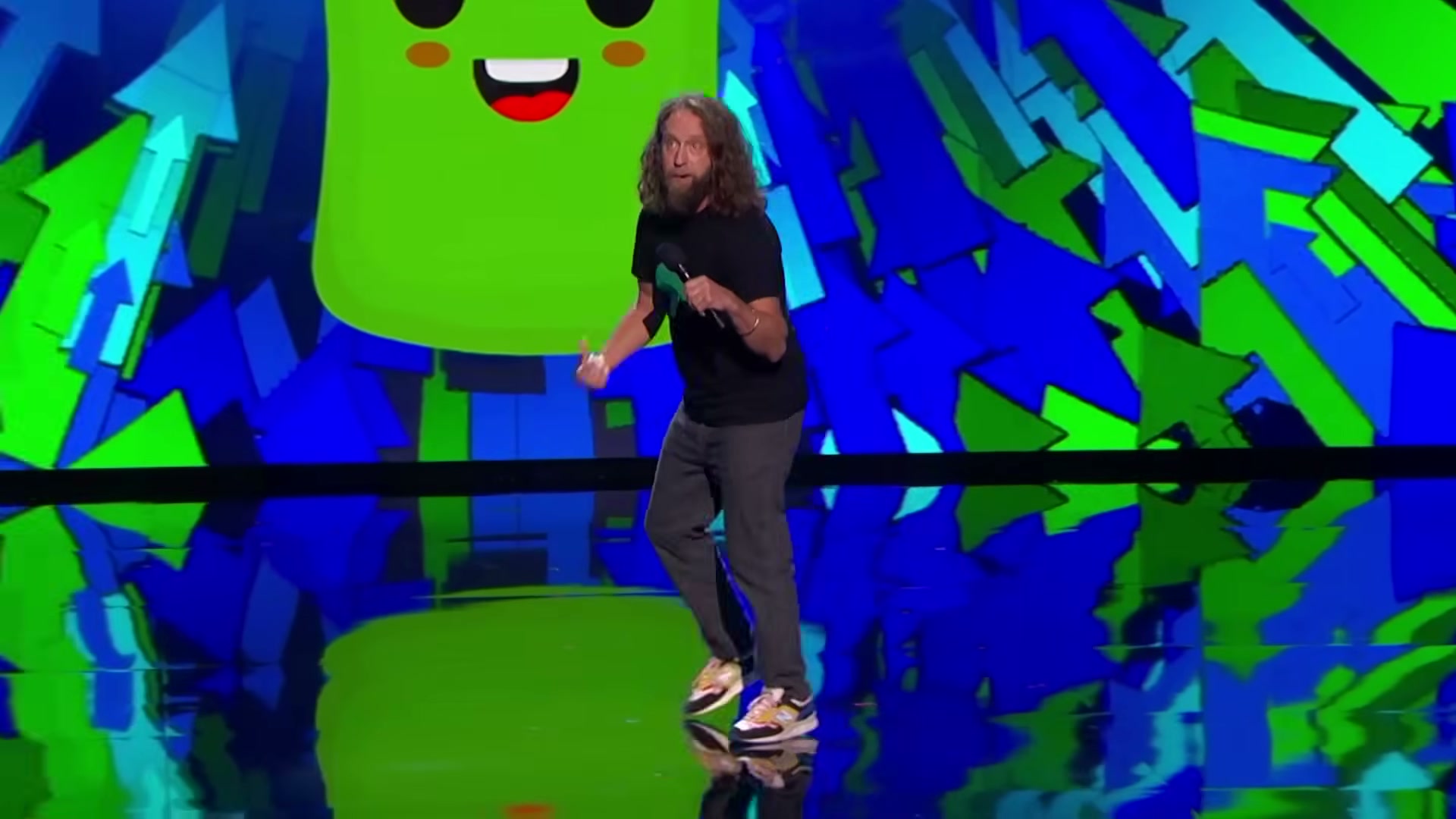
His material repeatedly walked close to difficult subjects without losing control of the tone. The key was that Blue was not speaking about disability from a distance, but from lived experience, which gave the jokes authority while keeping them rooted in perspective rather than provocation.
As the routine widened, he moved from personal stories into broader commentary about how society treats disabled people. He pointed toward the size and diversity of the disabled community, reminding the room that disability is not a narrow category but a human reality that can touch anyone.
That shift gave the performance more weight without turning it into a lecture. Blue kept returning to punchlines, making sure every serious idea had a comic release and every social observation stayed tied to the rhythm of stand-up.
The audience response suggested that balance was effective. Laughter came often, but it was not only the laughter of surprise; it was also the sound of a crowd relaxing into a performer who knew exactly how to guide them through sensitive terrain.
On a show built around spectacle, Blue’s act stood out for being comparatively simple. There were no elaborate props or dramatic production tricks, only a microphone, a stage, and a performer using timing to make the room lean in.
That simplicity also made the craft more visible. Each pause mattered, each change in direction landed with intention, and each expression helped sell the idea that the audience was discovering the joke at the same moment he was.
Blue’s rapport with the judges added another layer to the performance. By the time he aimed a final joke toward Simon Cowell, the room had already accepted the set’s rhythm, which made the closer feel confident rather than forced.

The ending worked because it tied together the routine’s larger point about vulnerability and unpredictability. Blue’s joke suggested that disability is not an abstract subject reserved for other people, and he delivered that idea with the sharpness of a comic who knows how to make a serious truth feel immediate.
What made the set especially effective was its refusal to flatten disability into inspiration. Blue did not ask the audience to admire him for being on stage; he asked them to laugh with him because the material was strong.
That distinction matters on a talent competition, where personal stories can sometimes overshadow the actual performance. Here, the personal story was inseparable from the comedy, but it served the jokes rather than replacing them.
The performance also showed how stand-up can challenge an audience without turning hostile. Blue used humor to expose awkward assumptions, but he did so with enough warmth that the crowd stayed engaged instead of defensive.
His command came from knowing when to soften a line and when to sharpen it. That control allowed him to touch on cruelty, difference, and social discomfort while still delivering a set that felt entertaining first.
By the end, the appearance felt less like a comeback and more like a reminder. Blue remains a performer who can turn personal perspective into broadly accessible comedy, not by smoothing over the hard parts but by finding the unexpected angles inside them.
For America’s Got Talent, the moment offered a different kind of standout act. It was not the loudest or most visually dramatic performance, but it was one of the clearest examples of a comic winning the room through confidence, honesty, and timing.