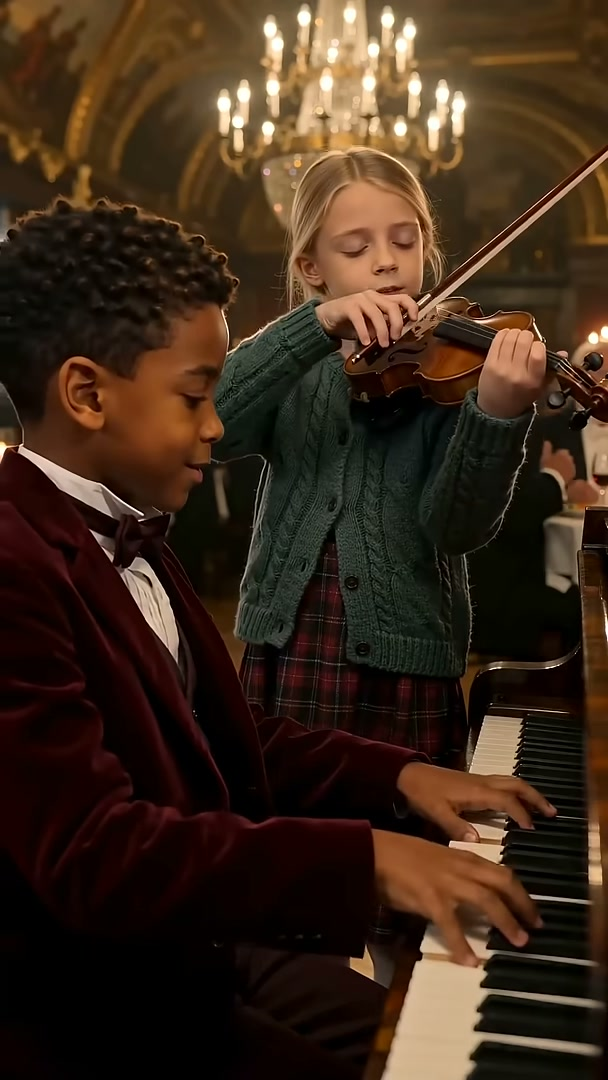
A brief social video built around the familiar melody of Twinkle Twinkle Little Star is drawing warm reactions online, capturing how a hesitant solo attempt quickly became an inviting public duet for its gentle sincerity and its quietly uplifting view of public music. The clip, tagged with music themed labels and a reference to folk soul feeling, presents a simple encounter that turns an ordinary street performance into a small celebration of cooperation.
It opens with a lone player working through the childhood tune alone, an approach suggested by the video title, which frames the moment as something slightly incomplete before another voice enters. Almost immediately, the mood shifts when someone off camera says, Excuse me, then asks, Can we play it together, setting up the collaborative turn that gives the recording its charm for viewers scrolling past countless louder clips in search of something authentic.
That invitation is the emotional center of the video, because it transforms a private performance into a shared experience without fanfare, conflict, or any elaborate staging. Instead, the exchange relies on courtesy and timing, with one participant asking permission, the other agreeing through action, and both moving quickly toward a more confident rendition in scene that feels unscripted and makes the kindness at its center persuasive.
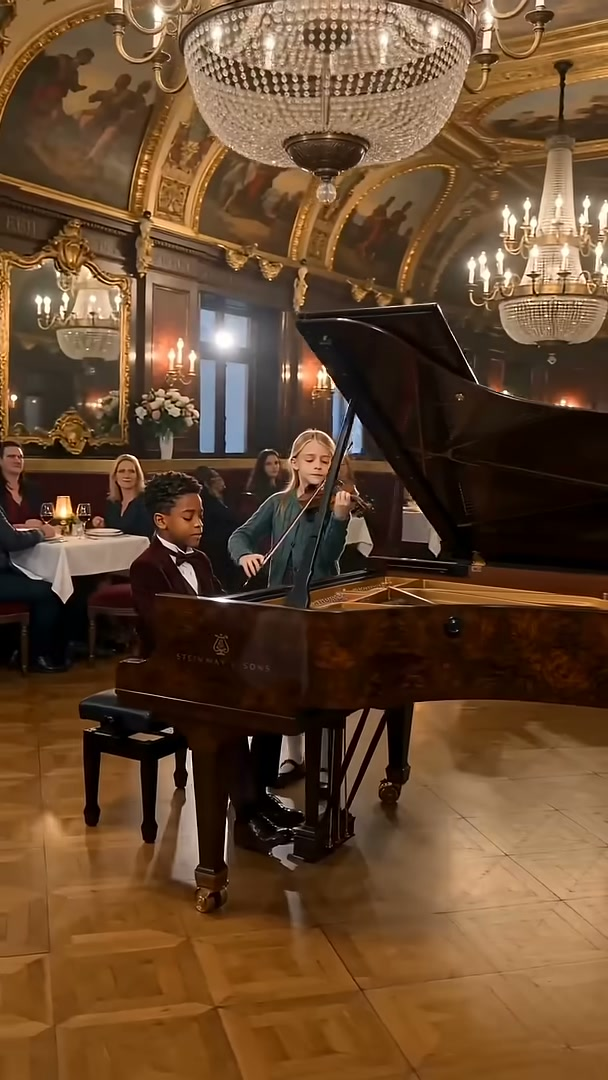
A short instruction follows the request, as the newcomer says, Make it beautiful, a phrase that works both as musical guidance and as a statement about the purpose of playing together, while also hinting that beauty can be a shared decision rather than a fixed rule. Rather than focusing on technique or perfection, the comment emphasizes feeling, suggesting that expression and mutual listening matter more here than technical display.
The next cue is simpler Follow me indicating that one player is ready to lead while the other supports a common dynamic in spontaneous music making as leadership the clip suggests can be offered softly and accepted without bruising anyone’s pride. In the span of a few seconds, the video outlines a full miniature story arc, from isolation to invitation, from uncertainty to structure, and from effort to harmony.
The transcript then captures a final exclamation, Hallelujah, which reads less like a religious declaration than a spontaneous burst of satisfaction at the sound they create. That response underlines the video’s upbeat tone showing that the reward for joining forces is not applause from a crowd but the immediate joy of hearing the tune bloom and in transcript form the moment lands as relieved playful and heartfelt.
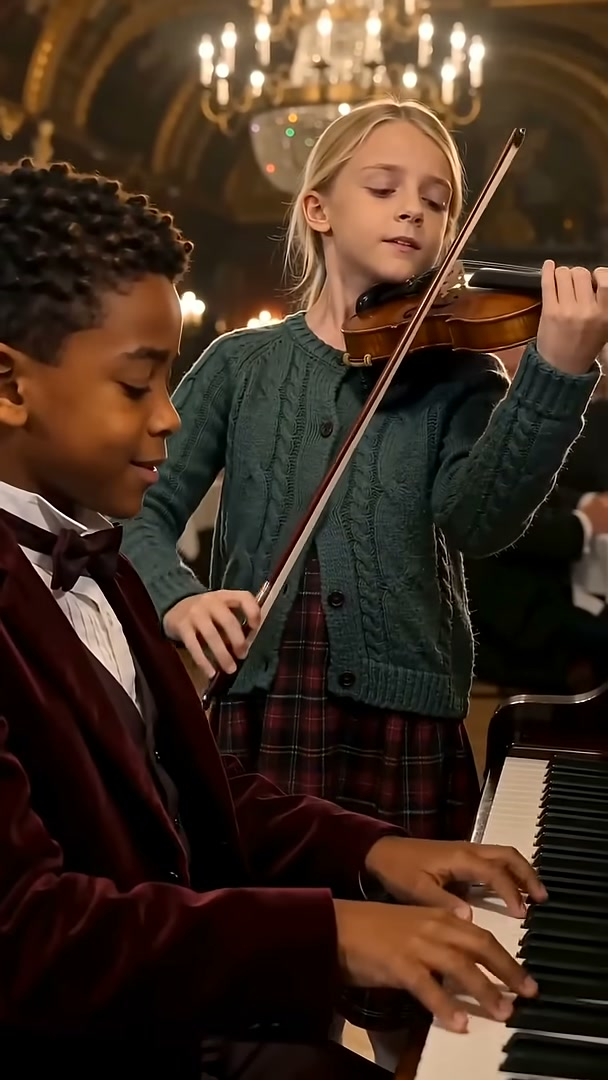
A closing Thank you brings the encounter back to everyday politeness, ending the collaboration with gratitude and reinforcing the sense that the performance was meaningful precisely because it was modest. There is no dramatic reveal, no competition, and no commercial setup visible in the transcript, only a brief human exchange that leaves a lasting impression, a restraint that helps the recording stand out from calculated displays of online charm.
Clips like this often resonate on social platforms because they compress recognizable emotions into a tiny runtime, and this one uses one of the world’s best known melodies to do it, and its simplicity makes the emotional shift legible even with minimal detail available. Twinkle Twinkle Little Star carries instant familiarity across generations, so viewers need very little context to understand why a richer version of the song can feel surprisingly moving.
Although the video offers few concrete details about the performers or location, its appeal lies in what can be clearly heard in the quoted lines and inferred from the setup, making the exchange a clear example of community formed in real time. One person notices another struggling through a tune alone, asks to join, proposes a shared standard of beauty, guides the tempo, celebrates the result, and offers thanks.
In an online landscape often dominated by outrage and spectacle, the video’s quiet success comes from reminding audiences that art can begin with a courteous question and improve through attention. By the time the final words are spoken, the little performance has become more than a casual rendition of a nursery classic, standing instead as a compact lesson in listening.