
The question at the center of this emotional discussion was not whether a child deserves to know where she came from, but when that knowledge should become a relationship. The adoptive mother argued that, for now, allowing contact with the biological mother would risk bringing adult conflict into a young girl’s life before the adults have earned enough trust.
She described her daughter as already aware enough to ask painful and tender questions about her birth mother. One of the hardest, she said, was whether her biological mother loves her, a question the adoptive mother answers with care by saying she believes that love exists.
That answer shows the adoptive mother is not trying to erase the birth mother from the child’s story. Instead, she presented herself as someone trying to manage a complicated truth in a way that protects the child’s emotional security.
Her position was that contact is not permanently impossible, but it cannot happen simply because one adult wants it. She said the decision must be based on the child’s best interests, not on guilt, pressure, public opinion, or unresolved pain between adults.
The host summarized her concern as a belief that the current situation contains too much conflict, instability, and hostility for a healthy reunion. The adoptive mother agreed, explaining that she sees drama around the biological mother that makes her reluctant to open a door into her daughter’s life.
Her biggest fear was not just that a meeting might be emotional or confusing. It was that the biological mother might speak negatively about her, undermine her role, or leave the child feeling pulled between two women both connected to her identity.
That concern became one of the most important points in the exchange. The adoptive mother said that if a child hears criticism of the only mother she has known, it could shake her sense of safety and belonging.
The biological mother strongly rejected the idea that she would harm the child in that way. She said she would never speak badly about the adoptive mother in front of the girl, because doing so would hurt the very child she wants to know.
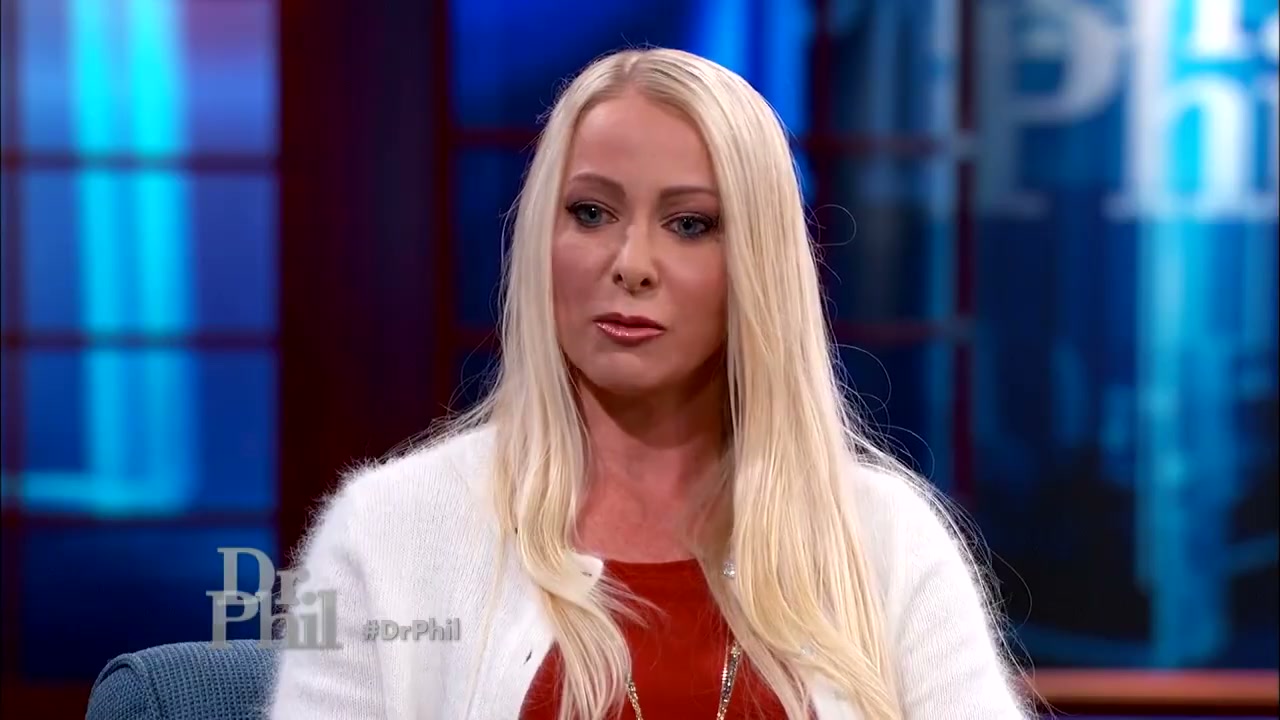
That response exposed the painful gap between intention and trust. The biological mother insisted she knows what would be harmful, while the adoptive mother said the history between them gives her no confidence that respectful boundaries would be honored.
The conversation also turned to online behavior, with the adoptive mother pointing to posts and public comments as evidence of hostility. From her perspective, if a person is attacking her online or encouraging conflict around the family, that person is not ready for sensitive contact with a child.
The biological mother appeared willing to make some concessions, including removing posts that were seen as hurtful or inflammatory. Yet the adoptive mother seemed to view those gestures as only a starting point, not proof that the deeper issues had been resolved.
At times, the discussion shifted from the child’s needs to the pain each woman carried. The host pressed the adoptive mother on whether her refusal was truly about protecting the child, or whether it was also about protecting herself from hurt and resentment.
The adoptive mother did not completely separate those two things. She argued that protecting herself from attacks is also protecting her daughter, because she is the child’s daily parent, emotional anchor, and only mother in practical experience.
That point is important, because adoptive families often depend on stability, consistency, and a clear sense of belonging. If the parent raising the child feels threatened, disrespected, or publicly attacked, the stress can inevitably affect the home environment.
At the same time, the biological mother’s perspective reflects another truth about adoption and family separation. Birth parents may feel grief, regret, longing, and fear that the longer contact is delayed, the harder it will be to build a relationship later.
The emotional weight of the biological mother’s response suggested she did not see herself as an outsider trying to intrude. She saw herself as someone connected to the child by origin and love, asking for the chance to be known rather than permanently judged by past conflict.
Still, wanting contact is not the same as being prepared for it. A child-centered reunion requires more than emotion; it requires maturity, restraint, patience, and an agreement that the child will never be made responsible for adult wounds.
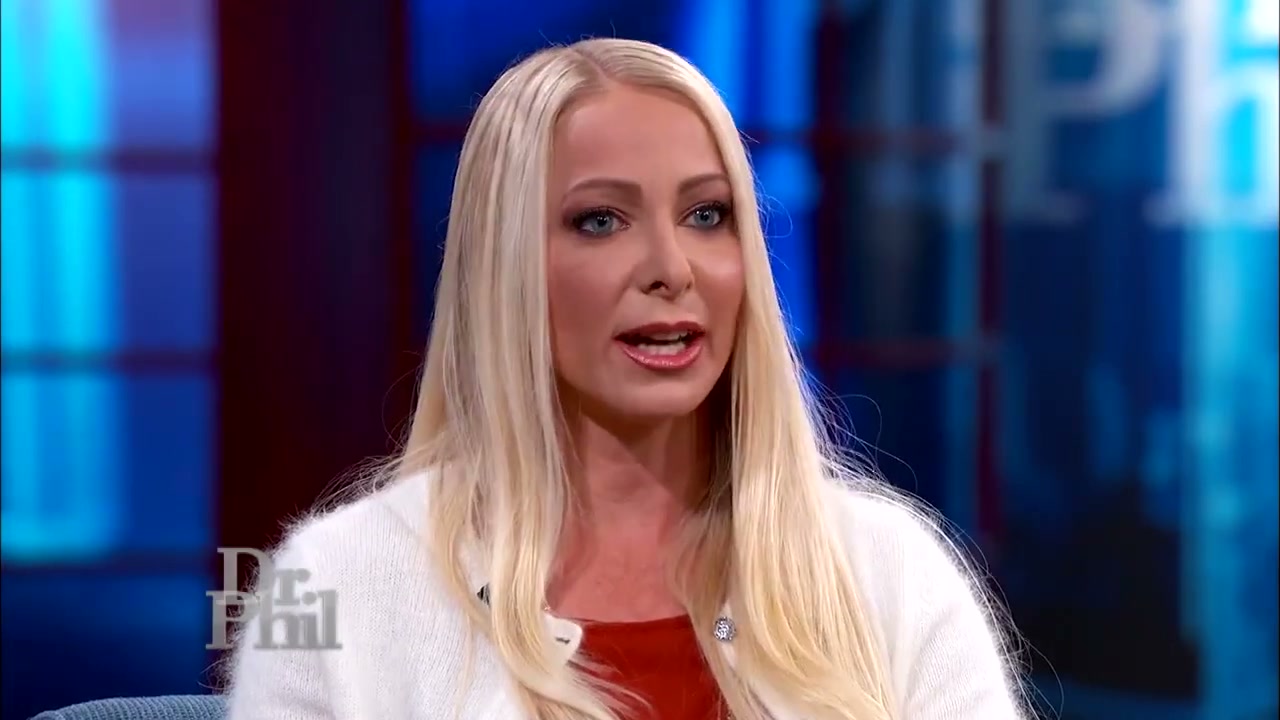
The adoptive mother repeatedly framed her boundary as temporary and conditional. She said healing would have to happen, hostile behavior would have to stop, and the adults would need to show they could communicate without turning the child into a battleground.
That kind of standard may feel unfair to a biological parent who believes she is being kept away. But from the adoptive mother’s point of view, access to the child is not a reward for adult desire; it is a responsibility that must be earned through safe behavior.
The host’s challenge made the exchange more complex by refusing to let either side stay in a simple role. The adoptive mother could not simply claim protection without examining her own hurt, and the biological mother could not simply claim love without addressing the mistrust her behavior had created.
The most balanced reading is that both women may care about the child, while still being caught in a dynamic that could harm her if handled impulsively. Love alone does not guarantee emotional safety, especially when adults are angry, defensive, or publicly accusing one another.
For the daughter, the central need is likely clarity without pressure. She deserves truthful, age-appropriate answers about her birth mother, while also being reassured that the family raising her is secure and not at risk of being replaced.
If contact ever happens, it would likely need structure rather than a sudden emotional meeting. Professional guidance, written boundaries, supervised communication, and a shared promise not to criticize one another could help protect the child from confusion.
The adoptive mother’s refusal, then, is not best understood as a simple rejection of the biological mother’s existence. It is a demand that any future relationship begin from calm, respect, and accountability rather than conflict.
The biological mother’s denial that she would ever badmouth the adoptive mother is also significant. If sincere, it could become the foundation for rebuilding trust, but only if her actions consistently match that promise over time.
This segment ultimately showed how adoption can create lifelong emotional questions that cannot be solved in one conversation. The child’s curiosity, the adoptive mother’s protectiveness, and the biological mother’s longing are all real, but the adults must resolve their conflict before asking a young girl to carry any part of it.