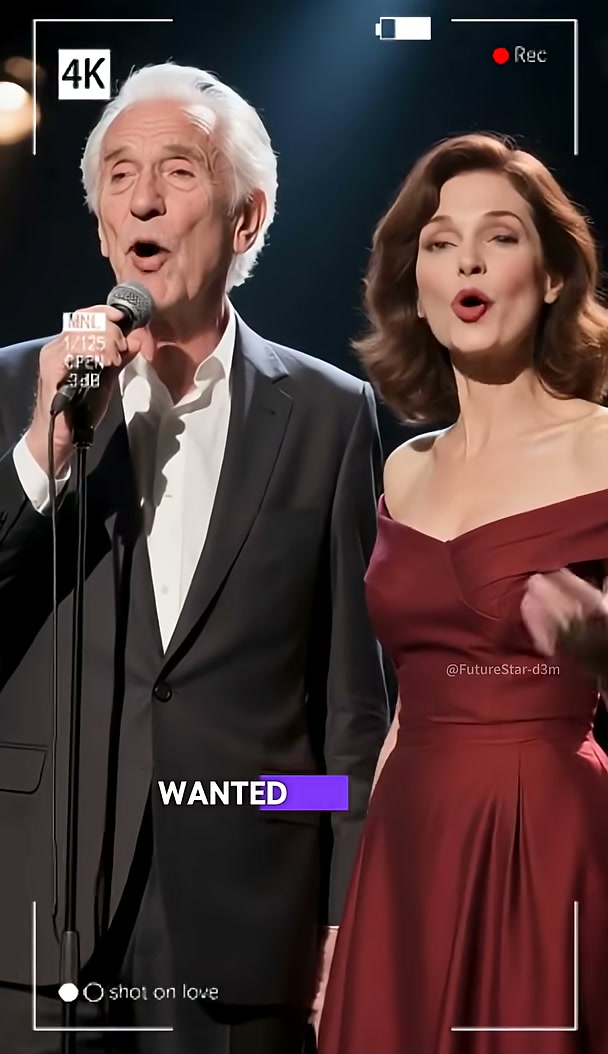
The 1980s produced countless pop hits, but few songs captured the decade’s romantic sensibility as completely as Chris de Burgh’s “Lady in Red.” Released in 1986, this ballad became an instant classic that transcended its era to become a permanent fixture in the cultural landscape of love songs.
Chris de Burgh crafted a narrative that resonated with millions by focusing on a single transformative moment of recognition and devotion. The song tells the story of a man attending a formal event who finds himself utterly captivated by his partner, seeing her beauty and significance with fresh eyes as she appears in a striking red dress.
The opening verses establish an intimate setting where the narrator confesses he has never seen his partner looking so beautiful before. This admission of renewed wonder within an established relationship struck a chord with audiences who recognized the challenge of maintaining romantic intensity over time.
De Burgh’s vocal delivery carries the emotional weight of the composition with remarkable sincerity and vulnerability. His voice conveys both tenderness and passion without resorting to vocal gymnastics, allowing the lyrics and melody to speak directly to listeners’ hearts.
The production choices reflect the lush, orchestral approach that characterized premium 1980s pop ballads. Sweeping strings, gentle piano accompaniment, and carefully layered instrumentation create a cinematic soundscape that elevates the personal story to universal significance.
The song’s structure builds gradually from intimate observation to passionate declaration, mirroring the emotional journey of the narrator. Each verse adds depth to the portrait of devotion, while the chorus provides the memorable hook that made the song instantly recognizable.
The lyrics avoid complex metaphors or abstract imagery, instead relying on direct, honest expression of feeling. This straightforward approach to romantic declaration represented a particular aesthetic of 1980s pop music that valued emotional authenticity over ironic distance.
The cultural impact of “Lady in Red” extended far beyond its chart performance, though it reached number one in multiple countries. The song became synonymous with romantic occasions, particularly weddings, where it remains a frequently requested selection decades after its release.
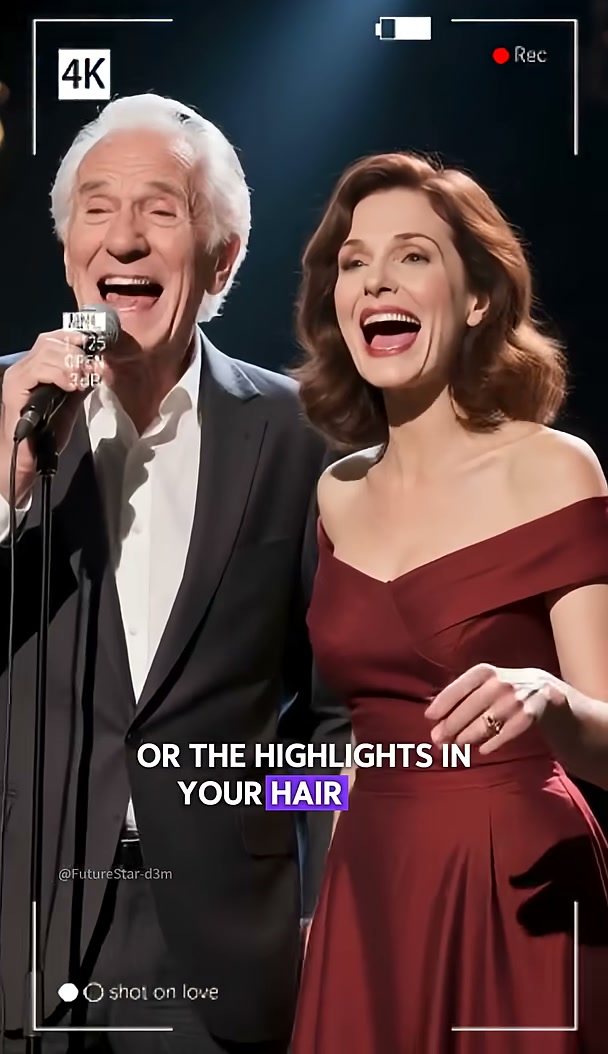
The track’s adoption as a wedding standard speaks to its ability to articulate feelings that many people experience but struggle to express. De Burgh essentially provided a soundtrack for moments of romantic recognition that occur in countless relationships.
The 1980s music landscape featured numerous romantic ballads, but “Lady in Red” distinguished itself through its specific narrative focus and emotional clarity. While other songs spoke of love in general terms, de Burgh’s composition captured a particular moment with cinematic precision.
The song’s enduring popularity on retro music channels and streaming playlists demonstrates its continued relevance to new generations of listeners. Young people discovering the track today often respond to its unabashed romanticism, which stands in stark contrast to more guarded contemporary expressions of affection.
The production aesthetic of “Lady in Red” represents a specific moment in recording technology and musical taste. The warm, analog sound and orchestral arrangements create an atmosphere of elegance and sophistication that defined aspirational pop music of the era.
Chris de Burgh’s career included other successful songs, but “Lady in Red” became his signature achievement and defining legacy. The track overshadowed his other work to such an extent that he became permanently associated with this single romantic statement.
The song’s narrative perspective offers insight into changing gender dynamics and romantic expression in popular culture. The male narrator’s vulnerability and open admiration represented a softer masculinity that gained prominence in 1980s pop music.
Contemporary listeners sometimes view the earnest romanticism of “Lady in Red” with a mixture of nostalgia and gentle irony. The song’s unguarded emotional expression can seem almost quaint in an era characterized by more cynical or self-aware approaches to love songs.
However, the track’s continued use at weddings and romantic occasions suggests that many people still value its straightforward emotional honesty. When the moment calls for sincere expression rather than clever wordplay, “Lady in Red” continues to serve its purpose effectively.

The musical arrangement supports the lyrical content without overwhelming it, demonstrating the craft that went into the song’s construction. Every instrumental choice serves the emotional narrative, from the gentle opening to the swelling orchestral climax.
The song’s success also reflected broader trends in 1980s popular music, where ballads often achieved greater commercial success than uptempo tracks. Radio formats and audience preferences favored emotionally resonant songs that could soundtrack significant life moments.
Chris de Burgh’s British-Irish background influenced his musical approach, bringing a European sensibility to the romantic ballad format. This perspective distinguished his work from American soft rock contemporaries while maintaining broad international appeal.
The track’s longevity raises questions about what makes certain songs transcend their original context to achieve timeless status. “Lady in Red” succeeded by capturing a universal human experience with sufficient specificity to feel authentic yet enough generality to allow personal interpretation.
The song’s place in popular culture extends beyond music into broader conversations about romance and relationship expression. It represents a particular ideal of romantic devotion that continues to resonate despite evolving social attitudes toward love and partnership.
Modern artists occasionally cover “Lady in Red,” reinterpreting it through contemporary production styles and vocal approaches. These versions demonstrate the song’s structural strength and melodic appeal while highlighting how much popular music aesthetics have shifted.
The original recording remains the definitive version, however, with de Burgh’s vocal performance and the period production creating an inseparable package. Attempts to modernize the song often lose the specific charm that made it successful in the first place.
“Lady in Red” ultimately stands as a testament to the power of sincere emotional expression in popular music. In an era that often prizes irony and emotional distance, the song’s unabashed romanticism continues to find an audience seeking authentic connection and heartfelt sentiment.