Episode one of Supernanny Beyond The Naughty Step revisits a family that once seemed trapped in daily turmoil. Earlier advice had brought visible gains with their children, yet the adults’ unresolved temper still dominated the home and threatened to undo every improvement.
The program frames this return not as a simple update, but as a test of whether practical parenting tools can survive deeper emotional strain. The couple have learned more consistency with their nine year old son and three year old twins, though shouting, impatience, and mutual frustration still shape ordinary routines.
Jo Frost appears briefly at the start, offering praise for the effort already made while warning that anger can quietly ruin relationships if ignored. Her final pep talk is practical and direct, stressing calmer communication, gentler tone, and the need to pause before reacting in front of the children.
She leaves the parents with a handbook designed to reinforce those lessons, but also makes clear that basic behavior charts are no longer enough. Because the family still struggles to get through everyday tasks without raised voices and conflict, specialist anger management is presented as the next necessary step.
Both adults approach the retreat with visible nerves, admitting that they do not know what specialists will ask of them or what may emerge. Their anxiety matters to the episode because it shows a family aware of its problems, yet still uncertain whether honesty will heal or further expose painful habits.

The retreat is more than a temporary getaway, since the series treats it as a controlled environment where old patterns cannot hide. Before any celebration or public outing can happen, the parents must examine how quickly annoyance becomes blame, and how blame becomes an atmosphere their children absorb.
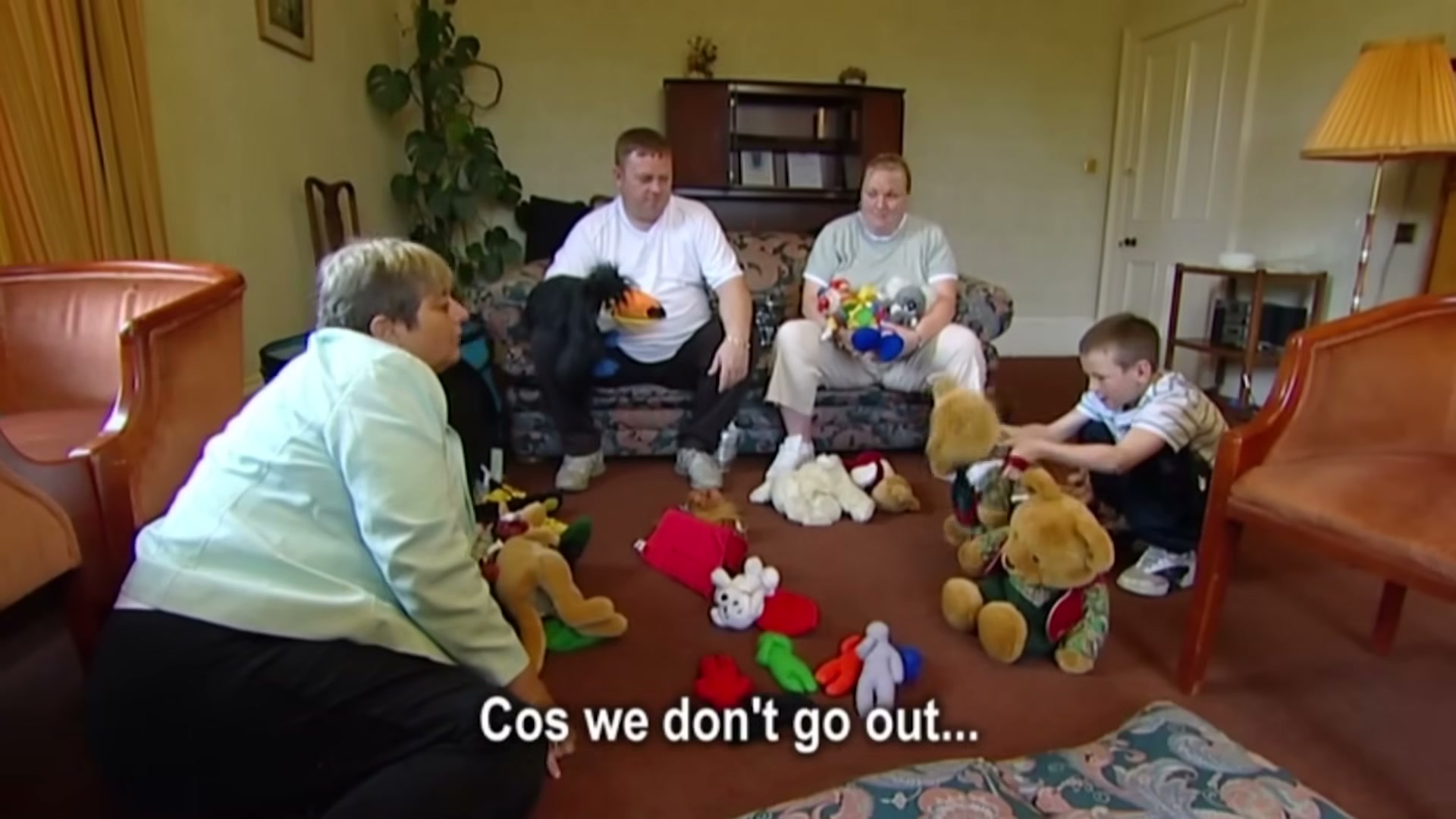
That wider emotional cost comes sharply into focus during the nine year old boy’s individual therapy session, the strongest sequence in the episode. Using toys and play, he describes a home life in which grown ups feel absent even when present, and support disappears when he needs it most.
His comments are simple, but they land with unusual force because they strip away adult defensiveness and reach the center of the family’s problem. He says his parents feel useless to him, then suggests that family life often means staying inside, watching television, and expecting little comfort or help.
The scene is not played for shock alone, because the boy’s blunt words reveal how children interpret tension long before adults admit it. His play makes clear that he does not only notice arguments, he feels overlooked, unheard, and doubtful that his parents can guide him through ordinary disappointments.
By placing this session near the center of the hour, the program shifts from surface behavior to emotional truth. What once looked like a household that simply needed firmer discipline now appears to be a family whose routines have been shaped by frustration, low confidence, and poor communication.
The parents do not leave these sessions triumphant, and the episode is careful not to promise an easy breakthrough after one difficult conversation. Instead, it presents therapy as uncomfortable but necessary work, especially for adults who have spent years reacting quickly and only later considering what their children actually experienced.
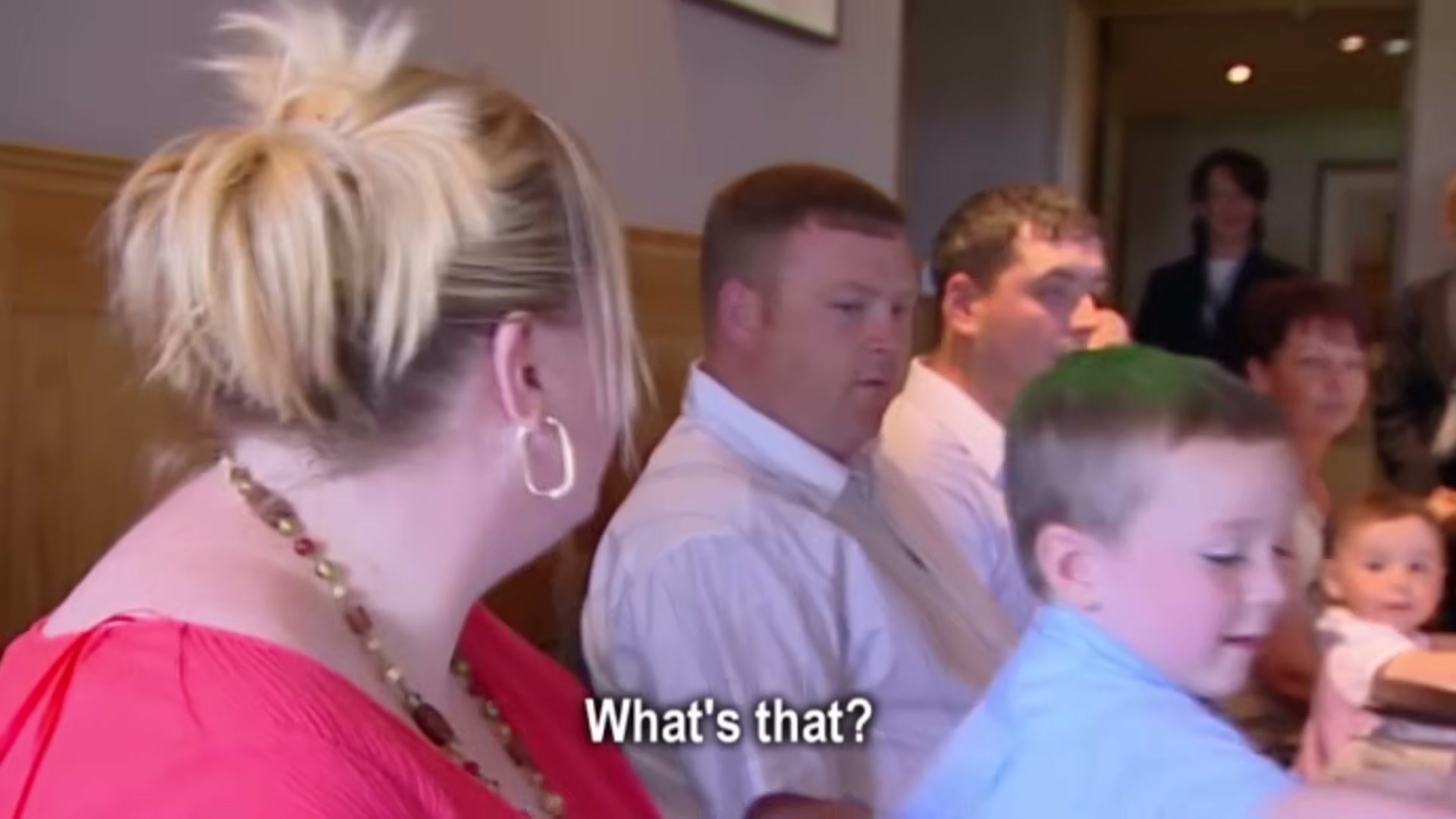
A key motivation running through the episode is the couple’s wish to live like other families, without fear of scenes in public. They want meals out, contact with relatives, and ordinary social moments that are currently avoided because stress can build fast and spread across the whole group.
That aspiration is embodied in the season’s symbolic challenge, a formal meal with relatives and friends where everyone will be watched closely. The outing is framed as more than dinner, since it measures whether the family can carry calmer habits into a setting that once triggered embarrassment and conflict.
For now, though, episode one ends before that test arrives, choosing instead to dwell on preparation, anxiety, and self examination. This structure gives viewers a clearer sense of the stakes, because success will depend not on one polite evening, but on whether the adults can change the emotional weather inside their home.
The episode’s tone therefore moves carefully from nervous anticipation to painful honesty and then to cautious hope, with the original childcare expert stepping back so trained therapists can lead. Her limited presence is important, because it underlines the idea that this family’s remaining challenge is no longer only about rules, rewards, or bedtime routines, but about anger that has seeped into conversation, partnership, and the children’s expectations of love, attention, and safety.
As an opening chapter, it works by refusing quick redemption and by showing that real progress may begin only when adults accept how their habits look through a child’s eyes. Viewers are left waiting to see whether professional guidance can help the parents manage their reactions, support their son more reliably, and reach that long desired family meal without the tension that has so often kept them at home, isolated from relatives, wary of public judgment, and unsure how to enjoy even simple time together.
The unanswered question is not merely whether they can behave for one evening, but whether they can build a steadier family culture that lets all three children feel heard, protected, and proud to step beyond the front door with confidence and calm at last together again.