
BTS brought a loose, cheerful energy to a short fan Q&A segment for The Ellen Show, using the format to show the warmth and comic timing that have helped make their interviews feel as memorable as their performances. Built around questions submitted through the hashtag #EllenShowMeMore, the clip played less like a formal promotional stop and more like a quick visit with fans who already understood the group’s rhythm, inside jokes, and affectionate way of teasing one another.
The segment opened with the members greeting the show and settling quickly into the fan-facing premise, creating an atmosphere that was casual but still charged with the excitement that follows them in American media appearances. Rather than leaning on scripted polish, the group let the conversation move through brief stories, self-aware humor, performance talk, and future ambitions, giving viewers a compact reminder of how their personalities operate together.
One of the first questions led them back to a previous trip to Disneyland, a memory that immediately shifted the mood toward nostalgia and playfulness. The reference became even lighter when one member echoed Buzz Lightyear’s famous phrase, “to infinity and beyond,” turning a simple travel memory into the kind of spontaneous pop culture moment that fans tend to clip, quote, and circulate.
That Disneyland exchange mattered because it showed how easily the group can connect personal memory with shared cultural references for an American audience. The answer did not need to be elaborate; its appeal came from the members’ quick reactions, the recognizable quote, and the sense that even a global act can still be amused by the same theme park memories that many viewers know well.
The most revealing and funniest stretch came when the members were asked what they loved about themselves. It was a simple fan question, but it opened the door to a run of answers that blended confidence, exaggeration, sincerity, and group teasing, all of which are central to the way BTS often presents itself in lighter interview settings.
The responses ranged from physical features to personal qualities, with members naming things like eyes, height, brain, face, music, and “game.” Each answer gained extra force from the reactions around it, as laughter, mock surprise, and quick commentary turned the question into a mini comedy routine rather than a straightforward round of compliments.
The charm of that section came from the balance between self-love and self-parody. The members were clearly comfortable praising themselves, but the surrounding laughter kept the tone playful, suggesting that confidence inside the group is often expressed through jokes as much as through earnest statements.
In a broader sense, the self-love question also aligned with one of the group’s most familiar public messages. BTS has often spoken to fans about accepting themselves, valuing their own stories, and finding strength in identity, so even a silly interview prompt carried a faint echo of the themes that have defined much of their relationship with the ARMY.

The conversation then moved toward performance, where the mood became more admiring while still remaining relaxed. When asked about professional skill onstage, the group singled out Jimin as especially professional, and the moment played as both praise from peers and a reminder of the discipline behind the group’s polished public image.
That recognition stood out because it came from within the team rather than from an outside critic. The members’ supportive reactions made the praise feel genuine, showing how their stage charisma is grounded not only in individual talent but also in the way they observe, respect, and encourage one another.
Jimin’s mention also offered a brief glimpse into the difference between playful interview personas and the demanding work of performance. Even in a light entertainment segment, the group found a way to acknowledge the seriousness of their craft, reminding viewers that the bright humor on camera sits alongside years of rehearsal, touring, and attention to detail.
Another key moment came when the members were asked about American artists they might want to work with. Their answer quickly landed on Post Malone, with the group expressing interest in a collaboration and jokingly calling for him to reach out, a response that mixed ambition with the easy looseness of a public wish.
The mention of Post Malone fit neatly into BTS’s larger position in the global music landscape at the time. They were not only visiting American television as international guests; they were actively imagining creative exchanges with major U.S.
artists, signaling that their ambitions extended beyond appearances and into collaboration, crossover, and shared musical territory.
The humor in the request helped keep the answer from sounding too strategic. By turning the idea into a playful “call us” style appeal, BTS framed a potentially headline-making collaboration wish as another fan-friendly moment, accessible to casual viewers but exciting for supporters watching closely for hints about future projects.
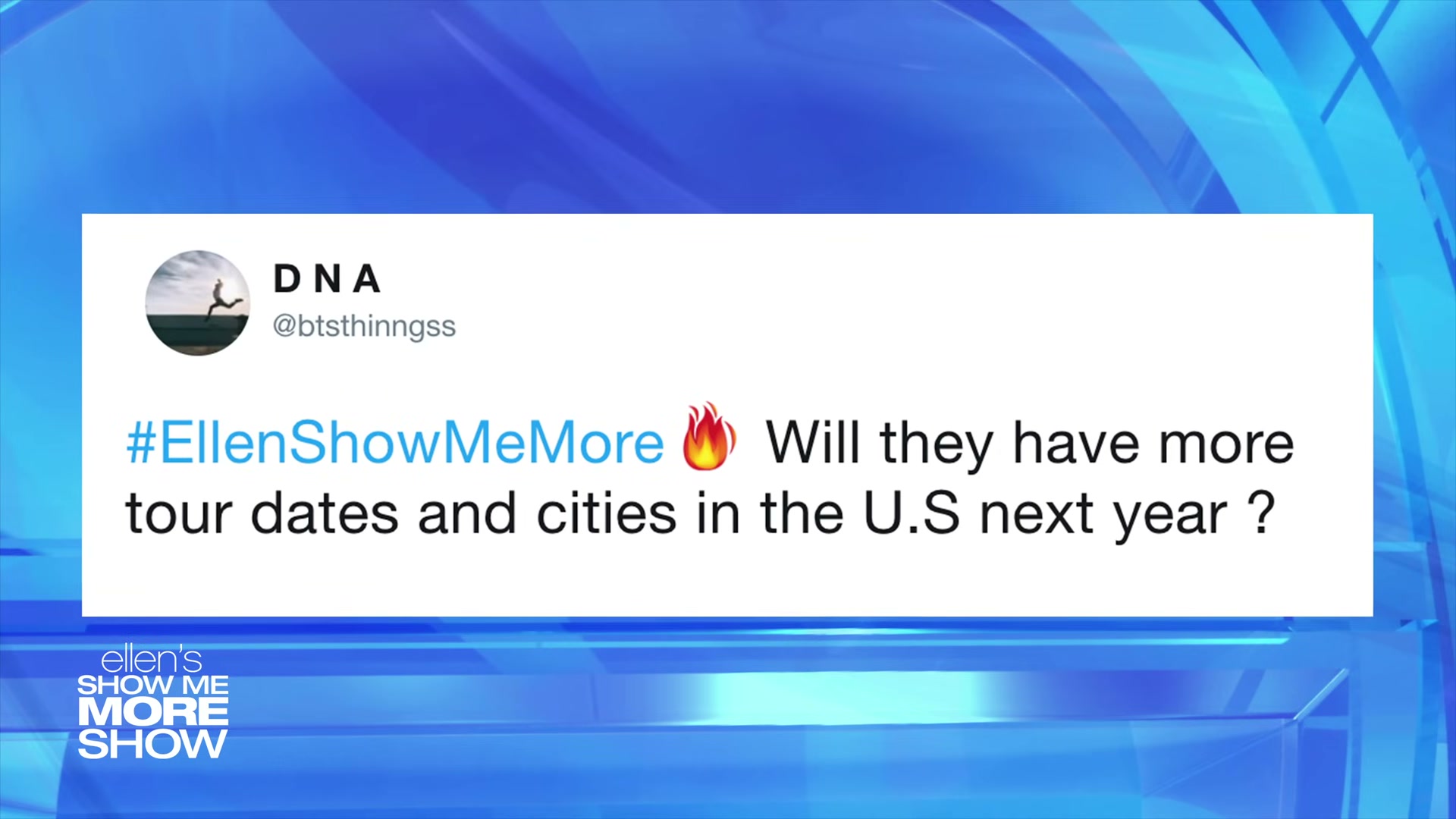
The closing portion of the segment looked ahead, with the group saying they hoped to return to The Ellen Show the following year. They also hinted at more cities on their schedule, giving fans the sense that their American presence was not a one-time event but part of an expanding relationship with audiences across the country.
Those remarks carried a promotional function, but they also reinforced the emotional structure of the segment. The members were answering fan questions in the present while pointing toward future meetings, future performances, and future chances for the ARMY to see them in person or on screen again.
What made the clip effective was its compactness. In only a short span, BTS moved through memory, comedy, self-confidence, performance respect, collaboration dreams, and tour hints, giving the segment the feel of a quick but complete snapshot of their public appeal.
The group’s chemistry remained the strongest thread throughout. Whether laughing at one another’s self-praise, backing up praise for a member’s professionalism, or joining in the excitement of a possible American collaboration, they consistently came across as a unit whose individual personalities become more vivid in conversation together.
For The Ellen Show, the segment served as a clean example of how fan-submitted questions can create relaxed access to major stars without demanding heavy revelations. The #EllenShowMeMore format worked because the questions were broad enough to invite personality, and BTS understood how to turn brief answers into moments shaped by timing, expression, and group response.
For fans, the appeal was even more direct. The clip gave the ARMY exactly the kind of content that strengthens a sense of closeness: familiar humor, small personal details, supportive member dynamics, and just enough future-facing information to fuel anticipation.
The segment also demonstrated why BTS’s American media appearances often resonated beyond standard interview cycles. Even when language, pacing, and television format created limits, the group relied on enthusiasm, body language, laughter, and shared energy to communicate clearly with viewers.
In the end, the Q&A was not built around major announcements or dramatic revelations. Its value came from watching BTS be relaxed, funny, and mutually supportive while answering the kinds of questions fans ask because they want to feel near the people behind the performances.
That combination of accessibility and star power is central to the group’s appeal. They can reference Disneyland, joke about their own best qualities, praise a member’s professional excellence, name a dream collaborator, and hint at future plans, all while making the interaction feel like a conversation rather than a campaign.
The result was a light but effective fan-service segment that reinforced several key parts of the BTS image. They appeared confident without becoming distant, ambitious without sounding cold, and playful without losing the sense of discipline that supports their success.
As a short television clip, it offered a reminder that not every meaningful fan moment needs to be serious or expansive. Sometimes a few well-timed jokes, a shared memory, a sincere compliment, and a hopeful look toward the next visit are enough to strengthen the bond between a global group and the audience waiting for more.