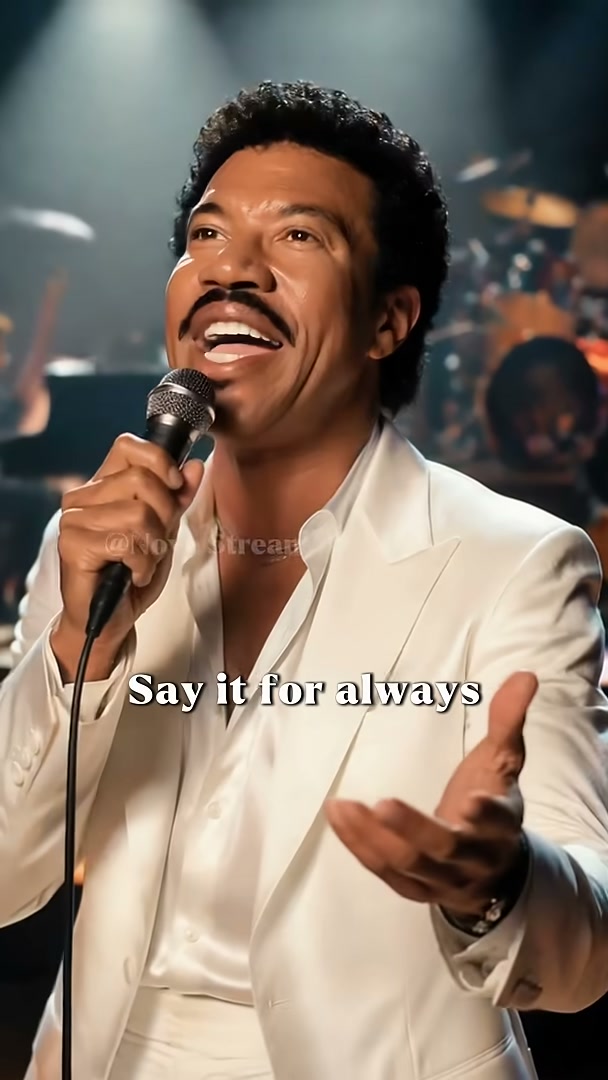
The video presents a familiar pop ballad through a modern educational lens, inviting viewers to listen with both emotion and attention. Built around Lionel Richie’s “Say You, Say Me,” it treats the song not only as a nostalgic performance but also as a practical guide to English pronunciation.
Its central appeal comes from the way it connects memory, melody, and language learning in a single experience. For longtime listeners, the song recalls an era of polished pop balladry, while for newer audiences, it becomes an accessible classroom shaped by rhythm and feeling.
The emotional foundation of the video is clear from the beginning, where the song is framed as a warm meditation on friendship, honesty, and self-expression. Rather than presenting the track as background entertainment, the video asks viewers to consider why its simple emotional message has remained powerful across generations.
This approach works because the song’s structure is naturally suited to learning. Its phrases unfold with clarity, its tempo allows learners to follow each word, and its vocal lines demonstrate how pronunciation can become more memorable when tied to melody.
A major feature of the video is its use of an AI-generated recreation of the classic performer’s image and style. This digital presentation gives the material a contemporary form, while still relying on the emotional identity associated with the original performance.
That choice is both inventive and worth examining carefully. On one hand, AI can help introduce older music to audiences who are accustomed to visual media and short-form digital learning; on the other, it depends on viewers understanding that this is a recreation, not an original live performance.
The video’s strongest educational value lies in its focus on pronunciation, flow, and intonation. Songs can be effective language-learning tools because they encourage repetition without making practice feel mechanical, and this ballad offers especially clear examples of how English sounds connect in natural speech.
Learners can pay attention to the softness of certain consonants, the stretching of vowel sounds, and the way phrases rise and fall with emotion. These details are difficult to master through word lists alone, but they become easier to notice when carried by a memorable melody.
The performance style also helps demonstrate the relationship between meaning and delivery. A phrase can sound different depending on whether it is sung with tenderness, hesitation, confidence, or reflection, and the video encourages viewers to hear those emotional shifts rather than simply repeat the words.
This is where music education and language education overlap most effectively. Pronunciation is not only about producing correct sounds; it is also about rhythm, emphasis, and the ability to communicate feeling through spoken or sung language.
The video’s nostalgic tone is central to its appeal. It does not treat the song as a relic from the past, but as a living piece of pop culture that can still comfort, teach, and bring people together.
That sense of continuity matters because many classic songs survive through shared memory. Parents, teachers, students, and casual listeners may all approach the same ballad from different life experiences, yet the melody gives them common ground.
The theme of friendship gives the video additional emotional weight. By emphasizing connection and sincerity, the presentation encourages viewers to think about language as something more than grammar or vocabulary.
In that sense, the song becomes a model for communication itself. It suggests that speaking clearly is valuable because people use words to build trust, express vulnerability, and reach across distance.
The video also invites active participation rather than passive viewing. Its call to sing along is important, because language learners improve most when they practice aloud and engage their ears, mouth, and memory at the same time.
Singing can reduce anxiety for learners who feel uncomfortable speaking in a new language. The melody provides structure, the repetition builds confidence, and the emotional atmosphere makes practice feel less like a test.
The use of a slow, expressive ballad is especially suitable for pronunciation training. Fast songs may be exciting, but they can overwhelm learners who are still trying to identify individual sounds and sentence stress.
Here, the pacing allows viewers to notice how syllables are shaped and how breath supports longer phrases. It also gives them time to imitate the vocal movement, which can improve both fluency and listening comprehension.
The video’s emphasis on soulful delivery highlights another important point: clear English does not have to sound flat or overly formal. Natural speech depends on musical qualities such as pitch, pause, stress, and timing, and this performance offers those qualities in an exaggerated but useful form.
For learners, that can be a breakthrough. They may begin by copying the song, but over time they can apply the same awareness to conversation, presentations, and everyday listening.
From a media perspective, the video reflects a broader trend in online education. Creators are increasingly combining entertainment, nostalgia, and practical skill-building to hold attention in a crowded digital environment.
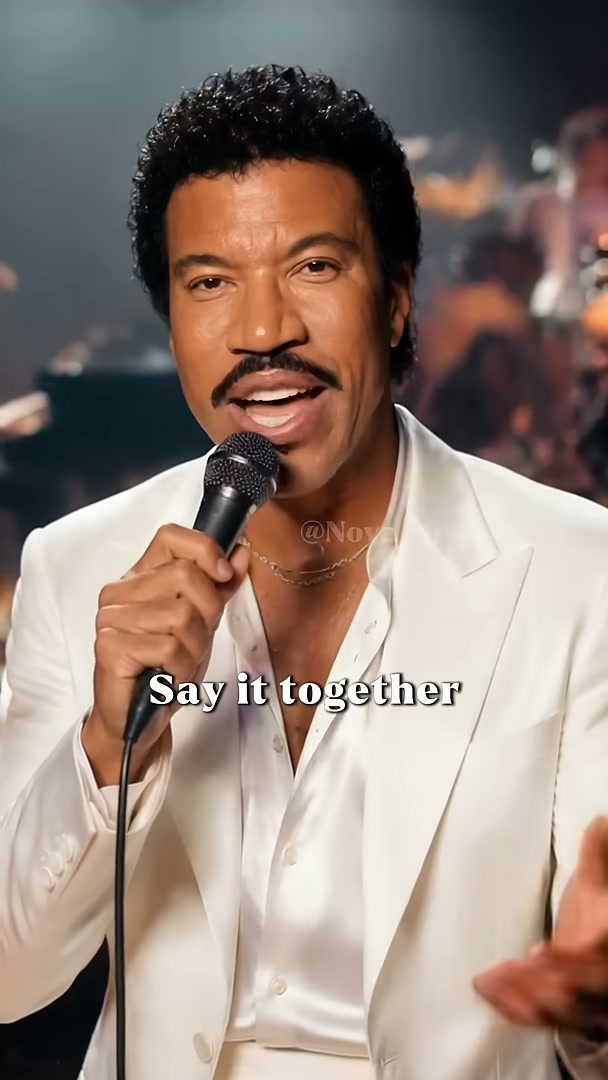
This format can be very effective when it respects both the music and the learning goal. The best moments are those that let the song’s emotion remain intact while guiding viewers toward specific skills they can practice.
The AI element also signals how music heritage may be repackaged for new audiences. Digital tools can create visually engaging interpretations, but the emotional credibility still comes from the song’s composition, vocal style, and cultural memory.
That balance is important because technology alone cannot make a performance meaningful. It can frame, amplify, and distribute an experience, but the reason people stay is the human feeling carried by the music.
The community message at the end fits naturally with the video’s purpose. By encouraging viewers to subscribe and join a group of music lovers and language learners, the video turns individual listening into a shared routine.
This matters because language learning often requires sustained motivation. A community built around songs can help learners return regularly, compare progress, and feel connected to others who are practicing the same material.
The video’s tone remains gentle and inclusive throughout. It does not demand expert musical knowledge or advanced English ability, but instead welcomes viewers to begin with listening, humming, repeating, and gradually singing with greater confidence.
That accessibility is one reason classic pop ballads continue to work well in educational settings. Their emotional directness makes them easy to enter, while their vocal detail gives learners enough depth to study repeatedly.
There is also a subtle lesson about authenticity in the video’s interpretation of the song. The message of being oneself aligns closely with the act of learning a language, which often requires courage, patience, and the willingness to sound imperfect at first.
When viewers are encouraged to feel the lyrics as well as pronounce them, they are being guided toward more expressive communication. That is a valuable reminder that fluency is not simply speed, but the ability to speak with intention.
As a nostalgia-driven music clip, the video succeeds by honoring the warmth and emotional clarity associated with the original ballad. As a learning tool, it succeeds when it helps viewers slow down, listen closely, and understand how melody can reveal the shape of English.
Its greatest strength is the way it refuses to separate feeling from education. The result is a modern digital lesson that uses a beloved song to teach pronunciation, celebrate connection, and remind viewers why certain melodies continue to move people long after their first release.