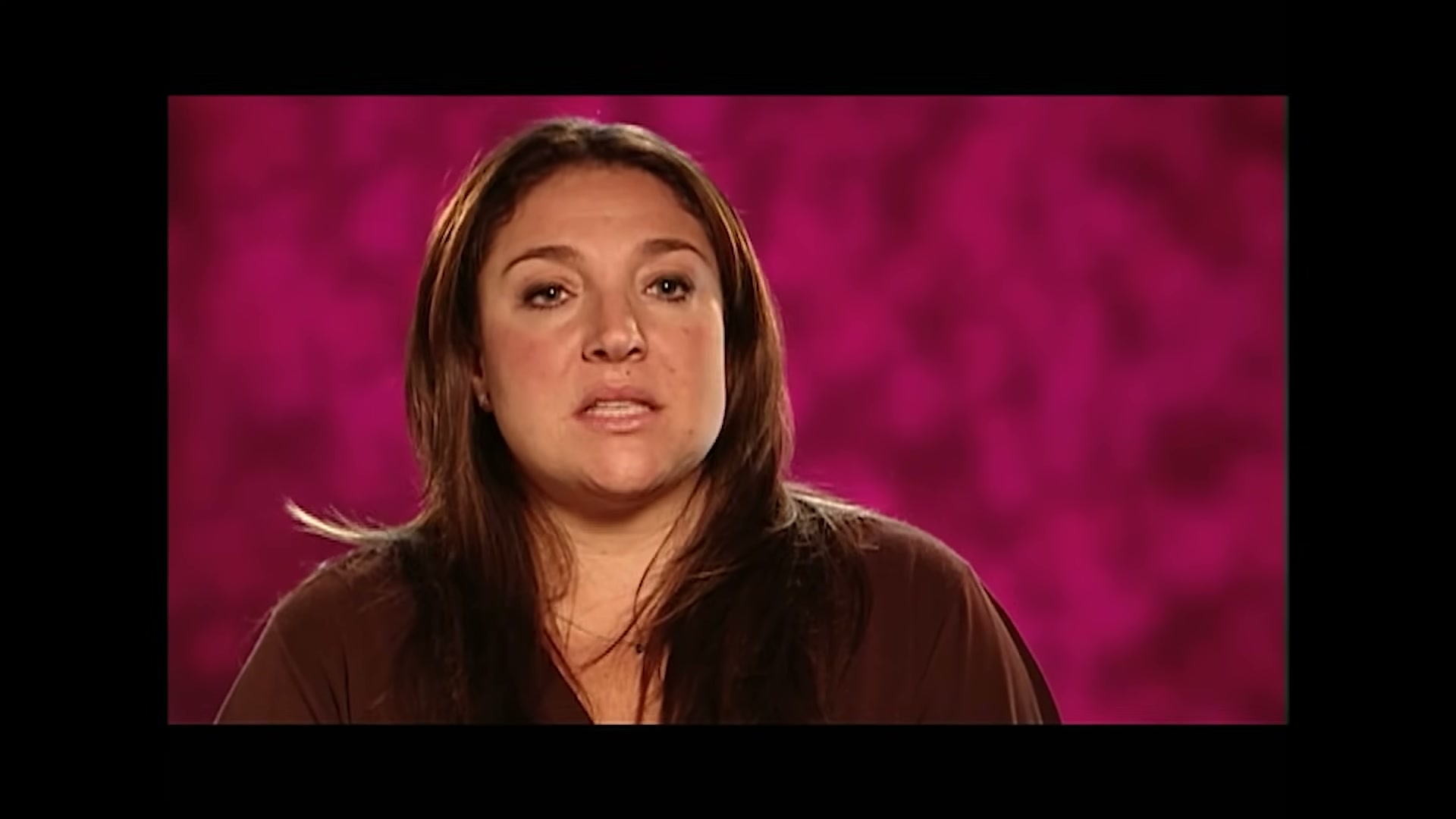
A celebrity edition of Supernanny begins with the promise of a rare look inside a famous family, but it quickly settles into something more grounded. Behind the television hook is a household running on little sleep, uneven routines, and a growing sense that two overwhelmed parents are losing control of daily life.
The episode centers on singer Wendy Wilson and her husband Dan, who are raising four boys in Studio City while adjusting to six week old twins. What might sound glamorous from a distance is shown instead as a noisy home filled with crying babies, restless older children, cluttered rooms, and two adults trying to keep up.
From the opening minutes, the program makes clear that celebrity status does not protect a family from ordinary pressure. Jo Frost acknowledges the novelty of visiting a public figure, yet her attention remains fixed on parenting habits, emotional strain, and the practical problems that can turn a busy home into a constant state of stress.
Wendy describes the family as being in shock since the twins arrived, a phrase that captures both exhaustion and disorientation. The older boys are energetic and demanding, the newborns need round the clock care, and the parents appear to be moving from one urgent moment to the next without a stable plan.
One of the strongest themes is the clash between Wendy’s permissive instincts and Dan’s firmer style. He tends to step in with stronger boundaries when the boys ignore directions, while she often asks repeatedly, softens her tone, and struggles to follow through with consequences.
That difference is not presented as a simple right versus wrong battle, but as a tension shaped by biography. Wendy connects her reluctance to discipline with her own childhood as Brian Wilson’s daughter, recalling a famous yet loosely structured upbringing that left her with affection, confusion, and few clear models for everyday boundaries.
The show uses that admission to deepen the story beyond scenes of unruly behavior. Wendy is not portrayed as uncaring or inattentive, but as a mother who wants warmth and harmony so badly that she sometimes avoids the discomfort required to create order.

Daily scenes reveal how quickly that pattern affects the household. The older boys resist instructions, talk over their mother, run wild outside, ignore requests to settle down, and test limits in ways that would challenge any parent, especially one already tending to newborn twins and interrupted sleep.
Potty training becomes one visible pressure point, with accidents and refusal adding to the sense that little routines are slipping away. Bedtime is another repeated struggle, as the children push back against settling down and the parents, already drained, lack the consistency needed to make the evening predictable.
Sleep deprivation hangs over the episode like a permanent weather system. The babies wake often, the older children are unsettled, and both parents look worn down by nights that offer no real recovery before another demanding day begins.
A major turning point arrives when Jo watches the boys disregard Wendy’s instructions almost as soon as they are spoken. The moment is uncomfortable, not because it is dramatic in a sensational way, but because Wendy’s embarrassment is visible and the gap between what she wants and what she can enforce is suddenly undeniable.
That vulnerability gives the episode much of its emotional force. Rather than hide behind fame or defensiveness, Wendy appears painfully aware that her children do not respond to her authority, and that self awareness invites sympathy from viewers who may recognize similar struggles in less public settings.
Jo’s approach is notable for refusing to be distracted by the family’s public profile. She treats the house like any other home in crisis, observing patterns, identifying mixed messages, and focusing on how parents can work together instead of operating from separate assumptions about discipline, expectations, and follow through.
The program repeatedly shows how inconsistency feeds the children’s behavior. When one parent gives a direction and the other steps in differently, or when a warning leads nowhere, the boys learn that they can delay, negotiate, or ignore commands without expecting a clear and steady result.

Dan comes across as the more decisive parent, but the episode does not simply crown him correct. His stricter responses sometimes provide needed structure, yet the broader message is that firmness works best when paired with calm, teamwork, and a shared plan rather than frustration or a visible divide between mother and father.
What makes the story compelling is the way public image fades into the background as private strain comes forward. The former pop star who once toured and performed is now shown juggling diapers, sibling conflict, bedtime resistance, and the humbling reality that family life can feel hardest when outside observers assume everything should look enviably polished.
That contrast grows sharper because Wendy is preparing to return to touring with her sister, adding urgency to the family’s problems. If the household feels chaotic before rehearsals and travel increase the pressure, the episode suggests that unresolved parenting patterns could become even harder to manage in the near future.
Jo frames that urgency not as a career problem but as a family systems problem. The issue is not whether a mother should work, but whether both parents can create reliable routines and mutual support so the children feel secure even when schedules become busier and demands multiply.
The emotional undertow of the episode comes from Wendy’s fear of repeating what she experienced growing up. She speaks about wanting to give her children love without recreating the lack of structure that made her own childhood feel unstable, and that conflict explains why discipline seems emotionally loaded rather than merely practical.
By allowing those reflections to sit alongside scenes of mess, noise, and everyday failure, the episode avoids turning the family into a novelty act. It presents celebrity as a backdrop, not an answer, and shows that resources and recognition do not erase the need for consistency, rest, united parenting, and the difficult work of setting limits.
In the end, this installment succeeds because it invites viewers to look past the famous surname and see a family in genuine distress. The lasting impression is less about pop history than about the universal challenge of raising children under pressure, especially when love is abundant, energy is depleted, and structure has not yet caught up with the family’s needs.