The performer, a trainer who said she had been painfully shy as a child, entered the stage with her five year old dog, a fluffy white companion named Hero. Their appearance immediately won smiles from the judges, who asked about his age, name, and mission.
She explained that the dog’s name reflected his importance in her life, then opened up about a difficult personal history that gave the audition emotional weight before a trick had even been performed. Growing up in a military family, she said some relatives dismissed animal training as an unreal profession and eventually cut ties with her over the choice.
The rejection, she said, pushed her into a dark period when getting out of bed felt difficult and giving up seemed possible. Meeting Hero as a small farm puppy changed that direction, restored her sense of purpose, and convinced her they were meant to work together.
By the time the act began, the stakes were clear: the routine was not only a bid for a television breakthrough, but also a public statement about survival, trust, and positive reinforcement training. She told the panel that any prize money would be used to teach people how to train dogs kindly while having fun with them.
Dressed in a pirate themed costume and accompanied by energetic music, the pair launched into a playful routine that mixed theatrical staging with obedience, timing, and movement. The dog ran, flipped, leaped, and interacted with props, including a sword sequence that gave the performance a whimsical medieval flavor.

Audience members responded warmly, and at least one judge seemed delighted by the unusual presentation and the bond between handler and dog. Still, the panel’s reaction quickly split, exposing a familiar tension on talent shows between technical expectations and emotional impact.
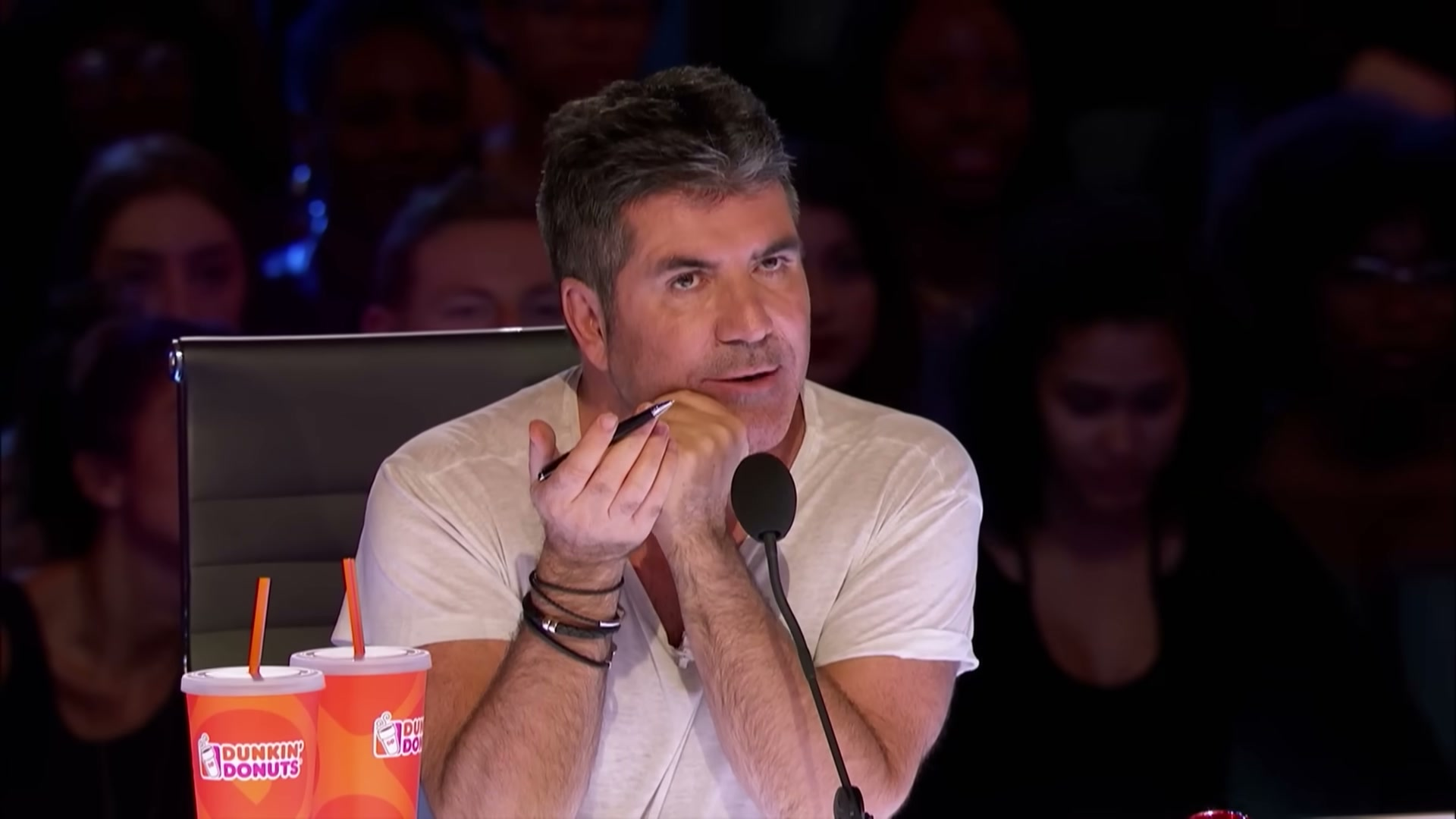
One judge compared the audition to a one woman version of Medieval Times and said he had not seen a single amazing trick. Another agreed in part, praising a few moments but arguing that the strongest elements arrived too late and needed more variety.
The act’s defender on the panel saw something different, pointing to the sword fight and even suggesting the dog appeared to sing along with the music. In that judge’s view, the audition had delivered originality and showmanship in a form the others had failed to recognize in the moment.
When the votes started coming in, the disagreement became decisive as two judges delivered no responses, leaving the performer visibly shaken onstage. Before the rejection could settle, however, the strongest supporter interrupted the process and did something rarely seen during an audition round.
The judge stopped the critique, walked up toward the stage, and appealed directly to a fellow panelist to reconsider on behalf of both performer and dog. Saying there was something valuable hidden in the act, the judge insisted that the others were missing what had made the routine special.
The plea worked. A judge who had already voted no softened, admitted feeling emotional, and switched to yes, while another panelist confirmed that she had wanted to see the duo again anyway.
That left the scoreboard transformed from likely elimination to a majority of yes votes, turning the room from disappointment to celebration within moments. The performer, overcome with relief, thanked the panel as applause rose around her and the dog remained at her side.

What followed was a burst of affection from the judges, with one saying the rescuer was the real hero of the night and another telling the contestant she now had two heroes in her life. Fighting back tears, she said simply that she was feeling emotional, a quiet response that captured the intensity of the turnaround.
The moment has endured because it condensed several of the program’s most reliable ingredients into one sequence: a vulnerable backstory, a charming animal act, divided judges, and a last minute intervention. Yet it also stood apart because the intervention did not come after the performance in private deliberation, but in full view of the audience and cameras.
For viewers, the exchange offered a window into how subjective talent competitions can be, especially when novelty and narrative collide with standards of difficulty and polish. One side wanted bigger tricks delivered sooner, while the other valued originality, stagecraft, and the emotional connection between performer, pet, and crowd.
The audition also reinforced the rising place of humane training messages in mainstream entertainment, as the performer framed her ambition around positive reinforcement rather than domination or spectacle. That detail helped present the act not just as a competition entry, but as part of a broader effort to change how people interact with their dogs.
As America’s Got Talent marks another milestone season, the clip has been revisited as an example of the franchise at its most unpredictable, when instinct overrides routine judging rhythm. It is a scene that reminds audiences why live television can feel electric: a decision changes, a contestant breaks down, and a simple audition becomes television history.
Long after the music stopped, the image that remained was not only a dog in costume performing with precision, but a judge choosing conviction over consensus. For the contestant, the reversal validated years of struggle and the partnership that had pulled her through a period she once feared might define her.
Whether remembered for the dog’s playful sword fight, the surprise change of heart, or the tears that followed, the audition remains one of the show’s clearest examples of hope arriving at the last possible moment. In a competition built on quick judgments, this performance proved that sometimes the most important talent is seeing potential before everyone else does under the brightest studio lights of a national stage.