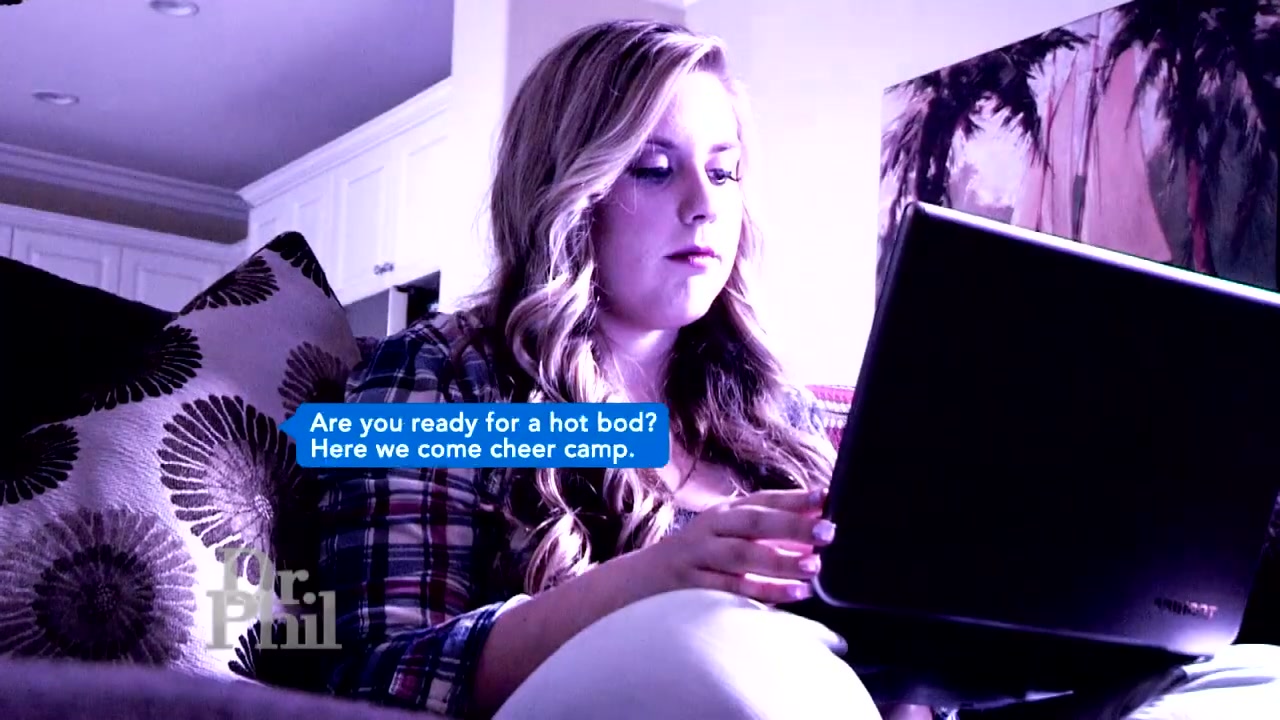
A tense family conflict took center stage on Dr. Phil as a mother described what she believes is a frightening pattern of online deception by her 18-year-old daughter.
The episode framed the situation not simply as teenage drama, but as a broader warning about identity, attention, and risky choices in the digital world.
Shannon, the mother featured in the segment, said she fears her daughter Ryann has become trapped in a fantasy version of herself. In her account, the concern is not one isolated lie, but a repeated pattern of invented stories, exaggerated identities, and emotionally charged online relationships with boys.
She described her daughter as someone who regularly presents herself online in ways that do not match real life. According to Shannon, Ryann has portrayed herself as a bubbly blonde cheerleader and has built social media stories around that image to attract attention.
The mother said the cheerleader persona was only one piece of a much larger pattern. She claimed Ryann created stories about cheer camp, injuries, trips, siblings, pets, and other personal details that made her life seem more dramatic or appealing.
What made the situation especially troubling for Shannon was the emotional purpose she believed these stories served. She said the invented details appeared to be aimed at gaining sympathy, admiration, or commitment from boys she met online.
In the segment, Shannon suggested that online attention had become almost intoxicating for her daughter. She said Ryann seemed energized by the responses she received, especially when boys showed concern, affection, or interest.
The claims grew more serious when Shannon described an alleged false pregnancy story. She said Ryann once told a boy she was pregnant, and Shannon believed the story was used to pressure him into remaining emotionally attached.
Because that kind of claim can deeply affect everyone involved, Dr. Phil’s framing emphasized the seriousness of the behavior.
The segment treated the alleged deception not as a harmless performance, but as something capable of causing real emotional harm.
At the same time, the show relied on the mother’s testimony as the primary lens for the story. That means viewers were asked to understand the situation through Shannon’s fear, frustration, and sense that she had lost control of what was happening.
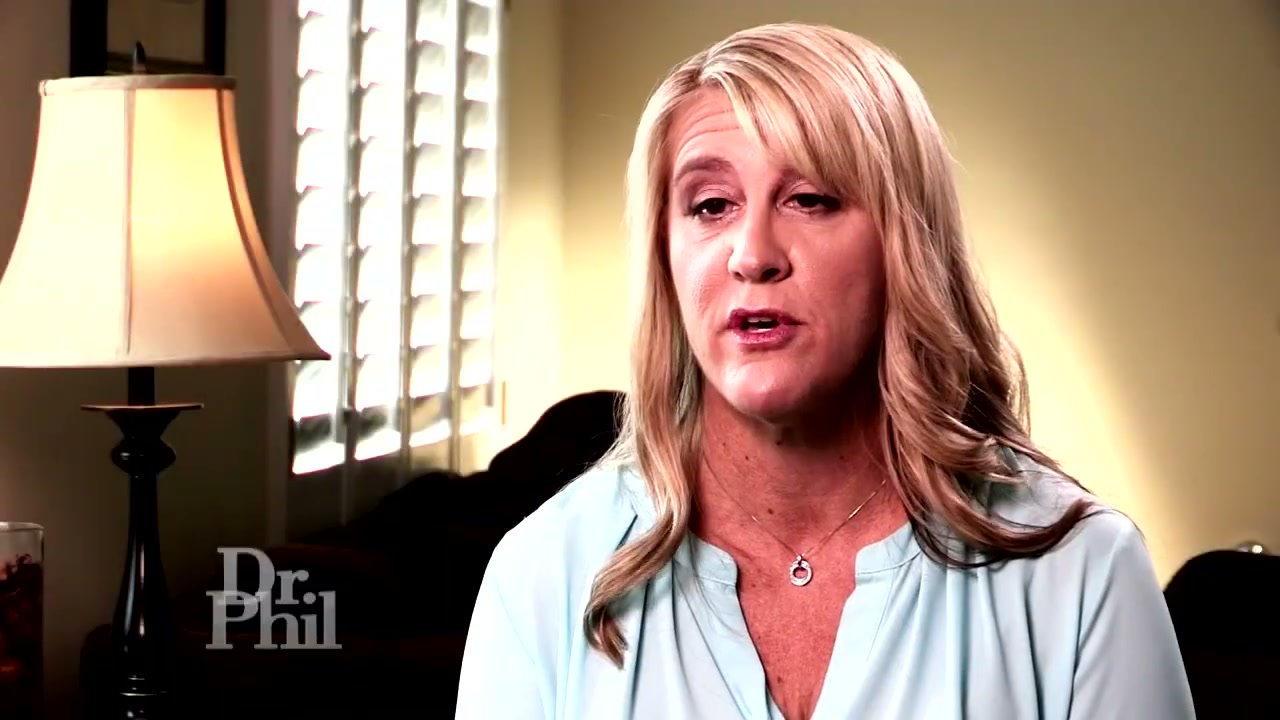
Shannon’s tone throughout the account was a mix of anger, worry, and disbelief. She appeared exhausted by what she described as repeated discoveries, repeated explanations, and repeated promises that did not seem to last.
The conflict also raised a familiar but difficult question for families dealing with digital behavior. When a young person creates a false online identity, parents may struggle to know whether they are seeing immaturity, insecurity, emotional distress, manipulation, or some combination of all four.
The segment became more alarming when Shannon moved from online lies to physical risk. She alleged that Ryann’s fixation on boys had led to runaway incidents, secret plans, and choices that put her safety in question.
One of the most dramatic claims involved an alleged plan to leave the country for a boy she had met online. Shannon said Ryann intended to go to Canada, a detail presented as evidence that the online relationships had begun shaping major real-world decisions.
The mother also said her daughter had taken her car and left home without permission. In her telling, the digital fantasy life was no longer contained behind a screen, because it was now connected to travel, secrecy, and potentially unsafe environments.
Another serious allegation involved Ryann staying in military barracks. Shannon presented that claim as part of a broader pattern in which her daughter sought closeness with young men while ignoring practical risks and family boundaries.
The episode’s emotional power came from the way ordinary teenage conflict seemed to escalate into something much more unstable. What began as social media exaggeration became, in Shannon’s account, a cycle of risky choices driven by the need for attention and validation.
Dr. Phil’s setup positioned the mother’s story as an intervention, not just a complaint.
The language of the segment suggested that the family had reached a crisis point and needed outside help to separate truth from performance.
Still, a balanced reading requires caution, because the daughter’s full perspective is not captured in the provided material. The audience hears the mother’s version of events, and while it is detailed and emotional, family conflicts often include layers that are difficult to understand from one side alone.
Young adults who misrepresent themselves online may be acting out of loneliness, insecurity, impulsivity, or a desire to control how others see them. None of those explanations excuse harmful deception, but they can help explain why a false persona might become so compelling.

The alleged behavior also reflects a larger cultural problem that extends beyond one family. Social platforms reward performance, constant storytelling, curated images, and emotional drama, which can blur the line between self-expression and fabrication.
For teenagers and young adults, that blurred line can be especially difficult to manage. A person who receives praise for a fictional version of themselves may begin to depend on that version, even when maintaining it requires bigger and riskier lies.
The family’s story also highlights how online relationships can intensify quickly. When affection, sympathy, and romantic promises happen through messages and posts, emotional bonds can form before people have verified basic facts about each other.
That speed can make deception more powerful and more dangerous. A false story about illness, injury, family crisis, travel, or pregnancy can create urgency and pressure before the other person has time to step back and question what is true.
For parents, Shannon’s account reflects the fear of watching a child make choices in spaces they cannot fully supervise. Even when a young person is legally an adult, families may feel helpless if online interactions appear to be driving unsafe behavior.
The segment also points to the importance of responding with both boundaries and support. If a young adult is repeatedly lying, running away, or seeking risky relationships, families may need more than confrontation, including mental health guidance and practical safety planning.
Labeling someone as a chronic liar may capture a parent’s frustration, but it does not solve the underlying problem. A more constructive approach would examine what the person gains from deception, what pain or insecurity may be underneath it, and what consequences are needed when trust is broken.
The most important issue is safety. If someone is leaving home secretly, traveling to meet people from the internet, or building relationships on false claims, loved ones should take the situation seriously and seek appropriate professional help.
The Dr. Phil segment is designed to shock viewers, but its strongest value may be as a conversation starter.
It reminds families that online personas are not always harmless, especially when they become tied to romance, escape, and real-world risk.
In the end, the story presents a mother who believes her daughter’s search for attention has become dangerous. Whether viewers see the situation as deception, distress, rebellion, or a mix of all three, the episode underscores the need for honesty, accountability, and safer digital boundaries.