
A musician from Hopkins, South Carolina, arrived on the America’s Got Talent stage with the calm confidence of someone who has spent years learning exactly who he is. Steve Ray Ladson did not simply bring an original song to the judges, but a full musical identity he described as “Blackgrass Brothercana.”
That phrase immediately signaled that Ladson was not interested in fitting neatly into one established lane. His audition was built around the idea that country, soul, bluegrass flavor, Southern storytelling, and modern stage swagger could all live inside the same performance without canceling one another out.
Before the music started, Ladson introduced himself as a lifelong musician who had been working professionally for about 15 years. He explained that he had toured with established bands, gained experience on the road, and learned the discipline required to deliver night after night.
Yet his reason for auditioning was more personal than professional momentum alone. Ladson told the judges that his dream was to do his own thing and bring his own sound to the world, a goal that framed the performance as both an audition and a declaration of independence.
The song he chose, “Back of My Truck,” was an upbeat original that wasted little time showing the room what he meant. Its groove leaned into party energy, its lyrics had a playful Southern charm, and its repeated hook was built for quick recognition.
From the first moments, the performance felt polished rather than tentative. Ladson moved with the ease of a seasoned bandleader, while the musicians around him gave the song the tight, full-bodied support needed to make an original tune land instantly with a large television audience.
That level of polish mattered because original songs on competition shows face a particular challenge. Viewers and judges have no nostalgia to lean on, so the artist must create familiarity in real time through melody, rhythm, personality, and clarity.
Ladson did exactly that by giving the audience a chorus that could be understood and remembered after a single listen. The phrase at the center of the song became less like a lyric being introduced and more like a chant the room was invited to join.
The audition also benefited from the strong contrast between Ladson’s relaxed introduction and the explosive feel of the performance. He came across as humble when speaking, then transformed into a charismatic frontman once the band kicked in.
Sofía Vergara’s reaction helped tell the story of the room. She danced along visibly during the number, responding not only to the beat but to the easy confidence and joy that Ladson projected from the stage.

The audience followed that same energy, cheering loudly as the song built. The performance created the kind of atmosphere that makes a theater feel less like a judging panel and more like a Saturday night gathering where everyone has decided to let loose.
There was also a notable sense of musicianship beneath the party mood. The arrangement sounded rehearsed and compact, with the band leaving space for Ladson’s vocals while still providing the punch needed to sell the genre blend.
That balance is central to why the audition worked. A novelty concept can grab attention for a few seconds, but Ladson’s “Blackgrass Brothercana” label was backed by craft, timing, and a clear understanding of how to shape a live performance.
The judges picked up on that freshness almost immediately after the song ended. Howie Mandel praised the act for feeling unlike anything he had seen before, pointing to the originality, swagger, and distinctive musical mixture that separated it from more familiar audition formats.
His reaction was important because America’s Got Talent often rewards acts that can be understood quickly while still feeling new. Ladson’s performance had the accessibility of a crowd-pleasing country-soul anthem, but the self-created genre gave it an extra layer of identity.
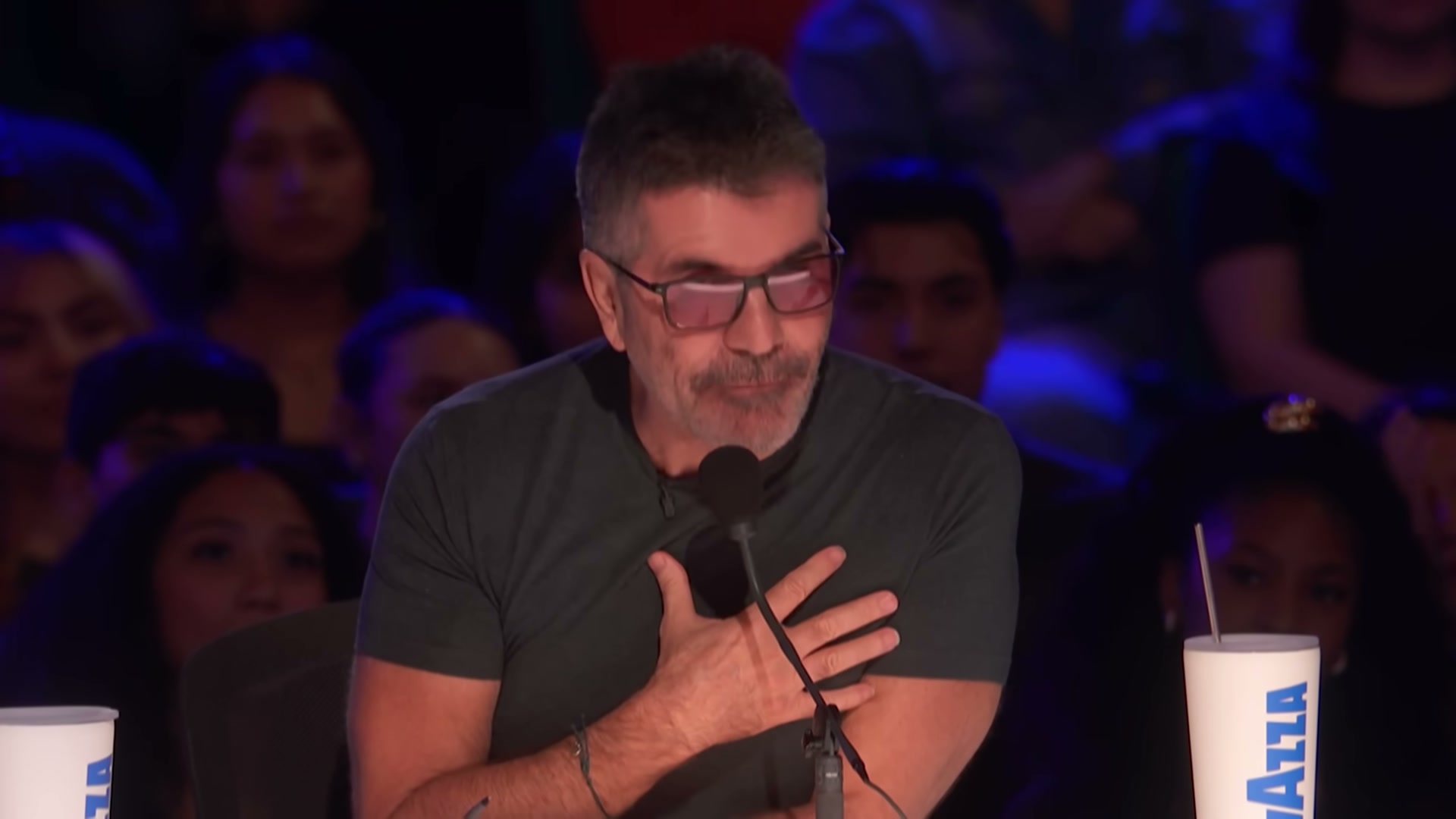
Simon Cowell’s response was even more direct. He said the song sounded like a hit, a comment that carried weight because Cowell has long been known for focusing on whether an act can live beyond the audition stage.
Cowell also noted how tight the band sounded, especially after learning that the group had been together for only about a year. That observation highlighted one of the audition’s strongest qualities, because the musicians performed with the cohesion of an act that had already spent serious time sharpening its stage language.
Vergara’s praise went beyond simple approval. She called it her favorite music act of the season, a strong endorsement in a competition where singers and bands often have to fight hard to stand out among dancers, magicians, comedians, and specialty performers.
Her enthusiasm matched the physical response she had shown during the performance. In talent show terms, that matters because judges’ comments are one thing, but spontaneous movement during an audition suggests that the music connected before anyone had time to analyze it.
The song’s appeal came partly from its sense of place. Without needing to overexplain itself, “Back of My Truck” evoked tailgate gatherings, rural roads, social ease, and the kind of communal fun that country music often celebrates.
At the same time, Ladson’s delivery brought soul and personality that kept the track from feeling like a standard country party song. His voice, phrasing, and stage presence gave the material a warm, lived-in quality that helped the lyrics feel less like a formula and more like an invitation.
The playful nature of the song also made it well suited for a national television audition. It did not require a complicated backstory to be enjoyed, but it still carried enough personality to make the performer behind it memorable.
That is a difficult line to walk. Many original songs either become too personal for a first-time audience to absorb quickly or too generic to reveal anything about the artist, but Ladson found a middle ground that served both the song and the audition.
His choice to name and define his own genre was also a smart storytelling move. It gave the judges a phrase to remember, gave the audience a lens for understanding the sound, and positioned Ladson as an artist with a vision rather than simply a singer with a catchy track.
The phrase “Blackgrass Brothercana” suggests roots, heritage, experimentation, and humor all at once. It also reflects the broader musical reality that American roots music has always been shaped by overlapping traditions, even when the industry has tried to divide them into rigid categories.
Ladson’s audition did not pause to give a lecture on those traditions. Instead, it made the case through performance, showing how banjo-tinged energy, country storytelling, soul confidence, and bandstand precision can fuse into something instantly enjoyable.
That practical demonstration may be why the judges responded so strongly. Rather than asking them to imagine what his concept could become, Ladson arrived with a finished example that already sounded ready for a festival crowd or radio-friendly playlist.
The four yeses were therefore not surprising. By the time the vote arrived, the performance had already done the essential work of proving that the act had identity, professionalism, audience appeal, and room to grow.
For Ladson, the moment carried the satisfaction of a long-working musician finally putting his own name and sound at the center. Years of touring with other bands appeared to have prepared him for precisely this kind of opportunity, where confidence must meet clarity under bright lights.
His exit from the stage was celebratory, but the audition also left behind a larger question. If “Back of My Truck” could win over the room so quickly, it suggested that Ladson’s self-defined lane might have real potential beyond a single televised performance.
America’s Got Talent thrives on moments when an artist arrives with something fully formed yet still surprising. Ladson delivered that kind of moment by combining a catchy original song, a sharp band, a memorable genre concept, and the kind of joy that turns an audition into a party.
Whether the song becomes the hit Simon Cowell imagined will depend on what happens after the applause fades. But on this night, Steve Ray Ladson made a persuasive case that his sound is not just personal to him, but broadly contagious.