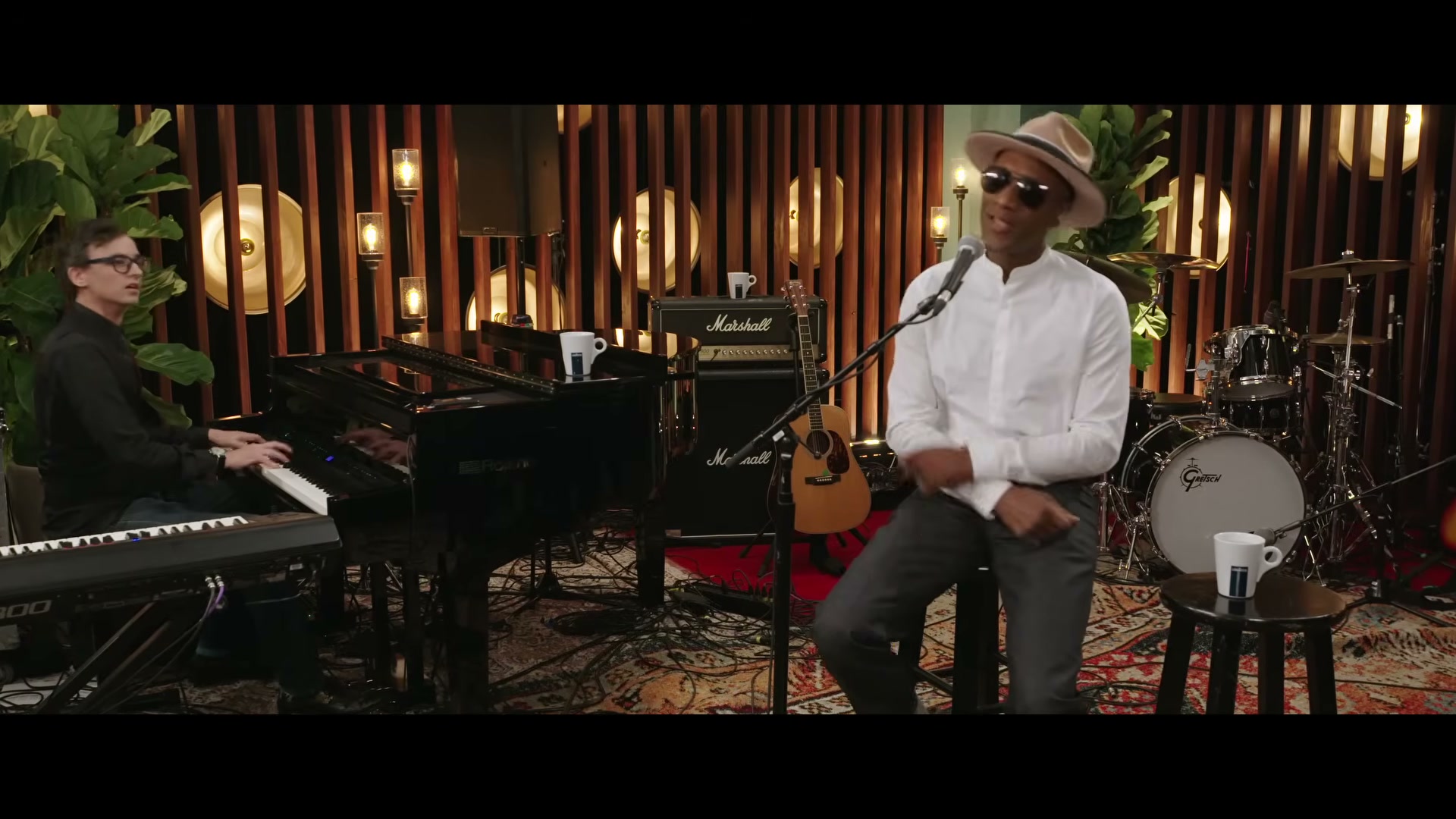
In a new segment from The AGT Music Room presented by Lavazza, Aloe Blacc paired a stirring performance with an intimate conversation about the purpose behind his music. The appearance, released alongside promotion for America’s Got Talent’s twentieth season, framed his message around resilience, ambition, and the belief that songs can help people chase lives bigger than their current circumstances.
Asked to define the kind of artist he is, the singer said labels matter far less to him than the ideas his work carries into listeners’ lives. Rather than focus on whether a record sounds like soul, pop, or dance music, he said he prefers to describe his catalog as AIM, shorthand for affirmation, inspiration, and motivation.
That philosophy, he explained, guides every session he enters and shapes the role he hopes his songs play for audiences facing uncertainty, setbacks, or doubt. His ambition is to create music that becomes the soundtrack to a person’s best life, pushing them toward goals that may look impossible from where they stand today.
He then delivered My Way, a determined anthem built on hard won experience, singing about having been sad, lost, lonely, and worn down by a world that tries to dictate too much. Yet the chorus turned those struggles into a declaration of self direction, insisting that even if faith is questioned and the road turns risky, he will continue forward on his own terms.
Throughout the performance, the song returned to images of walls falling, waters rising, and dreams surviving every obstacle, reinforcing the idea that adversity can sharpen purpose instead of ending it. The effect was both personal and communal, as his lyrics described private resolve while inviting listeners to answer back with the same promise to live their dreams without surrender.
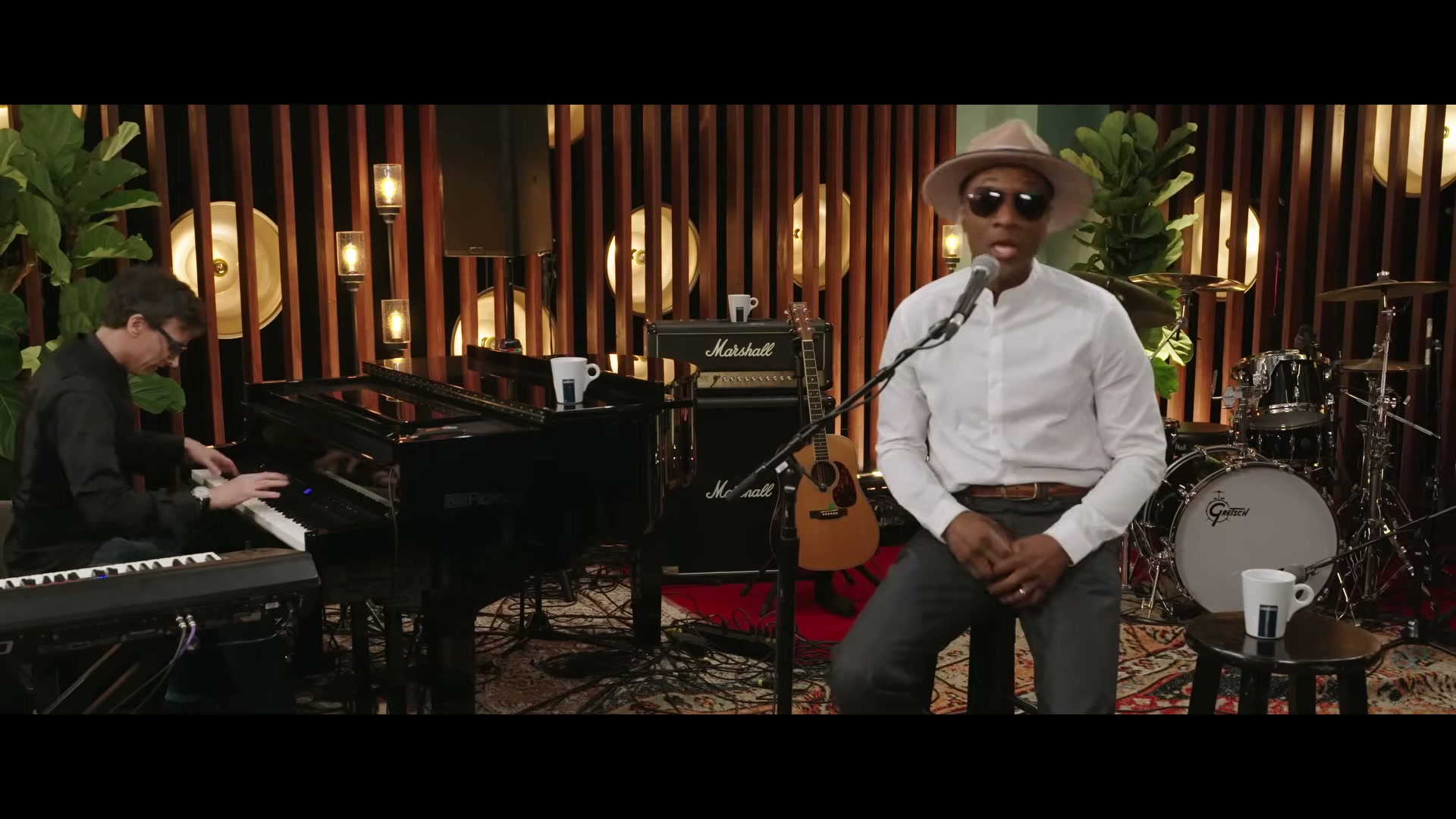
After singing, he traced his earliest inspirations to hip hop, naming Run DMC, A Tribe Called Quest, KRS One, and Nas among the artists who first pulled him into music. Later, he said, he fell in love with singer songwriters such as Joni Mitchell, James Taylor, and Cat Stevens, whose storytelling and craft inspired him to begin singing himself.
That blend of influences helps explain why his career has crossed several musical lanes, from soulful records to mainstream pop and dance collaborations that reached wide audiences. Instead of treating those shifts as contradictions, he presented them as evidence that message and emotional impact can matter more than category when an artist is trying to connect.
He also revealed that his path to recognition was slower than many fans might assume, noting that his first hit arrived when he was around thirty or thirty one years old. In that respect, he compared his story to the late Bill Withers, an artist he admires and whose success likewise came after the age often associated with early stardom.
Before music became his livelihood, he said, it existed mainly as a serious hobby, one he had pursued since childhood while imagining a very different professional future. He wrote songs in elementary school, stayed engaged creatively through the years, and then spent time building a career in business consulting inside corporate America.
According to his account, that corporate chapter included four summer internships followed by roughly two to three years of full time work before a reduction in force changed everything. When the layoff came, he decided he would keep making music until another job appeared, only to discover that the temporary plan had quietly become a lasting profession.
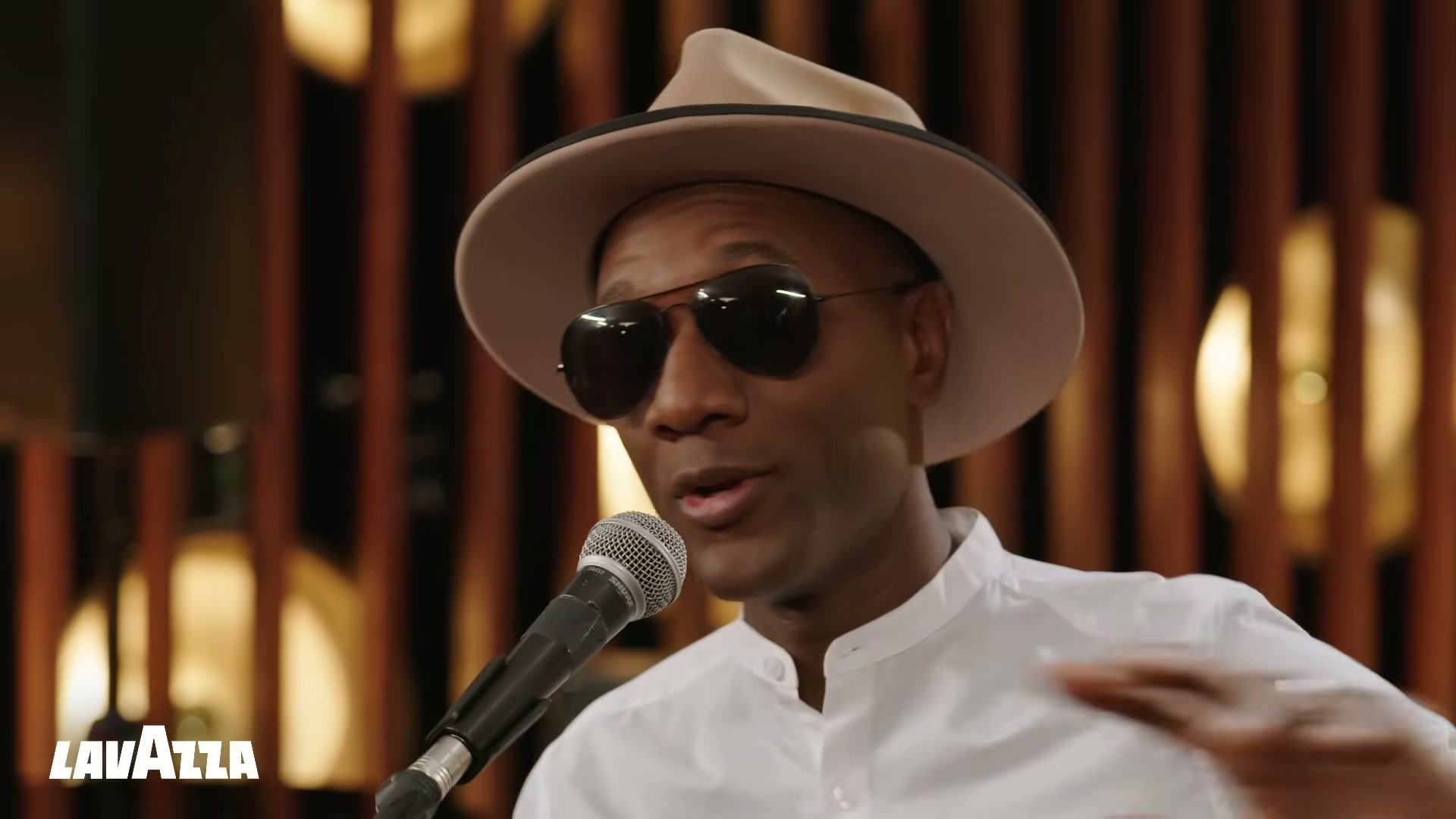
The anecdote gave the interview a practical edge, especially for viewers accustomed to stories that present entertainment careers as straight lines drawn from talent to instant success. His version was more uneven and, perhaps for that reason, more relatable: years of work, disappointment, persistence, and then an opening that demanded he take a bold leap.
When asked what he would tell musicians considering the same path, he first joked that he did not want anyone in his way, then quickly turned serious. Quoting Quincy Jones, he urged aspiring artists to study the greats, learn how masterful performers build songs, and absorb the techniques that made those records endure.
He expanded on that advice by suggesting young musicians identify ten favorite artists and think about becoming a creative combination of those influences rather than a copy of any single source. For him, that process offers both education and freedom, allowing developing performers to learn from excellence while gradually discovering a style that feels honest and distinct.
The segment itself fits into a broader rollout for America’s Got Talent as the NBC competition marks its landmark twentieth season with Simon Cowell, Howie Mandel, Sofia Vergara, Mel B, and host Terry Crews returning to guide a new round of performers. Placed within that celebratory context, the music room conversation served as more than a promotional detour, offering a thoughtful reminder that artistry on television can still make space for reflection about craft, meaning, and endurance.
What emerged most clearly was an artist intent on usefulness as much as success, someone measuring songs not only by charts or formats but by whether they help listeners imagine better mornings after difficult nights. His performance of My Way underscored that mission, turning a personal statement into a shared invitation for audiences to trust conviction, keep moving, and refuse to let defeat become the final chapter.
In an entertainment industry often obsessed with immediacy, youth, and neat origin stories, his remarks offered a calmer narrative, one in which patience, preparation, and a willingness to begin again can still lead somewhere meaningful. By the end of the session, the combination of candid biography and determined music left a clear impression: the road to recognition may arrive later than expected, but purpose, study, and persistence can transform a private passion into a public calling for audiences who need proof that ambition survives setbacks and that doing things your own way can eventually become the breakthrough itself they were seeking all.