
America’s Got Talent The Champions works best when it feels less like a routine compilation and more like a pressure test for performers audiences already remember. This highlight reel of six standout acts captures that appeal, moving across comedy, mentalism, danger, theatrical mystery, youthful confidence, and comeback energy with the pace of a variety show built for maximum reaction.
The opening stretch belongs to comedian Dan Naturman, who returns to the stage with the casual confidence of someone ready to make his lack of life change part of the joke. His material leans into aging, being an uncle, awkward reunions, and the strange ways technology has altered social life, giving the reel an easygoing start before the stakes become more intense.
Naturman’s comedy is built on recognizable discomfort rather than spectacle, which makes it a smart entry point for a Champions package. He jokes about high school reunions losing their suspense because social media already reveals what everyone looks like and what they are doing, turning a simple observation into a crowd-friendly routine.
His dating material adds another layer of generational humor, especially when he reflects on how courtship worked before texting became the default language of uncertainty. The laughs come from precision and timing rather than shock, and the judges’ reactions help frame his set as a reminder that a strong comic voice can hold its own beside flashier acts.
The tone changes with the arrival of mentalist Oz Pearlman, whose segment is introduced less as a trick and more as a story of reinvention. He reflects on leaving a stable Wall Street path to pursue mind-reading full time, positioning his return as the result of a major personal gamble rather than a simple repeat appearance.
Pearlman’s backstory underlines one of the central themes of The Champions format, which is that winning is not the only measure of impact. He did not need the original trophy to transform his career, because the exposure and credibility of the AGT stage helped turn a risky dream into a defining profession.
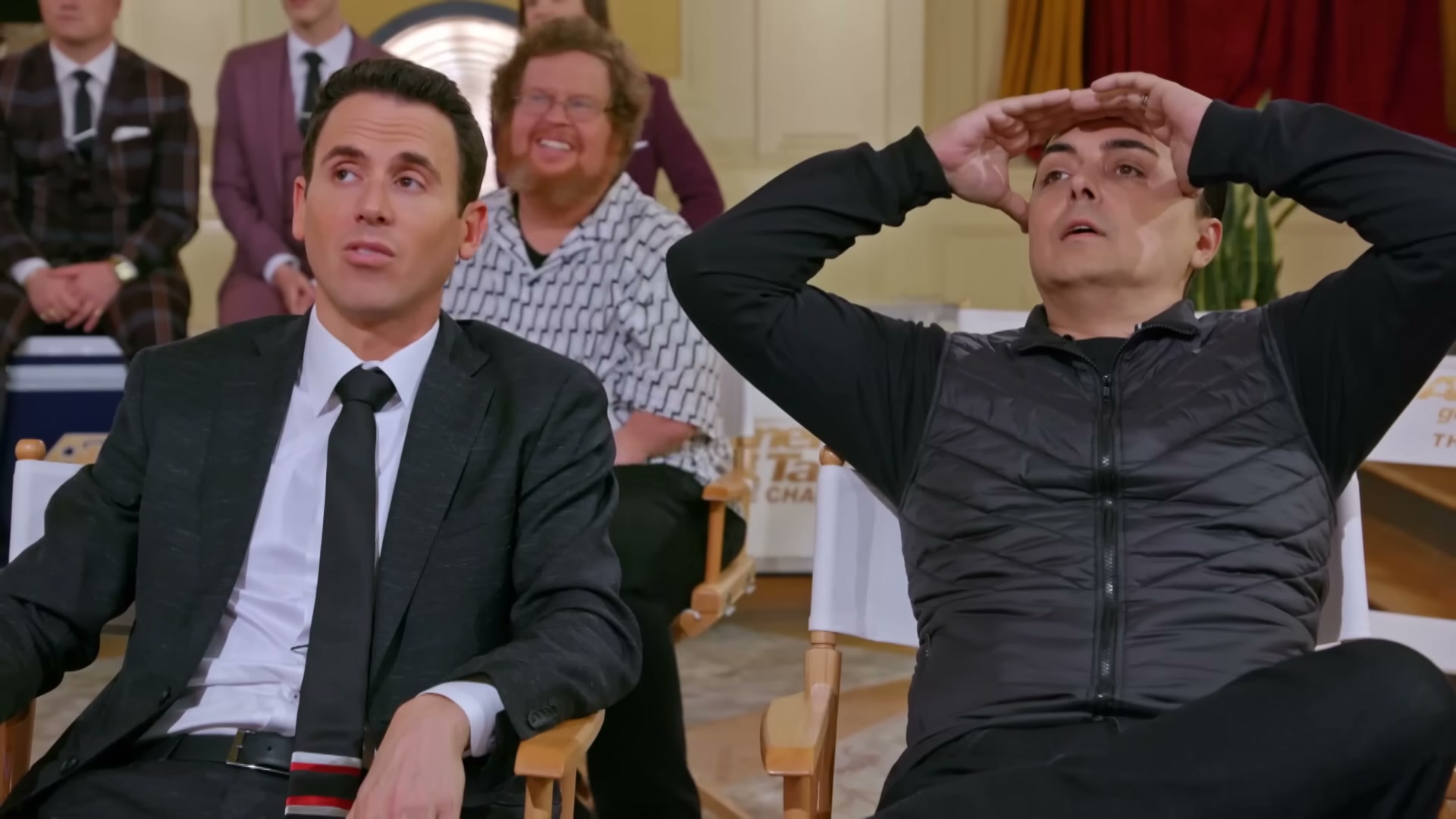
That emotional setup gives his performance added weight, since the audience is not only watching to be fooled but also to see whether his bet on himself still feels justified. Mentalism on a stage this large depends on pace, control, and audience trust, and Pearlman’s segment highlights how confidently he occupies the space between showmanship and mystery.
The reel’s broader strength lies in how it refuses to stay in one lane for long. After stand-up and mind-reading, the compilation expands into danger, comedy from different perspectives, and dramatic staging, showing how the Champions brand relies on contrast as much as individual excellence.
Ben Blaque’s inclusion brings a sense of risk that changes the room’s energy almost immediately. Danger acts succeed when viewers can feel the possibility of failure, and his presence gives the highlight reel a jolt of suspense that balances the cleaner structure of comedy and mentalism.
Ryan Niemiller adds another comedic voice, but his appeal comes from a distinct stage presence and a willingness to make personality the center of the act. His return fits the Champions idea well because audiences are invited to see not only whether he can land jokes, but whether he can build on the connection that made him memorable before.
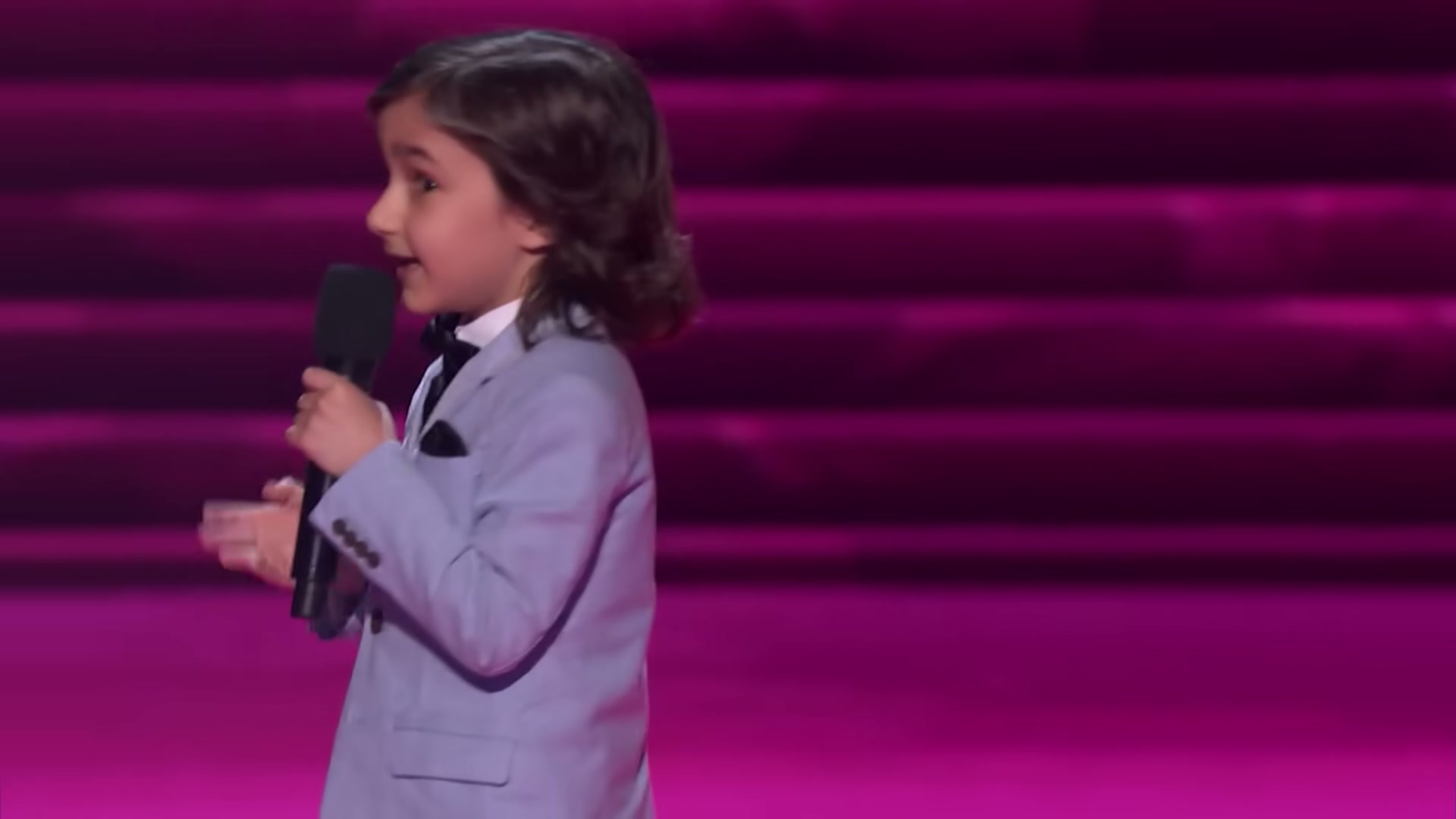
JJ Pantano brings youthful confidence to the lineup, reminding viewers that talent competitions often thrive when a performer seems both polished and unpredictable. A young entertainer facing a room full of judges, fans, and seasoned alumni carries a different kind of tension, because charisma must do as much work as technique.
Marc Spelmann’s appearance pushes the reel toward theatrical mystery and emotional performance, adding a darker and more dramatic texture to the collection. His style depends on atmosphere and reveal, which gives the compilation a sense of scale beyond straightforward variety, as if each act is trying to create a self-contained event.
Across these segments, the judges and audience function almost like a second cast. Their laughter, silence, stunned expressions, and standing ovations are essential to the editing, because the video is not just selling what happens onstage but also how powerfully the room responds to it.
That response is especially important in a Champions setting, where contestants are competing against memory as much as each other. Viewers arrive with expectations shaped by earlier appearances, so every performer has to justify being remembered while also offering something that feels fresh enough for a bigger platform.
The format also gives the acts a useful narrative frame: this is not a first audition, but a second chance under brighter scrutiny. Some performers return with sharper confidence, others with more emotional context, and all of them must face the challenge of proving that familiarity has not made them less surprising.
What makes the compilation effective is its balance between accessible entertainment and personal stakes. Naturman’s everyday observations, Pearlman’s career leap, Blaque’s danger, Niemiller’s comic timing, Pantano’s youthful command, and Spelmann’s theatrical suspense each represent a different reason audiences keep returning to the franchise.
The video also shows how AGT packages performance as a story before, during, and after the act itself. Introductions explain what the moment means, the act creates the central tension, and the judges’ reactions provide the emotional punctuation that tells viewers when they have witnessed something special.
That structure can sometimes make talent television feel heavily engineered, but in a highlight reel like this, the production choices serve a clear purpose. By moving quickly between tones, the compilation recreates the feeling of a live variety stage where no two acts ask for the same kind of attention.
The result is a celebration of performers who understand that returning to a famous stage is both an opportunity and a risk. They are not simply repeating old success; they are trying to turn recognition into renewal, which is exactly what The Champions format was designed to showcase.
Taken together, these six moments explain why the AGT universe continues to find energy in familiar faces. The best Champions performances do more than remind audiences who someone was; they argue, in real time, for why that performer still deserves the spotlight.