
A newly released Supernanny clip follows a household under pressure as a mother tries to manage three increasingly vocal daughters without losing control. The segment opens after parenting expert Jo Frost leaves the family on its own for several days, promising to monitor whether the techniques she introduced can survive ordinary routines.
Those routines quickly unravel when morning preparations trigger arguments, refusals, and raised voices across the home. Within minutes, the mother is shown attempting to organize the girls while one child protests loudly, another challenges directions, and the overall atmosphere shifts from busy to openly tense.
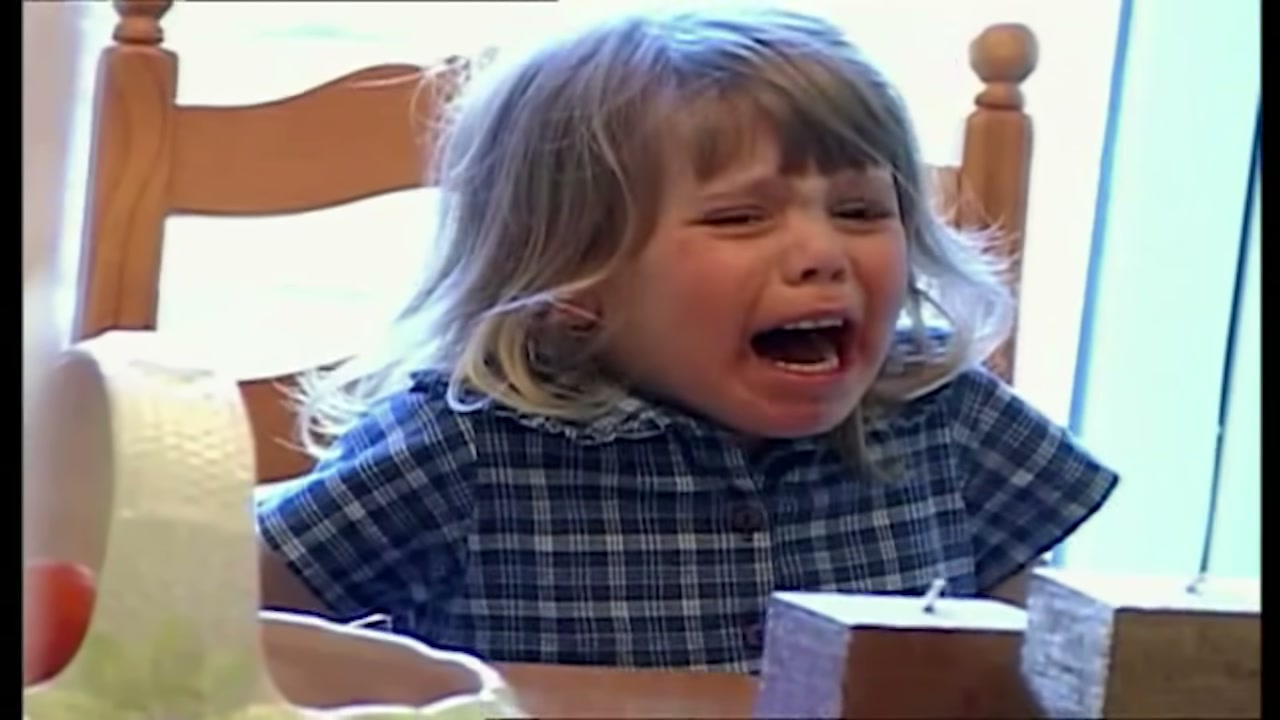
The program identifies one daughter as especially determined, noting that she knows exactly how to press her mother’s buttons and keeps doing so. The narration suggests that every instruction becomes a fresh test, forcing the parent to choose between the calm approach she was taught and the instinct to react immediately.
As the evening continues, another dispute builds into a prolonged tantrum that the clip says lasts four hours, underscoring just how exhausted everyone has become. Earlier reminders to keep calm and model steady behavior remain visible, but the advice begins to look fragile against the length and volume of the confrontation.
By midweek, the mother’s determination has clearly faded, and the children appear to sense that her patience is thinning. With one girl already sent to the reflection room, she turns to another child for not listening, yet the warning carries more strain than confidence.
The scene then captures a familiar challenge for many families featured on the series: consequences are announced, but consistency begins to slip. In frustration, the mother tells two of the girls they will not have friends over for the next week, only to meet a dismissive response that further erodes her authority.
At one point, the parent pauses long enough to acknowledge that all of her energy is being consumed by the three children and the cycle feels endless. That admission, delivered with visible fatigue, frames the clip as more than a single bad night and instead as a picture of burnout developing over time.
The report from the household does not suggest a lack of concern or affection, but rather a mounting inability to stay measured under pressure. In that sense, the clip highlights a central message of Supernanny, which has long argued that parental consistency matters as much as parental intent.
Later in the week, another play session involving the youngest daughter turns chaotic, signaling that the earlier conflicts were not isolated flare ups. The structure introduced by the expert, including a rule designed to limit time spent on discipline, is abandoned as the mother improvises punishments in the moment.
That departure from the plan becomes one of the clip’s most revealing moments, because it shows how quickly guidance can collapse without reinforcement. Viewers are left watching a parent make up sanctions on the spot, even though the entire exercise was meant to replace impulsive reactions with predictable routines.
The clip also underlines a tension often seen in reality programming about family life: advice may be clear, but implementation is rarely straightforward. Children test boundaries in real time, parents bring their own exhaustion and habits into the room, and the neat order of a coaching session can dissolve under everyday stress.
In this case, the mother’s struggle is presented not as indifference, but as a warning sign that stress can overwhelm even sincere efforts to improve. The expert’s off screen observation is blunt, saying the parent has forgotten what she was taught about staying calm, and the footage appears to support that judgment.
For regular followers of the franchise, the sequence fits a familiar pattern in which progress depends less on a single breakthrough than on repetition. Calm tones, fixed consequences, and clear boundaries are easy to endorse in theory, yet they can seem distant when a home is noisy and tempers are fraying.

The episode therefore works on two levels, as a dramatic snapshot of one difficult week and as a broader lesson about parenting under strain. It shows that children are not the only ones being tested, because adults must regulate themselves before any strategy has a chance to succeed.
Supernanny’s online presentation reinforces that mission, describing the channel as a source of practical advice on behavior, sleep, food, and toilet training. The accompanying material says the aim is to help parents feel less alone, become more confident, and develop solutions that fit their own households.
Within that context, the clip serves as both cautionary tale and reassurance, acknowledging that setbacks can happen almost immediately after expert intervention ends. It does not offer a tidy success story by the closing moments, but it does capture the reality that change in family dynamics is usually uneven.
For viewers seeking quick answers about how to stop becoming a shouty parent, the footage offers a less comfortable but more honest reply. Remaining calm requires planning, repetition, and self control, especially when children continue pushing against limits after the cameras keep rolling.
The scenes are likely to resonate with many families who recognize the pattern of promising a calmer approach, only to abandon it in a stressful moment. By emphasizing that tension rather than masking it, the program turns a domestic struggle into a relatable case study about discipline, endurance, and parental composure.
As reality television clips continue finding new audiences online, segments like this one attract attention because they pair emotional candor with clear practical stakes. The question is not simply whether the children will listen, but whether the adult can hold the line calmly enough for any lesson to take root.
In the end, the clip offers no miracle turnaround, only a stark portrait of how hard steady parenting can be when everyone is tired. That honesty may be why the moment stands out, presenting frustration, vulnerability, and the difficult work of rebuilding calm without pretending the process is easy for families.