
Supernanny opens its double episode with a family already worn down by daily uncertainty, emotional fatigue, and constant vigilance around a young boy whose autism makes supervision especially urgent. His parents are caring for energetic twin girls as well, and the competing demands have left the household disorganized, tense, and hungry for practical guidance from an expert who can restore structure, confidence, and safety before another close call happens again.
Early interviews establish the emotional stakes with unusual clarity, as the father describes the diagnosis as a moment that shook his expectations and left him openly grieving. The mother speaks in quieter but equally strained terms, saying life feels like treading water every day while trying to meet needs that never pause and worries that never fully ease inside a home that offers little calm, consistency, or room to recover.
When the parenting expert arrives, the greeting is warm but edged with relief, because both adults seem to understand they cannot continue improvising under pressure. Their three children run around her with the familiarity of youngsters seeking attention, while the adults speak hopefully about finding routines that can reduce chaos and help every child feel seen and safe within a calmer family rhythm each day at home and beyond it.
Observation begins with ordinary moments that quickly reveal deeper problems, including rushed cleanup during what should be play, fragmented conversations, and children circling their mother for connection. Rather than finding guided activities or predictable transitions, the expert sees long stretches with little stimulation, little emotional availability, and few signals that anyone is confidently steering the day toward shared goals or helping the children settle into secure expectations together at all.
The twin girls, four years old and eager to engage, emerge as an overlooked part of the family story because they repeatedly ask for attention and receive very little. They trail behind their mother, speak over one another, and look for acknowledgment in small ways, suggesting they have learned that persistence is often the only route to being noticed within a home where crisis has displaced simpler moments of nurture.
Their mother does not appear uncaring so much as overextended, moving from task to task with the clipped urgency of someone trying to prevent the next problem. Her responses to the girls are often practical rather than affectionate, and her exchanges with her son show how difficult communication has become when exhaustion shapes nearly every decision she makes about routines, boundaries, patience, and the emotional energy she can still spare.
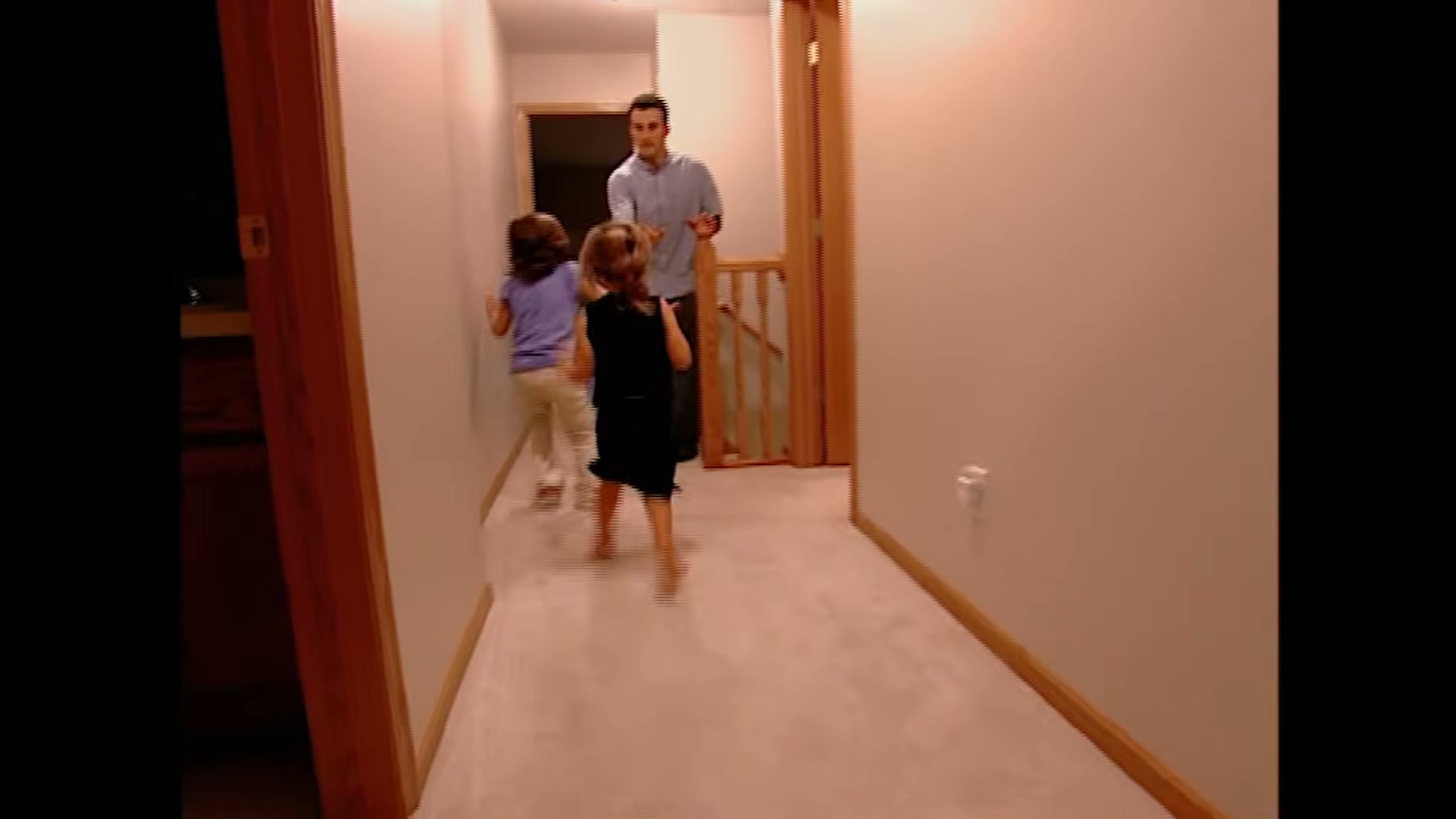
The father, meanwhile, comes across as deeply affected by the diagnosis and still processing what it means for his son and the family’s future. His comments suggest sorrow, protectiveness, and a desire to help, yet they also reveal how fear can leave parents reacting to emergencies rather than planning steadily for development and daily life with the structure and teamwork needed to keep everyone safer and less emotionally depleted daily.
The most pressing issue soon becomes impossible to ignore when the three year old heads toward the exit, driven by the wandering behavior that frightens his parents. In a household already stretched thin, that movement turns a routine afternoon into a test of attention, speed, and readiness, showing how one missed moment can become a serious safety concern for a child with limited danger awareness and unpredictable impulses near doors.
At one point he slips outside without anyone immediately realizing it, creating the episode’s sharpest jolt and validating the family’s deepest anxiety. The expert reacts at once, not with blame alone but with unmistakable alarm, because the incident demonstrates that current supervision systems are too loose for a child who may not recognize obvious risks or respond to the environment with the caution most adults naturally expect outdoors or indoors.
That close call gives context to the mother’s desperate remark that she does not know what else to do, a line that lands hard because it feels honest. Rather than sounding indifferent, she appears defeated by repetition, aware that constant monitoring has taken over family life without producing the sense of control or reassurance she needs to care for her son while also being emotionally present for the girls too.
From a journalistic standpoint, the sequence captures a collision of exhaustion, guilt, and fear that many families facing developmental challenges will recognize immediately. The parents are not portrayed as uncaring villains, but as adults whose coping mechanisms have narrowed under strain, leaving their home short on joy, planning, and the individual attention each child requires for healthy growth and a steadier sense of belonging throughout the long day ahead daily.
The expert’s early verdict centers on structure, stimulation, and safety, three themes that connect every visible problem in the house. Without clearer routines, the children drift; without purposeful engagement, the twins compete for scraps of attention; and without stronger safeguards, their brother’s tendency to wander remains an ever present threat to family stability that keeps parents anxious and prevents the home from functioning as a calm place for learning daily.
What makes the episode especially compelling is that the concerns are both dramatic and ordinary, involving a dangerous exit attempt alongside quieter patterns of neglect. Viewers see no single explosive cause behind the family’s distress, only the accumulation of too many unmet needs, too little support, and too few systems to hold the day together for three young children and two adults trying hard not to fall further behind emotionally.

The twins’ position in the story broadens the episode beyond one diagnosis, showing how siblings can be affected when parental energy is consumed by emergencies. Their bids for connection are easy to miss, but the expert highlights them as warning signs that children deprived of regular warmth and engagement may act out or simply feel invisible within family routines that prioritize survival over conversation play reassurance and patient listening daily.
Just as important, the program presents autism not as the problem itself but as a reality requiring informed parenting strategies and practical adaptation. The tension comes from the gap between the child’s needs and the household’s current capacity, a gap widened by stress, inconsistent structure, and the parents’ understandable but limiting sense of defeat when faced with repeated wandering fears and the daily demands of three preschoolers together at once.
The father’s recollection of his emotional reaction to the diagnosis adds another layer, reminding viewers that grief and love often coexist in early adjustment. His pain does not lessen his commitment, but it helps explain why the couple seems stuck between mourning what they expected and learning how to support the child they have with skills that match his communication differences and safety challenges at this early stage now daily.
Throughout the opening portion, the expert balances sympathy with urgency, acknowledging the parents’ struggle while refusing to minimize the risks in front of her. That combination gives the episode its force, because it treats the family’s situation neither as hopeless melodrama nor as a minor organizational issue that can be solved by wishful thinking alone without consistent supervision purposeful interaction and concrete changes inside the home starting immediately for everyone.
By the end of this introductory chapter, the family’s needs are sharply defined: safer boundaries for the wandering child, better routines for all three children, and more responsive parenting. The atmosphere remains heavy, but the arrival of outside expertise creates a sense that confusion can be translated into steps, and that despair does not have to remain the household’s dominant mood once practical support begins shaping each difficult day ahead.
As television, the sequence is tense and emotional; as reporting, it offers a revealing look at how family systems can erode under sustained stress. The camera captures not only a child at risk of wandering, but also parents losing confidence and sisters waiting for affection, all within a home asking quietly and urgently for intervention before harmful patterns harden further and opportunities for healthier connection keep slipping away from view.
The episode’s opening ultimately succeeds because it frames parenting struggle without simplification, showing how diagnosis, fear, fatigue, and inattention can feed one another. It leaves viewers with a clear understanding of the stakes: a little boy who needs safety, twin sisters who need attention, and parents who need tools, relief, and hope to rebuild daily life with structure patience compassion and confidence after months of instability and rising pressure thereafter.