
A tense family featured in a Supernanny clip is drawing attention for the extreme stress shaping life inside their home. The segment shows a mother overwhelmed by three young children, struggling to maintain order while leaning on harsh responses that alarm the visiting parenting expert.
In the opening introduction, the mother says she has three children aged seven, six, and four, and admits that the household feels out of control. She explains that her work as a juvenile correction officer keeps her surrounded by troubled behavior professionally, even as she feels she has too little time and too few solutions for her own family.
Each child is introduced through the mother’s frustrated descriptions, with the oldest portrayed as unusually headstrong, the middle child described as constantly provoking others, and the youngest seen as shifting quickly between sweetness and defiance. Her remarks underscore a central complaint repeated throughout the clip, that the children do not listen, do not respect limits, and seem to set the emotional temperature of the home.
Viewers then see discipline methods that the program clearly frames as outdated and counterproductive, including physical punishment, shouted threats, and one especially troubling moment involving soap placed on a child’s mouth after spitting. The scene is presented not as a solution but as a warning sign, illustrating how anger can escalate when a parent feels powerless and children answer tension with more difficult behavior.
The mother openly acknowledges that she has tried many tactics and has not found an approach that works, saying simply that family life has become very hard. That admission gives the clip much of its emotional force, because beneath the sharp commands and reactive punishments is a parent asking for help before relationships deteriorate further.
The father appears briefly and is shown as another figure of authority in the home, but the video centers primarily on the mother’s day to day battles with the children. His presence adds context to the family structure, yet it is the mother’s escalating frustration that becomes the main focus of the intervention.
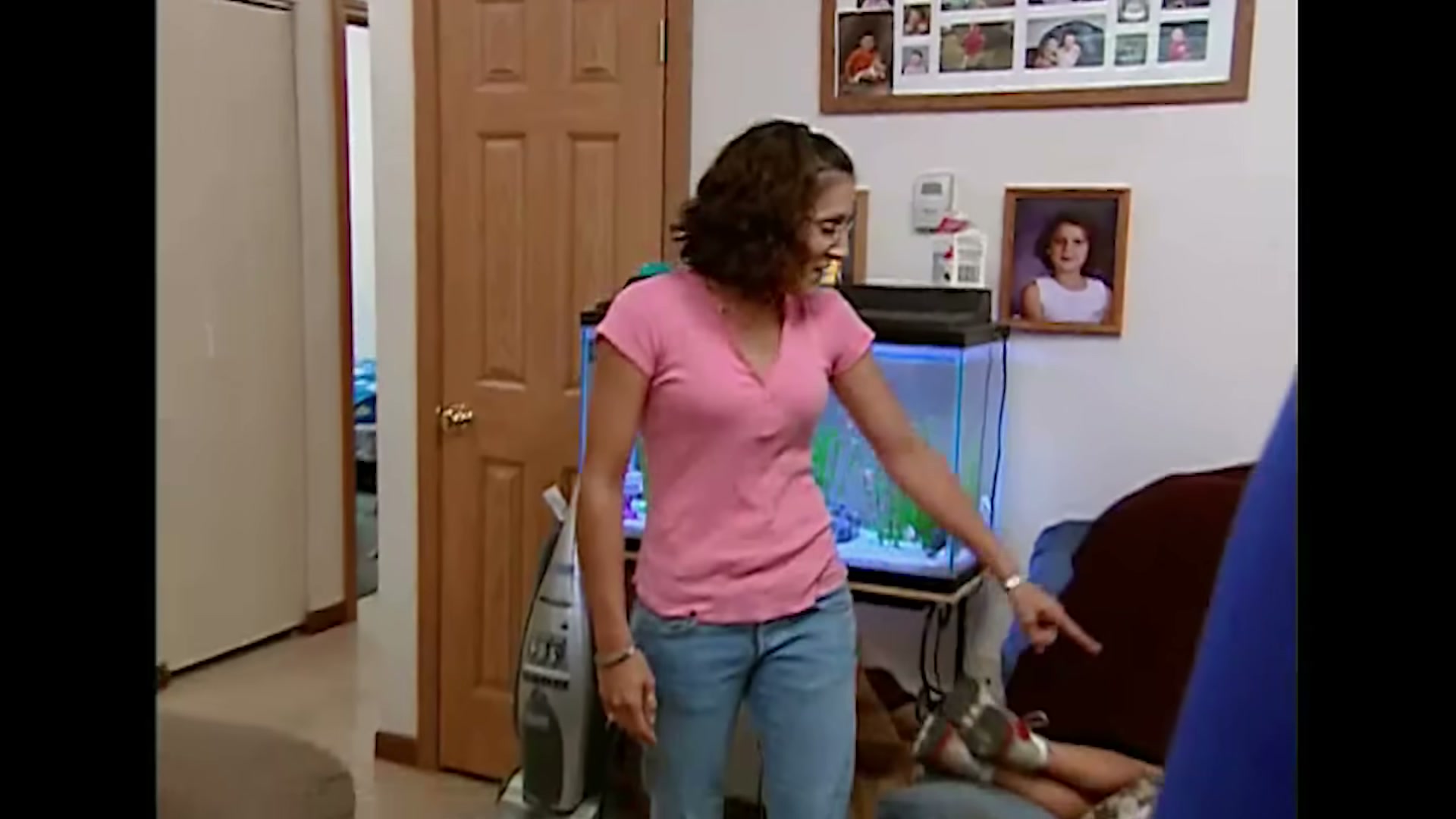
When the parenting expert arrives, the atmosphere shifts immediately, mixing relief, embarrassment, and apprehension as introductions are made and the children respond with varying degrees of shyness and energy. The mother later says she was happy to see help at the door, while also feeling scared about what the expert might observe.
It does not take long for the problems to surface on camera, as rough play, quick tempers, and arguments among the children create a noisy setting where adults struggle to stay calm. In one revealing sequence, the mother’s anger rises almost as fast as the children’s misbehavior, reinforcing the program’s point that discipline rooted in emotion often deepens a family crisis.
The expert reacts with visible disbelief to the soap incident, questioning what lesson could possibly be taught through humiliation and fear instead of clear guidance and consistent boundaries. Her criticism is sharp but measured, framing the behavior as something many people might once have considered normal, yet which modern parenting advice rejects as ineffective and damaging.
More broadly, the clip highlights a recurring theme in family programming, that children who seem unruly are often reacting to unstable routines, inconsistent expectations, and adults who have reached the end of their patience. Rather than portraying the mother as cruel, the episode presents her as exhausted, isolated, and trapped in a cycle that she no longer knows how to stop.
That balance is reinforced by the video’s description, which says the mother is using the wrong technique in a desperate attempt to educate her children. It also directs viewers to the full episode and to resources on controlling parental anger, signaling that the segment is meant to prompt reflection as well as concern.
The mother’s own words reveal how deeply discipline and frustration have become entwined in her mind, especially when she says she has not found anything that works. Such statements suggest a household living in constant reaction, where consequences are improvised, tempers are short, and children learn more about volatility than about self control.

The children, meanwhile, are shown as energetic and difficult but also very young, an important distinction in a clip filled with adult language about disrespect and disorder. Their behavior appears less like calculated rebellion than a mixture of testing, imitation, sibling rivalry, and emotional spillover from the tension surrounding them.
For the visiting expert, that distinction matters because effective intervention depends on separating children’s developmental challenges from adults’ reactions to them. The clip suggests her role will be to rebuild structure, introduce calmer discipline, and help the parents replace impulsive punishments with routines that teach responsibility.
Reality television often compresses complicated family dynamics into a few dramatic scenes, but this segment still offers a recognizable portrait of parental burnout. A working mother who manages difficult behavior for a living returns home to another demanding environment, only to discover that authority at work does not translate easily into patient parenting.
By the end of the clip, the central question is no longer whether the children are badly behaved, but whether the adults can create a calmer system that reduces conflict. The answer is left for the full episode, yet the preview makes clear that change will require more than louder commands or tougher consequences.
Instead, the program points toward strategies built on consistency, emotional control, and age appropriate expectations, themes that have long defined the Supernanny brand of practical family intervention. Those ideas are not fully demonstrated in this short clip, but they frame the segment as an argument for reform rather than punishment and for support rather than blame.
As a brief window into one family’s turmoil, the video succeeds in showing how quickly ordinary frustration can harden into harmful habits when stress overwhelms judgment. Its strongest message is simple children need guidance parents need help and homes in crisis rarely improve until someone interrupts the cycle with calmer tools consistently.