
A widely viewed Supernanny clip captures one family enduring a bedtime routine so chaotic that preparations stretch late into the evening without any sign of calm. The scene, drawn from the parenting program’s archive, shows exhausted adults negotiating, pleading, and repeating instructions as several children resist sleep and challenge every request made.
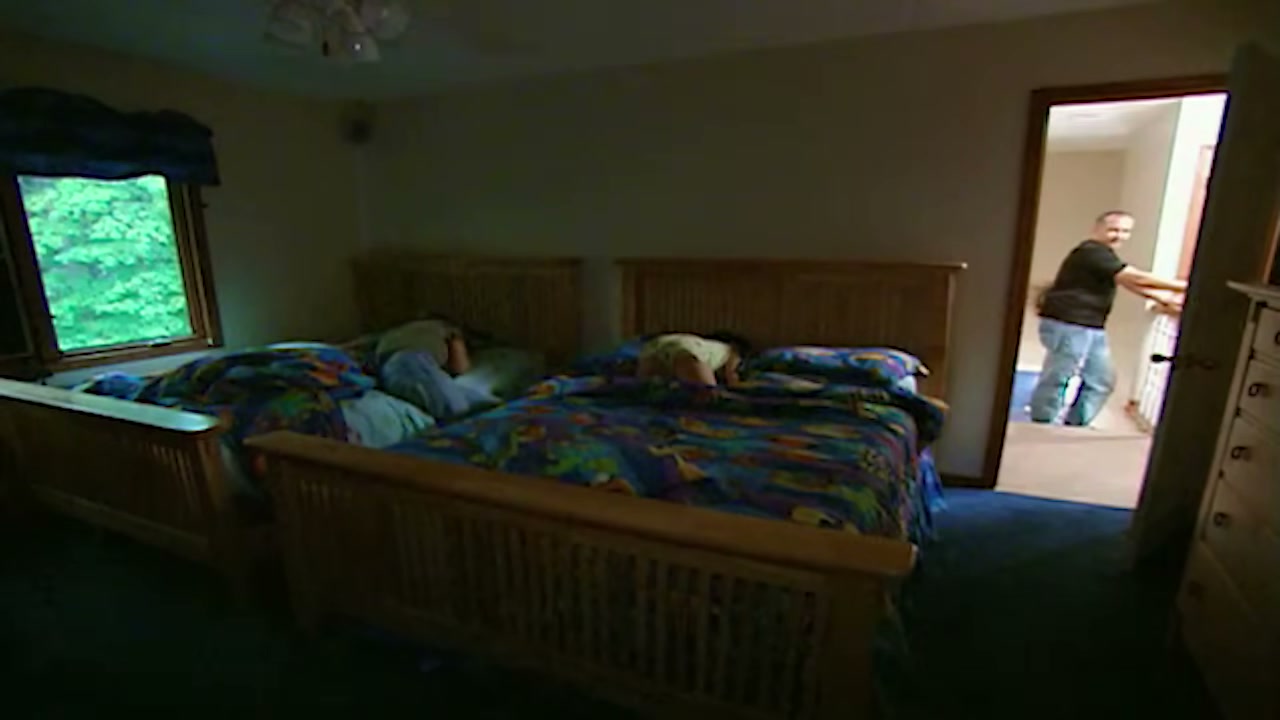
From the opening moments, the mother reminds one child that she has already spent half an hour reading, presenting bedtime as fair and settled for everyone. Instead, children continue getting up, calling out, asking for tissues, and seeking exceptions, while the father moves between rooms trying unsuccessfully to restore order before bedtime.
What begins as routine quickly turns into a prolonged standoff in hallways and bedrooms, with parents stationed near the stairs expecting another dispute at any moment. The family’s evening, according to the video, spirals as fatigue deepens, tempers rise, and simple instructions like lying down or staying put are ignored by all.
One child objects to sleeping alone, another demands attention, and interruptions multiply, leaving the mother drained and saying she no longer knows what she is doing. Her comments, paired with weary body language, underline the mental strain described in the clip, where bedtime is portrayed as physically demanding and emotionally defeating nightly.
The father fares little better, attempting to quiet one upset child while also addressing conflict between siblings, only to be pulled into fresh arguments again repeatedly. At one point, the children challenge directions directly, and the adults respond with warnings and negotiations that reveal how inconsistent authority has replaced clear routine tonight.
The most striking detail is the timescale, because the program notes that two and a half hours pass and it is still not finished by then. By ten that night there is no resolution in sight and the observer concludes that the mother appears ready to surrender simply to end the ordeal.
That assessment sets up the next day’s discussion with the show’s expert making clear that the parents need a new strategy rather than another exhausting repeat. In practical terms, the clip illustrates a common parenting trap where children learn that delaying tactics will eventually earn extra attention conversation or compromise at bedtime.
Because every protest is answered at length, bedtime expands instead of narrowing, and the adults become reactive participants in a cycle the children now expect nightly. The video description points viewers toward advice on building better routines, reinforcing the central message that consistency, teamwork, and boundaries are more effective than endless debate.
It also explains why the channel continues attracting audiences because the footage turns a familiar domestic struggle into a vivid case study of parental overload today. Many households will recognize parts of the exchange repeated requests bedtime bargaining siblings interrupting one another and parents torn between firmness and fatigue each single night.
Yet the clip’s value lies not in spectacle alone but in showing how small concessions accumulate until parents lose control of the evening altogether for hours. By the end viewers are left with a clear takeaway successful bedtime routines depend on calm structure shared follow through and limits that remain unchanged nightly.
Without those elements the program suggests children may keep testing for openings while adults grow more frustrated and the household drifts deeper into conflict and delay. With them however bedtime can become shorter steadier and less emotionally draining for parents who need rest as much as their children do each long night.
The segment never presents the family as unusual or hopeless but rather as overwhelmed caught in patterns that have been repeated too often at home already. That framing matters because it shifts attention away from blame and toward the habits responses and mixed messages that keep the nightly struggle alive for everyone.
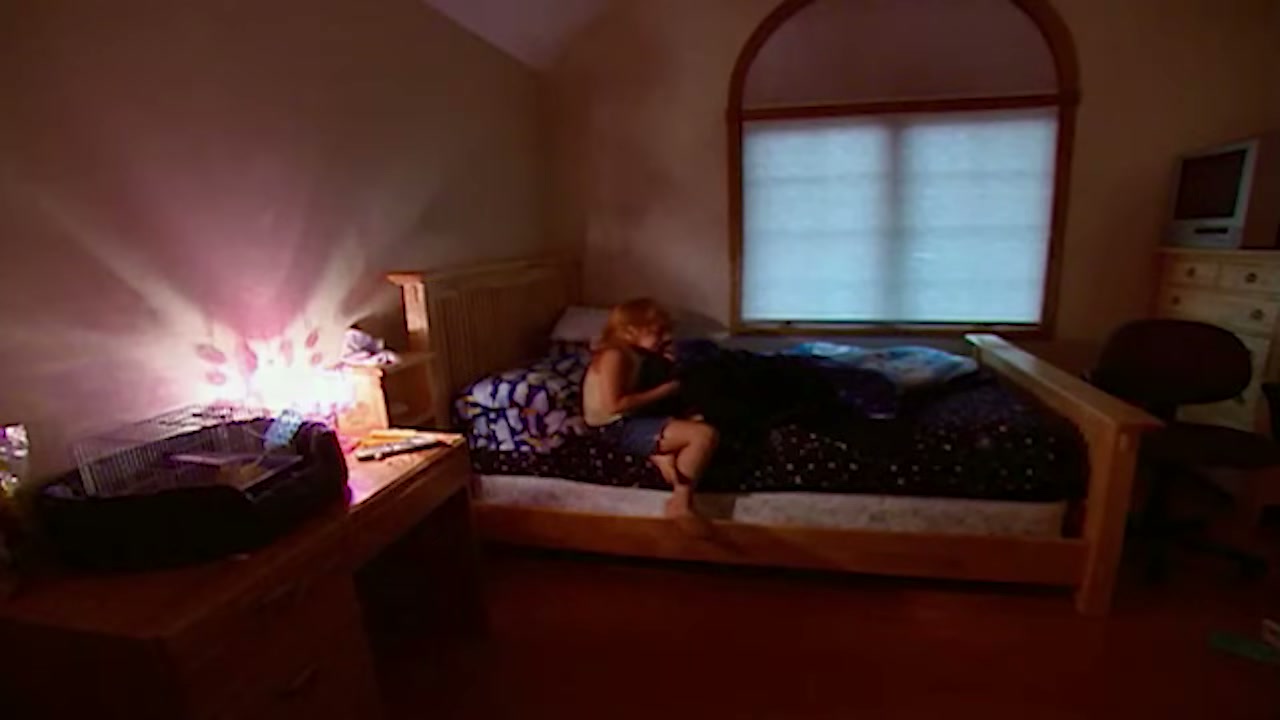
Even the smallest requests such as another tissue or reassurance about sleeping become part of the larger pattern when they interrupt a consistent end point nightly. Rather than settling the room each new exchange reignites attention making bedtime a stage for negotiation instead of a predictable transition toward sleep every single evening.
The observer’s decision to intervene the next morning hints at the program’s broader approach which favors clear plans united parenting and measurable routines for this family. That includes preparing children for bedtime expectations reducing back and forth talk and ensuring both adults reinforce the same message at the same time each night.
For viewers the appeal of the clip is partly emotional because the parents’ exhaustion is immediate and recognizable even before the expert offers advice to help. But it is also instructional documenting the consequences of unclear boundaries in real time and showing how quickly momentum can slip away during one long bedtime.
The channel’s accompanying note emphasizes practical down to earth guidance presenting the footage not as ridicule but as support for parents facing similar evenings at home. That context broadens the story beyond one household and turns a tense night into a conversation about routine teamwork confidence and parental resilience for modern families.
As shared online the clip invites a question in its description about what viewers would do encouraging reflection on discipline and structure in their own homes. Judging by the footage alone the answer begins with shortening the discussion ending mixed signals and making bedtime a process instead of an argument every night.
Until then the family’s nights appear destined to remain lengthy unsettled and draining with parents and children locked in roles none of them enjoy very much. That is precisely why the scene resonates it captures how an ordinary household challenge can swell into a marathon when structure gives way at bedtime nightly.
For a program built on straightforward solutions this bedtime battle serves as a stark example of what happens before new rules are introduced to restore calm. And for anyone watching it offers both sympathy and warning without consistency the path from story time to sleep can become unexpectedly endless in many homes.