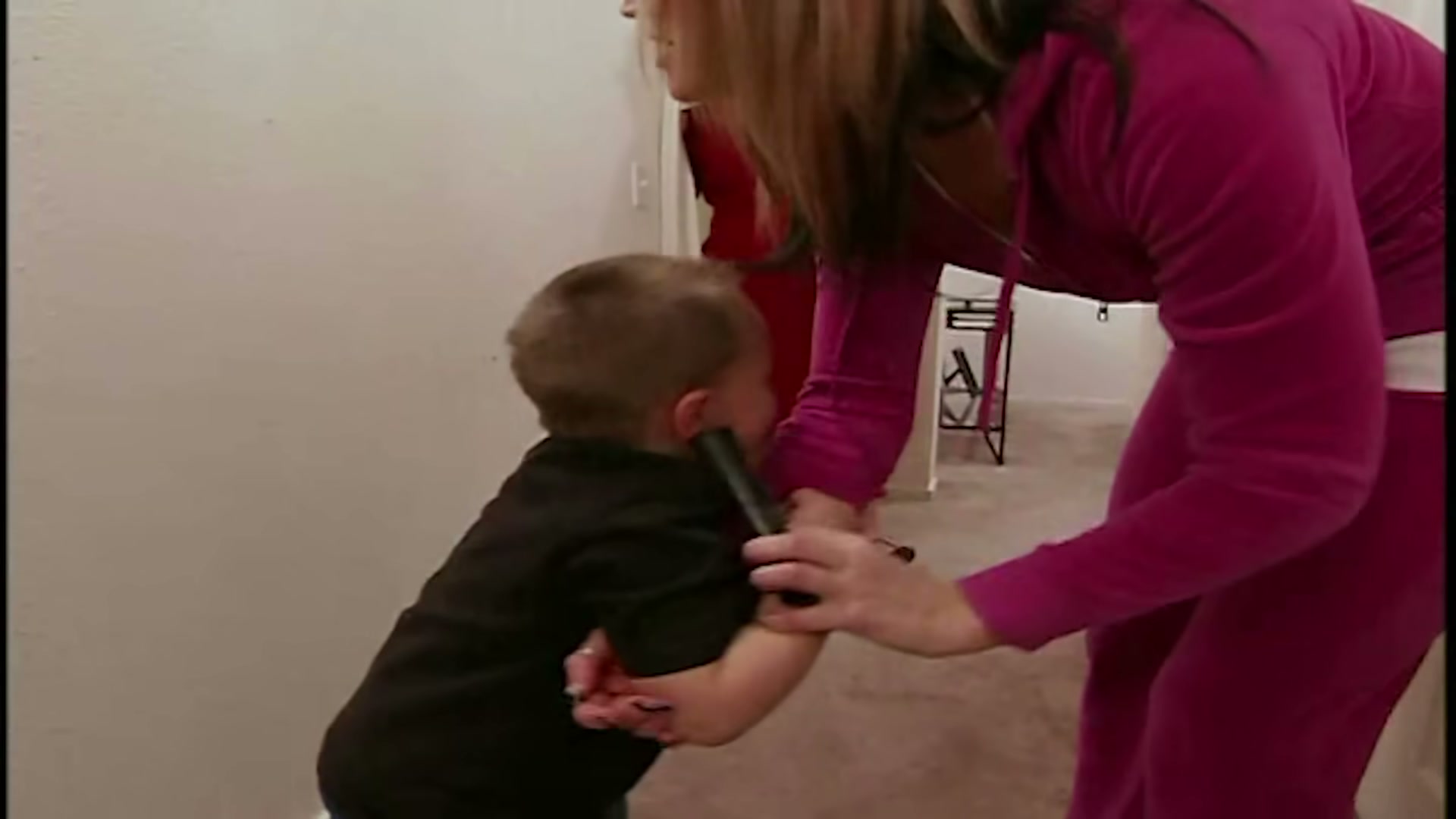
A television segment from Supernanny follows a single mother of two as she struggles to manage the increasingly volatile behavior of her three year old son, whose actions have already led to exclusion from two schools. The episode opens with the mother, who also works at a bank and attends school full time, trying to balance care for her son and his six year old sister inside a tense and noisy home.
Within minutes of the parenting expert arriving, the boy is shown darting around the room, ignoring instructions, climbing on furniture, and lashing out when frustrated, leaving his mother scrambling to contain one crisis after another. The specialist, a veteran of family intervention television, watches in disbelief as the child rejects limits, disrupts his sister, and turns ordinary moments of play into scenes of disorder that neither parent nor sibling can easily calm.
The program presents the child as highly energetic, but it quickly becomes clear that the main concern is not simple restlessness but a pattern of impulsive, forceful behavior that has begun to shape the family around him. During the early scenes he throws objects, strikes at his mother, and persists after warnings, showing a level of escalation that the expert says cannot be handled by casual reminders alone.
The mother explains that the first signs of trouble appeared when her son was about fifteen months old, but that the challenges intensified sharply after he turned three and began having more frequent confrontations at home and at school. She says staff members also noticed the behavior, and the preschool removals described in the episode have left her worried about what repeated rejection at such a young age could mean for his future.
One revealing moment comes when the mother tries to spend a quiet stretch coloring with her daughter, hoping to lower the tension, but the boy responds by interrupting and using a toy in a way that hits his parent. Instead of moving directly to a consequence, she removes the object and offers a warning, a response the expert believes only leaves space for another outburst to follow moments later.
That pattern, the specialist argues, is central to the family crisis because the child appears too overwhelmed in the heat of the moment to absorb repeated verbal correction, making a stronger and more immediate intervention necessary. She tells viewers that a one strike and you are out approach, designed to remove him from the situation quickly and let him cool down, may work better than extended debate.
A later trip outside underscores a second problem that goes beyond tantrums: the mother has little practical control when both children move away from her at once, especially in an open and unpredictable environment. As they head toward a playground, the children run ahead down the stairs, ignore calls to stop, and the younger child darts toward the street, prompting the expert to question whether anyone is really listening to basic safety instructions.

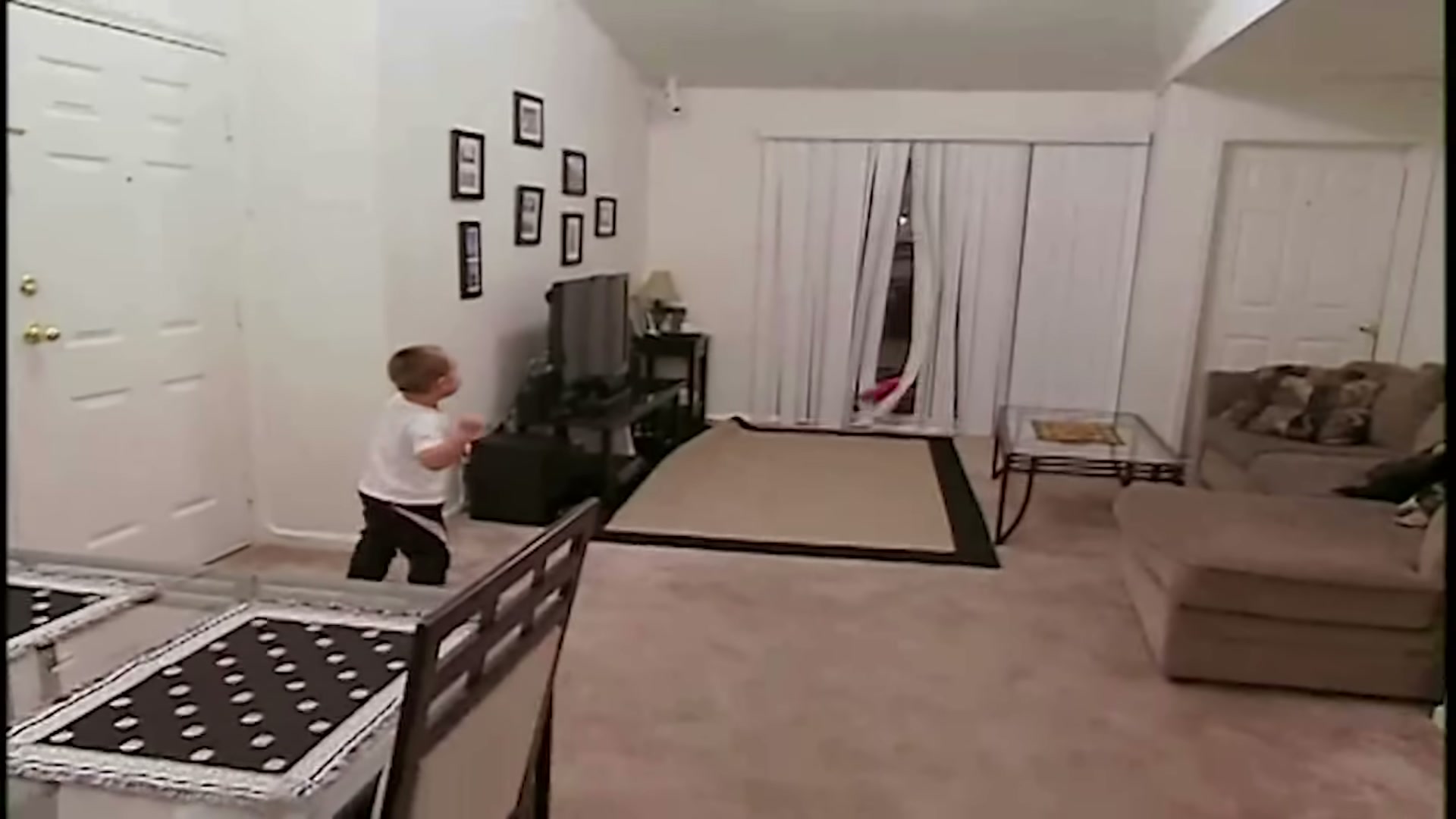
At the park, the specialist continues observing as the boy grabs rocks despite being told not to, creating another situation that could endanger other children and forcing his mother to cut short the outing. Even when she gets him back into the house, the challenge does not end, because a broken safety latch allows him to bolt outside again, illustrating how discipline problems are compounded by an environment that is not set up to support it.
The episode also focuses on the emotional toll of single parenthood, with the narrator figure acknowledging that raising children alone can make discipline especially difficult when there is no partner sharing the constant work of supervision. The mother is seen attempting to prepare meals, keep both children settled, and enforce rules all at once, a combination that often leaves her reacting to trouble instead of shaping behavior before it spirals.
One dinner table moment becomes particularly telling when the boy suddenly throws food and his mother, rather than responding with firmness, laughs in a way that the expert clearly interprets as undermining her own authority. For the specialist, the brief reaction highlights how mixed signals can confuse a child who already struggles to separate acceptable conduct from behavior that carries real consequences.
Seeking to understand what lies behind the outbursts, the expert sits down with the child and asks him about his actions, including whether he knows his mother feels upset when he throws food or behaves roughly. His answers suggest a troubling mix of awareness and confusion, as he identifies the behavior as naughty yet also says he was sad and believed his mother was being unkind, revealing feelings he cannot express in healthier ways.
That exchange becomes one of the program’s most important moments, because it reframes the child not simply as disruptive but as a preschooler who appears flooded by emotion and badly in need of clear guidance. The expert says she cannot help feeling sympathy for him, arguing that someone must teach him how to behave differently before the pattern hardens and begins to define the rest of his childhood.
The camera then follows the family’s evening routine to a gym where the mother regularly goes for workouts while the children stay at an on site club, a schedule she says happens most nights each week. The revelation surprises the expert, who appears to question whether leaving for a two hour session during such an unstable period is the best use of time when the household clearly needs consistent structure and deeper intervention.
Although the clip ends before a full transformation is shown, the episode is framed around the expectation that practical strategies, stricter follow through, and calmer parental leadership can begin to reverse the downward spiral. The specialist’s role is presented not as punishment for punishment’s sake, but as a way to create predictability for a child who seems unable to regulate himself and for a mother who is exhausted by constant conflict.
For viewers, the appeal of the segment lies partly in its stark portrayal of a family at breaking point, but also in its insistence that extreme behavior in very young children should be addressed early rather than dismissed as a phase. By documenting school exclusions, unsafe incidents, and moments of emotional misunderstanding, the program builds a case that intervention is not only possible but urgent when routines, limits, and emotional coaching are missing.
The episode also reflects a broader theme that has defined many family advice programs: behavior rarely exists in isolation, and improvement depends on changing the responses, environment, and expectations surrounding the child. Here, the mother’s stress, the sibling dynamics, the lack of consistent consequences, and simple household issues such as the broken door latch all combine to create a setting where every problem quickly grows larger.
As distributed online with promotional material inviting audiences to watch more dramatic parenting interventions, the clip serves both as entertainment and as a cautionary snapshot of a child whose needs are not being met by the current system around him. Its strongest message is that aggressive behavior in toddlers may look chaotic on the surface, but beneath it often sit fear, sadness, inconsistency, and a pressing need for adults to respond with clarity, safety, and sustained support.
What makes the case especially striking is the boy’s age, because many of the behaviors shown on screen, from school removal to dangerous running and deliberate rule breaking, are appearing years before most families expect such severe conflict. The expert repeatedly emphasizes that without intervention the child may be misunderstood by teachers, peers, and future caregivers, while his sister may continue adapting to a home life in which attention is pulled toward crisis instead of shared routines, reassurance, and ordinary childhood stability for her and her mother alike in the years ahead.
In that sense, the segment is less about sensational moments than about an early warning sign, showing how untreated emotional distress and inconsistent boundaries can rapidly become a family wide emergency even before kindergarten begins. By the time the camera leaves, viewers have seen enough to understand why the specialist was called in, and why her central prescription is simple: firm limits, immediate follow through, safer surroundings, and far more intentional time devoted to teaching the child how to cope with frustration, disappointment, and correction in healthier daily ways at home.