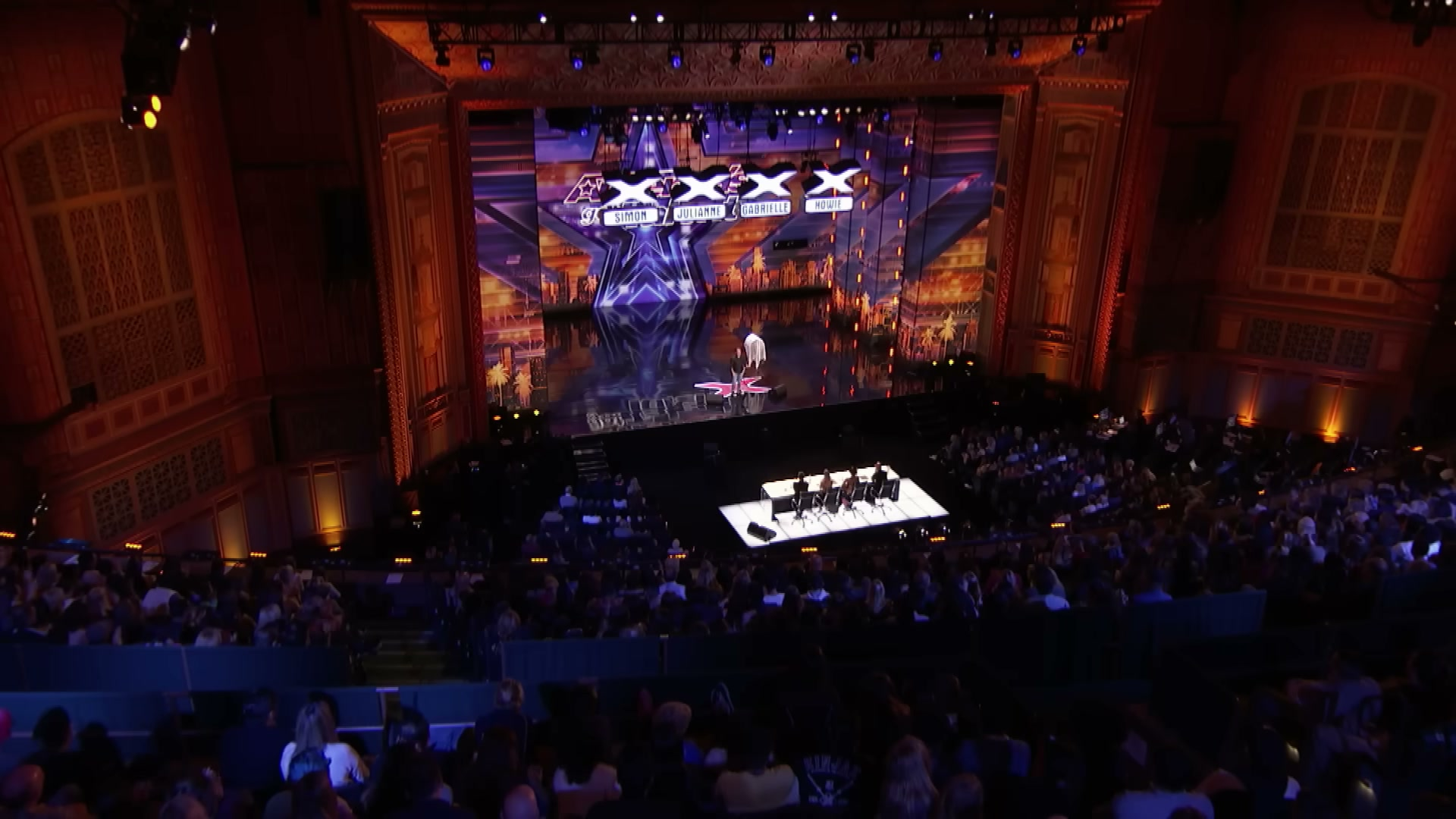
A Philadelphia performer turned a routine animal introduction into one of the more unexpected comedy moments of the season, bringing a trained bird of prey onto the America’s Got Talent stage and pairing the entrance with quick ventriloquist banter. What began as a cautious setup about safety and nerves soon unfolded into a playful exchange that earned loud laughter, warm praise from the judges, and enough support to send the act through to the next round.
Before stepping in front of the cameras, the performer introduced himself as a bird trainer who specializes in birds of prey, explaining that the animal he brought was both beautiful and potentially dangerous because of its beak, claws, and wingspan. He said years of work had created a bond strong enough to attempt unusual material, but he also acknowledged that a loud television studio can unsettle even a highly trained raptor.
That tension was part of the audition from the start, as he admitted there were real risks whenever a bird of prey feels threatened, especially under bright lights, moving cameras, and the noise of a live audience. Moments before unveiling the bird, he told the room he had two goals for the night, to make the audience and judges laugh and to make sure everyone stayed safe.
Asked by the panel where he came from and what he did for a living, the contestant said he was from Philadelphia, Pennsylvania, and had held many jobs, though exotic bird training had remained a constant throughout his working life. The judges listened with curiosity, then prepared for what sounded like a traditional animal act, while the performer gently requested a quieter atmosphere so the bird would not be startled at the outset.
When the cage covering came off, the act took its first surprise turn, revealing a large owl named Willie perched beside the trainer and immediately drawing a wave of excited applause from the crowd. The performer introduced the bird and invited the audience to greet him, creating a calm, friendly opening that helped shift the room from apprehension to fascination as the owl appeared composed under the stage lights.
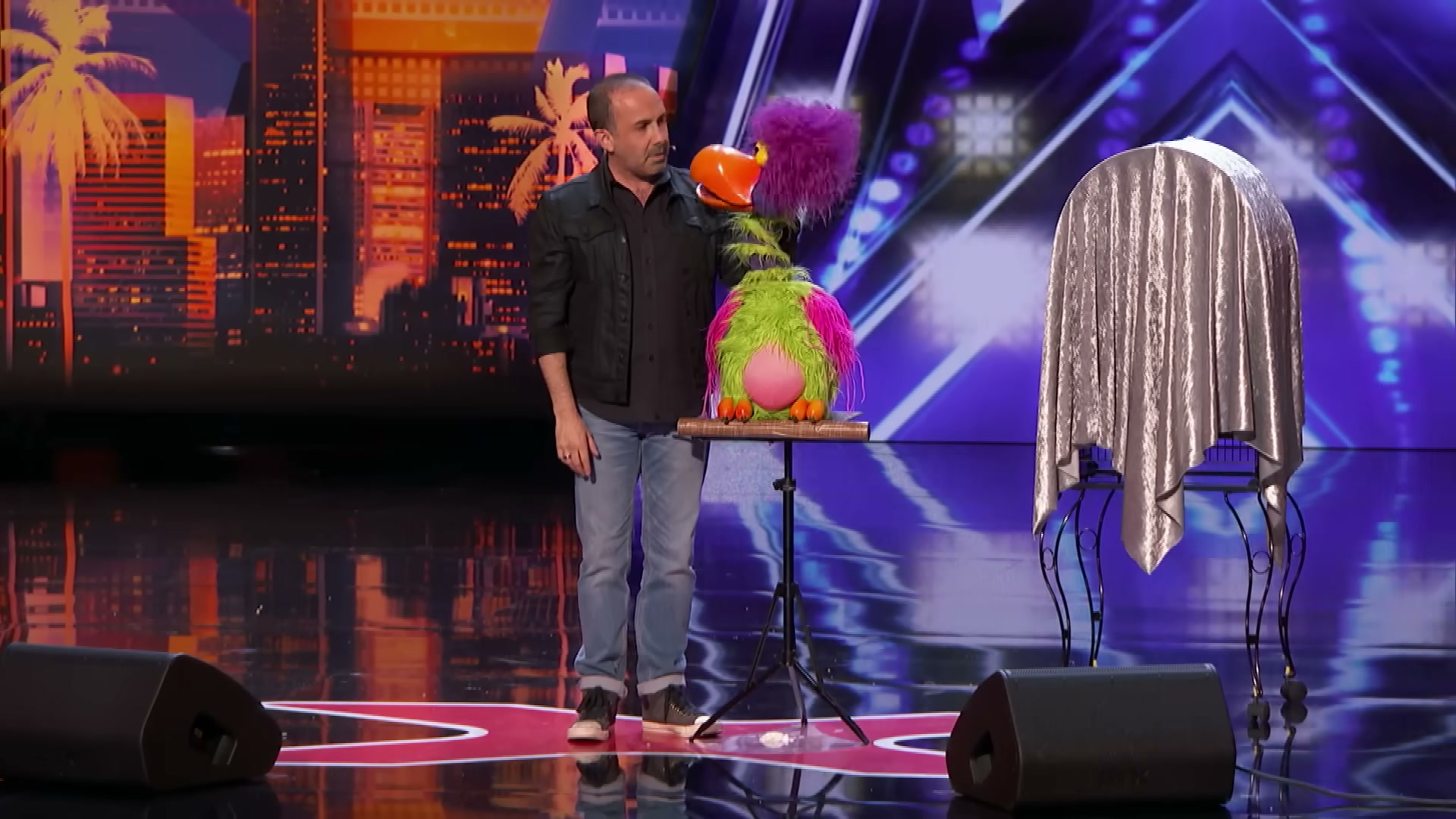
He then framed the owl as an animal that may seem docile in captivity even though it is known in the wild as a bird of prey, setting up the contrast between danger and comedy that drove the entire routine. The mood changed again when the bird began speaking in a comic voice, instantly revealing that the act was not simply animal handling but a ventriloquist performance built around a sharp, opinionated avian character.
From there, the exchange turned into a series of punch lines, with the owl joking about his identity, teasing his handler, and claiming that imitation was what his species did best. The material relied less on elaborate staging than on timing, with the handler serving as the straight man while the bird delivered interruptions, misdirection, and quick retorts that kept the audience engaged.
A highlight came when the owl insisted he could do impressions, prompting a string of pop culture references that invited the judges and crowd to guess the targets while enjoying the absurdity of hearing them from a raptor. The routine moved briskly from one recognizable persona to another, using simple clues and familiar phrases to create broad appeal rather than niche humor, a choice that made the act accessible across generations.
One judge later summed up that reach by saying her young son would love the performance, while adults in the theater were laughing just as hard, a balance many novelty acts struggle to achieve. That response reflected the audition’s unusual strength, as it blended the visual intrigue of an exotic bird with the familiar mechanics of stand up comedy and ventriloquism.
Another judge said she was laughing hysterically and described the act as enormous fun, praising both the originality of the presentation and the performer’s ability to use his bird partner as more than a prop. She added that the audition might have changed his life, a comment that captured how decisively the act exceeded expectations after first appearing to be a standard animal demonstration.
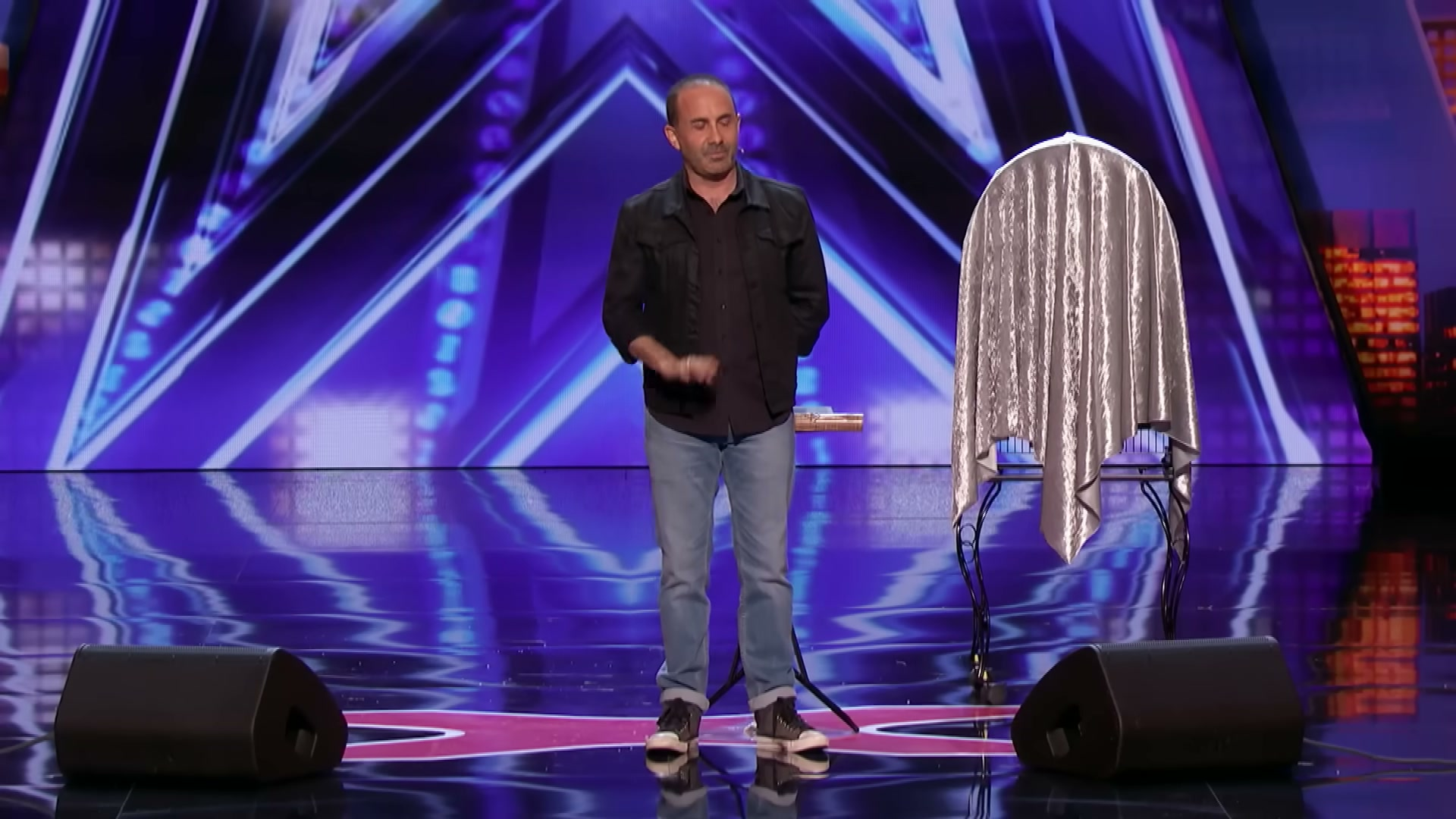
A third judge, who acknowledged that this kind of performance had not usually been her preference, said the contestant had converted her completely, comparing the surprise to discovering a new favorite spread. The remark underscored the wider impression left by the act, which took a familiar talent show category and refreshed it through character work, restraint, and an unusual central partnership.
When the time came for the formal vote, the judges offered clear approval, starting with an enthusiastic yes from the creator and executive producer, then continuing with support from the rest of the panel. Their decision sent the performer and his owl onward in the competition, capping an audition that had successfully balanced suspense, animal presentation, and accessible comedy in front of a national audience.
The moment also fit neatly within the broader mission of the fourteenth season, which showcased a wide array of contestants on NBC as the series continued its long running search for standout talent and a one million dollar prize. That context mattered because the act demonstrated exactly what the program values, not only technical skill but also originality, showmanship, and the ability to connect instantly with viewers and judges alike.
Hosted that season by Terry Crews and judged by Simon Cowell, Howie Mandel, Gabrielle Union, and Julianne Hough, the show had already built its reputation on unexpected combinations, but this audition still managed to stand out. By uniting the trained stillness of a predator with the lively rhythm of ventriloquist comedy, the performer offered a reminder that surprise remains one of television’s most valuable currencies.
For viewers, the audition turned uncertainty into laughter while preserving the wonder created by a rare stage animal. For the show, it proved talent can emerge from sharp timing, careful training, and an unexpected comic partnership.