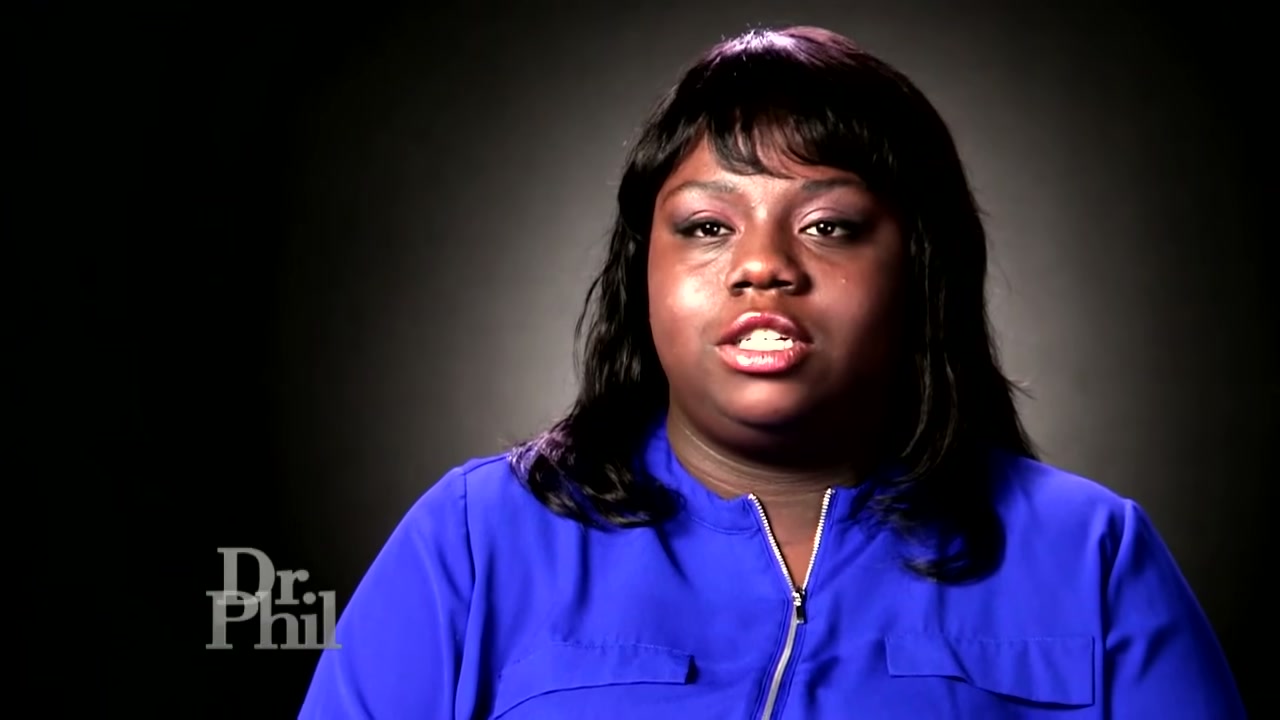
A recent Dr. Phil segment examined the frightening home life of a couple living with the aftermath of severe childhood trauma.
The discussion centered on a woman whose girlfriend experiences intense night terrors, flashbacks, and episodes that can place both of them in danger.
The segment opened with the survivor describing how real her nightmares feel when they take over. She said the experiences can leave her feeling trapped inside the moment, unable to separate the present from memories of what happened years earlier.
Her girlfriend then explained what those nights look like from the outside, painting a picture of fear, confusion, and constant vigilance. She said the episodes happen so often that bedtime has become less about rest and more about preparing for a possible crisis.
According to the girlfriend, the night terrors are connected to the survivor’s history of childhood captivity and abuse. Rather than appearing like ordinary bad dreams, the episodes can resemble a person reliving trauma while still asleep.
The girlfriend said she has seen her partner speak, move, and react as though she is back in a terrifying situation. She described feeling helpless because the person she loves is suffering, yet any attempt to intervene can make the danger worse.
One of the most difficult parts, she explained, is that she cannot simply wake her partner or comfort her with touch. During some episodes, the survivor may become defensive or physically reactive because she is not fully aware of where she is or who is nearby.
The girlfriend said there was at least one moment when she was attacked during an episode, including being choked before her partner became aware. She made clear that she does not view the behavior as intentional, but the risk still changes how she must respond.
Dr. Phil paused the conversation to help explain the distinction between nightmares and night terrors.
He noted that nightmares generally occur during REM sleep and are more likely to be remembered, while night terrors can happen outside that stage and may leave the person with little or no recall.
He described night terrors as episodes that can include panic, shouting, thrashing, walking, or other physical behaviors while the person is still asleep. That explanation gave context to why the girlfriend’s attempts to wake or restrain her partner could escalate the situation rather than stop it.

The segment emphasized that trauma symptoms do not always remain inside a person’s thoughts or memories. In severe cases, the body can respond during sleep as if danger is still present, even when the person is physically safe at home.
For the girlfriend, the nightly routine has become a form of risk management. She said she has to “baby proof” the house before bed, removing sharp objects and trying to reduce anything that could be used accidentally or cause injury.
That phrase captured the emotional burden of the situation, because she is not caring for someone who is careless or irresponsible. She is trying to protect an adult partner whose nervous system can enter a state of alarm without warning.
The girlfriend said her partner sometimes moves around with her eyes open while still asleep. That detail adds to the fear because the survivor may appear awake, yet remain unable to understand her surroundings or respond normally.
In such moments, the girlfriend must quickly decide whether to keep her distance, block access to hazards, or try to guide the situation without touching her. Each choice carries risk, especially when panic and confusion are already driving the episode.
The most alarming example involved the survivor getting into the shower while asleep and remaining under extremely hot water for hours. By the time the situation was discovered, the water had caused painful blisters, showing how dangerous these episodes can become.
That incident stood out because it showed the risk is not limited to conflict between the two women. The survivor can also unknowingly harm herself while asleep, with no awareness of pain or danger until after the episode ends.
Throughout the segment, the girlfriend spoke with a mixture of fear, exhaustion, and concern. She seemed deeply committed to helping her partner, but also honest about how difficult it is to live with symptoms that can erupt almost every night.
The survivor’s account also highlighted how trauma can continue shaping daily life long after the original abuse has ended. Even in a loving relationship, reminders of past harm can surface in ways that feel uncontrollable and frightening.

The program did not present the issue as a simple matter of willpower or attitude. Instead, it framed the episodes as serious symptoms that require understanding, safety planning, and professional support.
That distinction matters because partners and families can sometimes misread trauma responses as deliberate behavior. The girlfriend’s story showed how compassion can exist alongside fear, and how love alone may not be enough to keep everyone safe.
Dr. Phil’s explanation helped viewers understand why common advice, such as shaking someone awake, may be unsafe during a night terror.
When a person is disoriented and physically active, sudden contact can be interpreted as a threat.
The segment also raised a broader question about caregiver strain in relationships affected by severe trauma. The girlfriend is not only a romantic partner but also a nightly monitor, protector, and first responder in her own home.
That role can be emotionally draining, especially when there is no predictable pattern or easy solution. Sleep becomes fragmented, anxiety builds before nightfall, and the home must be repeatedly prepared for hazards.
At the same time, the survivor’s suffering remains at the center of the story. Her episodes are not acts of aggression in the ordinary sense, but symptoms of a mind and body still responding to past terror.
The girlfriend’s decision to speak publicly appeared rooted in a desire for help and understanding. By describing the night terrors in detail, she showed how trauma can affect not only the person who endured it but also the loved ones trying to support recovery.
The segment’s emotional force came from that dual reality. One woman is trapped in terrifying experiences during sleep, while the other is awake beside her, trying to prevent injury without making the episode worse.
The discussion ultimately underscored the need for specialized trauma care, sleep evaluation, and practical safety planning. When night terrors become frequent and dangerous, professional guidance can be essential for protecting both the survivor and the people around her.
It also reminded viewers that severe trauma symptoms deserve to be treated with seriousness rather than spectacle. Behind the shocking details is a couple facing a painful reality, one that calls for empathy, careful intervention, and sustained support.