
A Britain’s Got Talent audition often promises surprise, spectacle and the possibility of a life changing moment, but some performances arrive with a purpose that reaches beyond the stage. That was the case when Five Star Boys, a dance group made up of five boys aged between 10 and 12, stepped into the spotlight and turned their audition into an emotional statement about confidence, friendship and the right to love what you love.
From the moment they walked out, the group carried the familiar mixture of nerves and excitement that marks many young performers on a major television stage. They introduced themselves with youthful enthusiasm, but it quickly became clear that their appearance was not only about showing polished choreography or winning approval from the judges.
Asked about who they were and why they had come to audition, the boys explained that they wanted to “spread the word for boys who dance.” That simple statement gave the performance an immediate emotional frame, because they were not presenting dance as a hobby to be defended, but as a passion they believed deserved respect.
The conversation before the routine revealed that some of the boys had faced bullying and dismissive attitudes because of dance. Rather than letting those experiences define them negatively, they brought them into the audition as part of a wider message about resilience, support and being proud of a creative identity.
That honesty changed the atmosphere in the room before a single step had been performed. The judges and audience were no longer waiting only to see whether the group could dance well, but also to witness how five young performers would transform personal hurt into something expressive and hopeful.
Their chosen song, “You Will Be Found,” carried a message that matched the story they had already shared. With lyrics associated with loneliness, connection and the discovery that no one is truly invisible, the music gave the routine a strong emotional spine and allowed the boys to explore vulnerability without losing strength.
The choreography was lyrical and carefully shaped, relying not on flash alone but on feeling, timing and group trust. The boys moved with a tenderness that reflected the song’s message, using gestures of reaching, lifting, supporting and gathering together to suggest what it means to be seen by others.
There were moments when individual dancers seemed isolated, creating a visual sense of loneliness or uncertainty. Those images were then answered by the rest of the group, who moved toward them and folded them back into the collective, making friendship and acceptance central to the storytelling.

Technically, the routine showed discipline beyond the group’s years. Their lines, transitions and group formations suggested serious training, while their control allowed the emotional content to remain clear rather than becoming overwhelmed by effort or nerves.
What made the audition especially powerful was the balance between polish and sincerity. The boys did not appear to be simply acting out a message given to them by adults; instead, they seemed to be dancing from a place they understood, which gave the performance an authenticity that resonated across the theatre.
As the routine unfolded, the judges’ reactions became an important part of the moment. Their faces showed visible emotion, and the camera captured tears and stillness as the performance reached its most affecting passages.
The audience also responded with warmth, watching the group not only as young contestants but as messengers for children who may feel judged for being different. In that sense, the performance expanded beyond a dance audition and became a public affirmation for boys who choose the arts despite pressure to conform.
When the music ended, the atmosphere suggested that the room had been moved by more than technique. The applause felt like recognition of both the performance and the courage it had taken for the boys to speak openly about being mocked or underestimated.
The judges’ comments reflected that blend of admiration and emotion. They praised the routine as sensational, stunning and beautifully presented, while also emphasizing the importance of the message behind it.
For young dancers, especially boys who may encounter outdated ideas about what they should or should not enjoy, such praise carries weight. A national platform can turn a private struggle into a shared conversation, and the judges’ response helped validate the boys’ reason for being there.
Simon Cowell’s reaction gave the audition one of its clearest marks of approval. Calling it the best audition of the day, he recognized not only the quality of the routine but also the way the group had connected with the room.
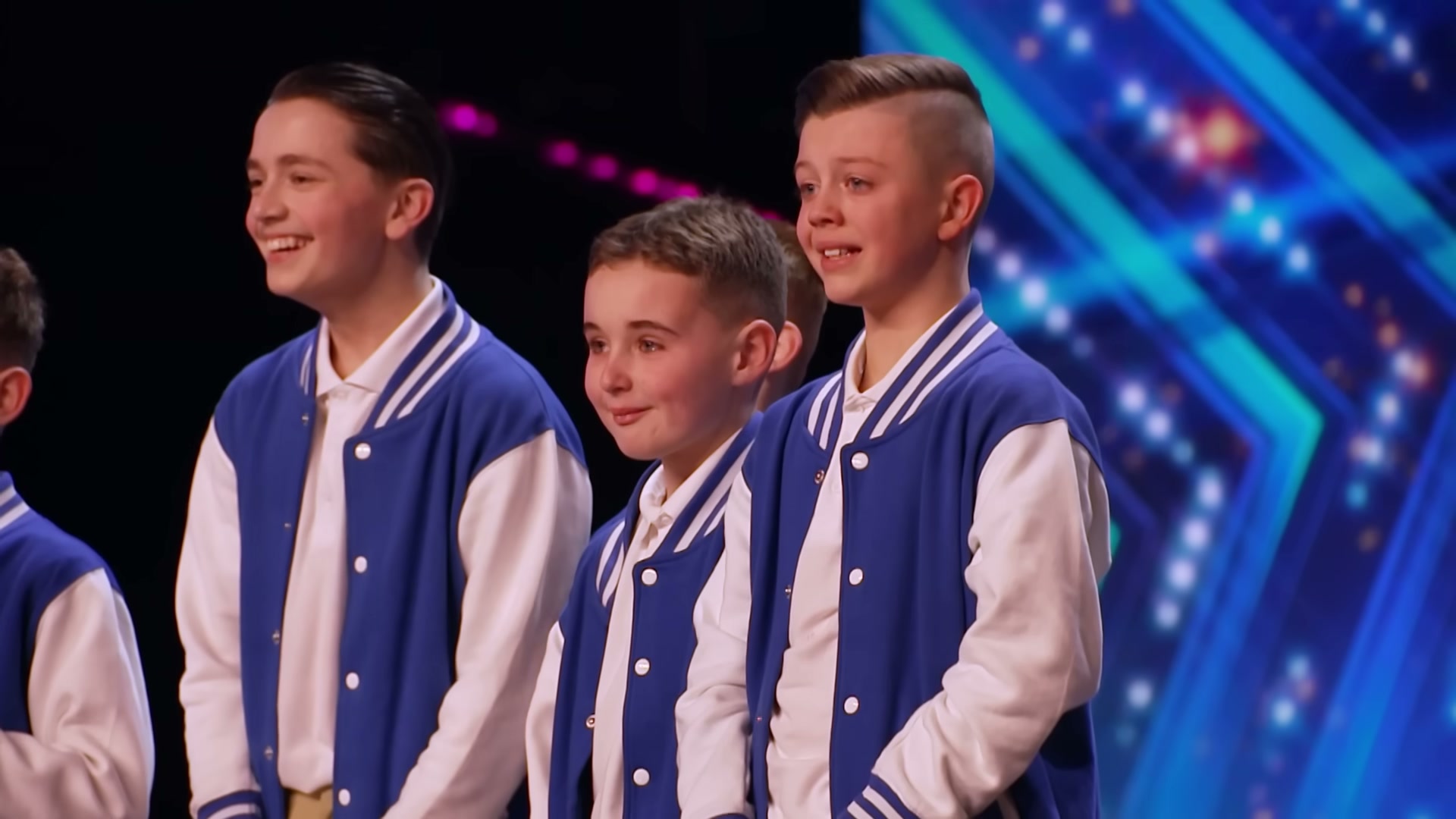
That comment mattered because talent shows are full of acts hoping to stand out through scale, novelty or technical difficulty. Five Star Boys stood out by combining skill with emotional clarity, proving that a small group of young dancers could command a large stage through sincerity and purpose.
The unanimous vote that followed felt inevitable after such a strong response. With four yeses, the group earned their place in the next stage of the competition and left the stage with the kind of affirmation that can shape a young performer’s confidence for years.
The success of the audition also highlighted the power of dance as storytelling. Without relying on spoken dialogue during the routine, the boys communicated rejection, fear, support and hope in a way that was accessible to viewers of all ages.
Their performance was especially effective because it avoided anger as its main emotional register. Instead, it answered bullying with grace, unity and beauty, showing that the strongest response to being dismissed can sometimes be to keep creating with even greater conviction.
The routine also challenged narrow expectations around masculinity in a gentle but direct way. By standing proudly as boys who dance, the group made the stage a place where sensitivity, coordination, discipline and emotional openness could all be seen as strengths.
That message is valuable in a culture where young people often receive limiting signals about which activities are acceptable for them. A performance like this gives children watching at home a different picture, one in which courage can look like stepping onto a stage in dance shoes and telling the truth about what you love.
The judges’ tears were not simply reactions to a sad story. They appeared to come from the way the boys transformed that story into something generous, offering encouragement to others rather than asking only for sympathy.
There was also a broader reminder in the audition about why talent competitions remain compelling when they are at their best. Beyond the competition format, the lights and the votes, they can create a shared public space where ordinary people reveal extraordinary commitment and emotional honesty.
Five Star Boys arrived as young contestants hoping to impress, but they left having delivered one of those auditions that viewers remember for its heart as much as its craft. Their routine was tender, technically assured and deeply purposeful, turning a few minutes onstage into a moving tribute to acceptance, friendship and the courage to be found.