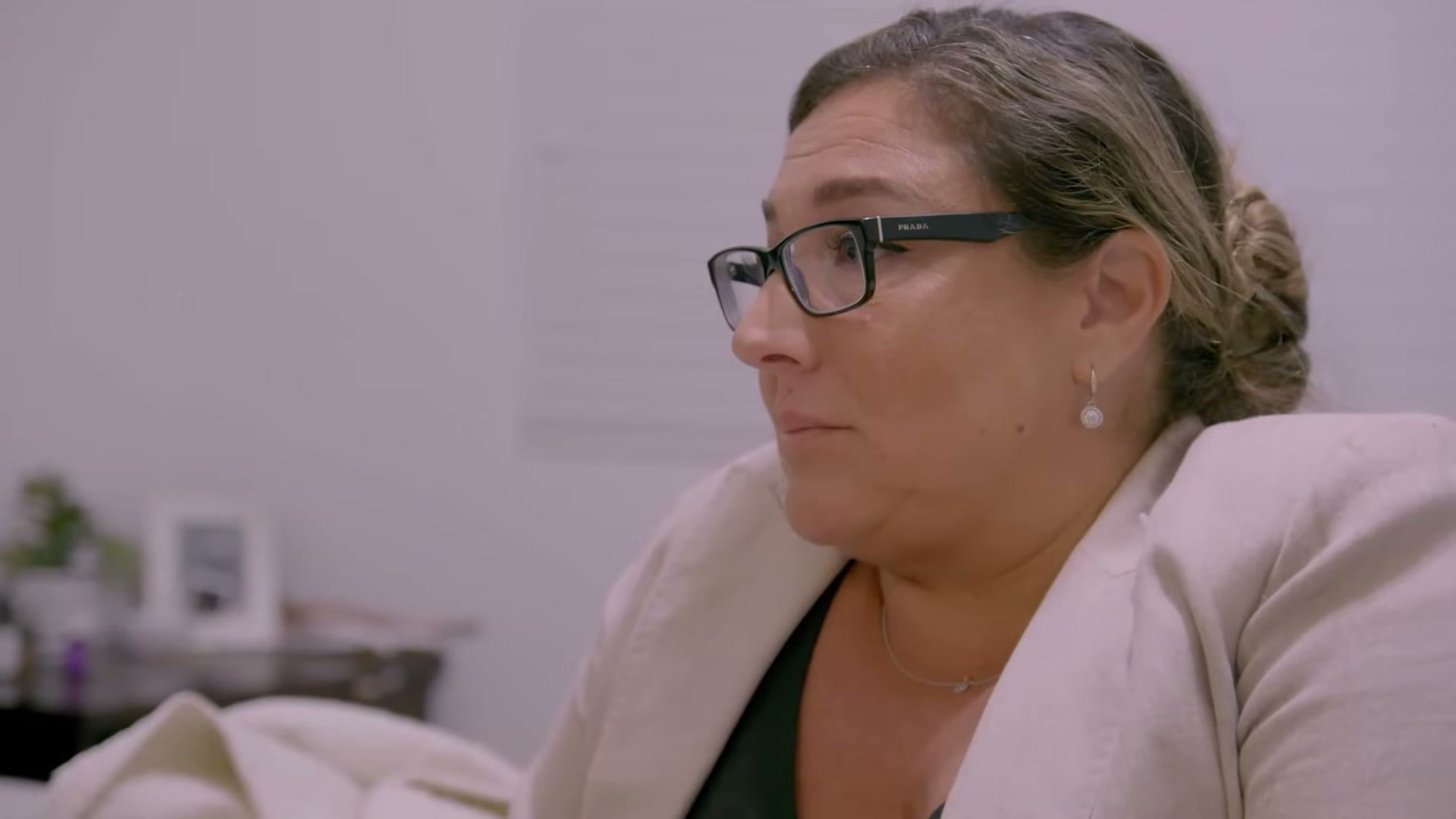
In this episode of Supernanny, a young family in Gilbert, Arizona, opens its doors at a point of visible exhaustion. The household is loud, fast moving, and emotionally strained, but the deeper story is not only about misbehaving children, it is about two parents struggling to redefine work, authority, and respect inside their home.
The parents are in their early twenties and already raising four children under the age of six, a reality that would test even the calmest household. Their days are shaped by competing demands, including childcare, online work, house routines, discipline, and the constant pressure of keeping very young children safe and engaged.
The family’s structure is unusual enough to become one of the episode’s central tensions. The mother’s blog began as a personal project but grew into a strong business, making her the household’s primary earner while the father became the full-time caregiver.
That role reversal has created both practical challenges and emotional conflict. The father admits that staying home with the children makes him feel less productive, not because the work is easy, but because he was raised with a more traditional belief that a man’s value is tied to earning money outside the home.
This belief weighs heavily on the household atmosphere. Instead of seeing caregiving as essential labor, he often experiences it as a loss of identity, and that frustration spills into the way he responds to the children and interacts with his partner.
The mother, meanwhile, is trying to support the family financially while working from inside the same environment that constantly interrupts her. Her job requires focus, planning, and public-facing creativity, yet the children climb on her, demand attention, and break through boundaries that the adults have not consistently enforced.
The result is a home where nobody seems fully in control. The children sense hesitation, emotional fatigue, and disagreement between the adults, and they push against every weak point in the family’s structure.
Supernanny Jo Frost arrives first as an observer, and her role is not to shame the parents but to identify what is actually happening beneath the surface. She sees a family that loves each other but has allowed confusion, resentment, and inconsistent discipline to set the tone.
One of the most important observations is that the children are not simply being difficult for the sake of it. They are responding to an environment where expectations are unclear, consequences are inconsistent, and adult emotions often rise faster than adult leadership.
The most challenging child in the episode is the young son whose early life included a serious medical ordeal. As an infant, he underwent major skull surgery, and his parents openly connect some of their later parenting choices to the fear they felt during that period.
That history matters because it explains, without excusing, why the parents became especially protective of him. After watching a child go through something frightening, it is understandable that a parent might soften rules, avoid confrontation, or hesitate to impose boundaries.

Over time, however, that extra softness appears to have created a new problem. The child has learned that intense reactions can shift adult behavior, and his defiance, aggression, and harsh language have become part of the family’s daily crisis.
The episode handles this thread as both behavioral and emotional. The child needs limits, but the parents also need help separating past medical fear from present parenting responsibility.
Jo’s assessment is that the household is being run by reaction instead of routine. Meals, work time, play, discipline, and transitions all appear vulnerable to interruption because the adults are not presenting a united and confident structure.
This is especially clear when the children disrupt their mother’s work. Because she is physically present, they treat her as available, while the father’s uncertainty in the caregiving role leaves him struggling to redirect them calmly and effectively.
The father’s anger becomes the episode’s most uncomfortable emotional focus. His frustration is shown not as a harmless personality trait but as something that affects the emotional safety of the home and teaches the children unhealthy patterns of communication.
The episode is careful to show that he is overwhelmed, not simply uncaring. Still, being overwhelmed does not remove the responsibility to speak respectfully, regulate emotions, and model the behavior expected from the children.
Jo challenges the idea that paid work is the only meaningful contribution to a family. Her broader message is that raising children, managing a household, and creating emotional stability are forms of labor that deserve respect, discipline, and pride.
That message is central because the father cannot lead the children effectively while privately resenting the role he occupies. If he sees caregiving as a demotion, the children feel that discomfort, and the home becomes a place of tension rather than secure guidance.
The mother also has to examine her role in the family system. Her income supports everyone, but her work-from-home position can blur boundaries unless the parents agree on when she is working, when she is available, and how the children should behave around that schedule.
This is where the episode becomes more than a portrait of one chaotic household. It reflects a modern family challenge, where online careers, flexible work, and shifting gender roles can create opportunities while also exposing old assumptions that have never been fully addressed.
The parents are young, and that youth adds another layer to the story. They are building careers, identities, and parenting skills at the same time, while raising several children who need patience and consistency every hour of the day.
Jo’s guidance points the family toward structure as a form of care. Clear rules, predictable routines, and calm consequences are not presented as harshness, but as the framework children need to feel safe and learn self-control.
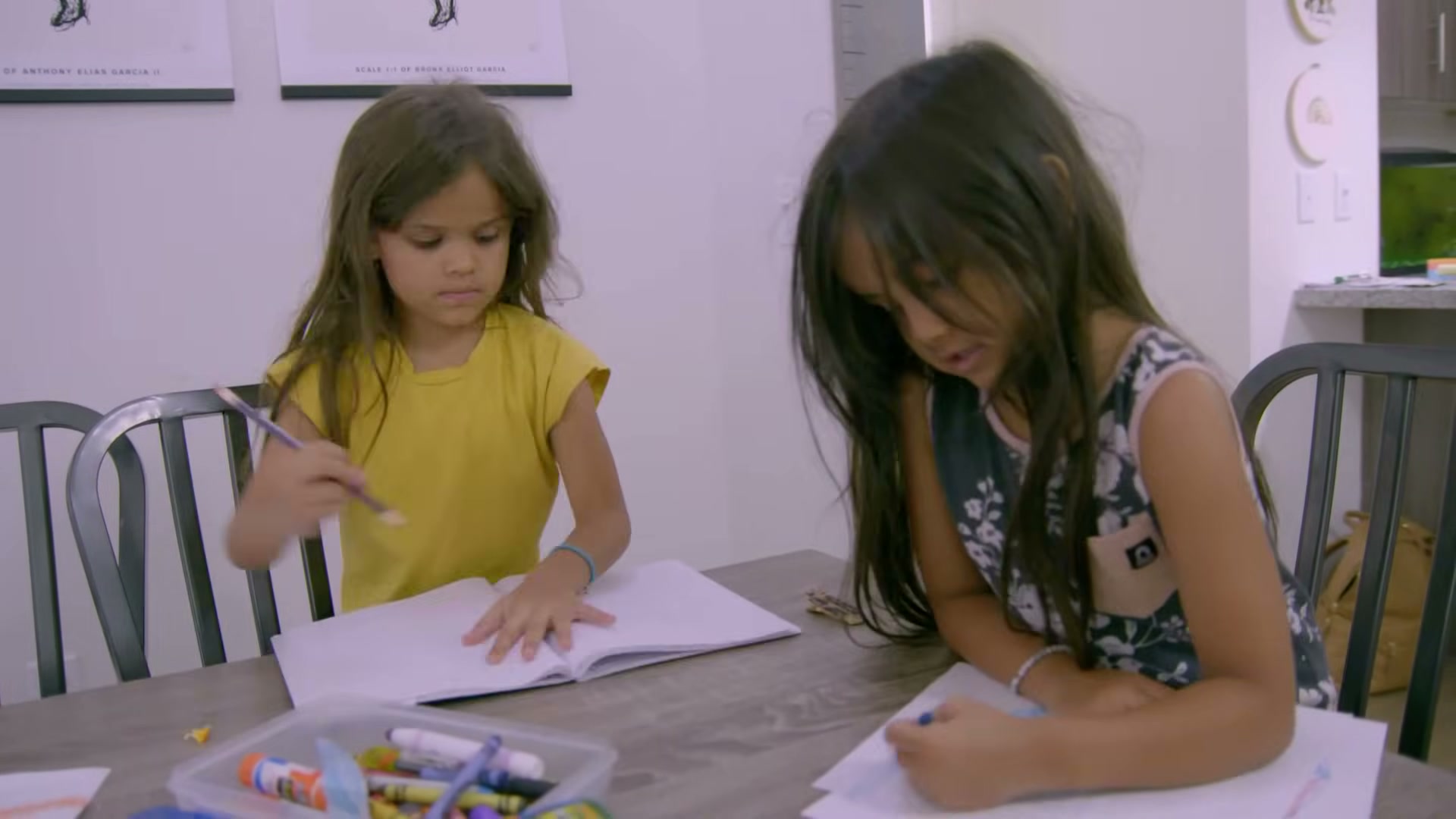
For the son with the most challenging behavior, this means being loved without being indulged. His past medical trauma may explain why the parents became fearful, but his present development requires boundaries that help him manage frustration, respect others, and communicate without aggression.
For the father, the intervention requires a personal shift. He must learn to see himself not as someone stuck at home, but as the parent responsible for shaping the emotional climate and daily rhythm of four young children.
For the mother, the challenge is to support that shift without excusing harmful communication or carrying the emotional burden alone. She needs partnership, not just income responsibility, and the children need to see both adults working from the same expectations.
The audience is likely to react strongly to the tension in the home, especially when adult frustration becomes too sharp. Yet the episode also invites a more balanced view, showing how stress, fear, financial pressure, and outdated beliefs can combine until a family loses its way.
What makes the story compelling is that the problems are serious but not hopeless. The parents show enough honesty to admit what is not working, and that honesty creates an opening for change.
Jo’s presence brings accountability, but it also brings language for what the family has been unable to name. The issue is not simply that the children need discipline, but that the adults need respect, clarity, emotional regulation, and a shared understanding of their roles.
By centering the father’s struggle with identity, the episode raises a wider question about how society values caregiving. If a parent is praised only for earning money, then the daily work of feeding, teaching, comforting, correcting, and protecting children becomes invisible until it breaks down.
The family’s crisis shows why that thinking is so damaging. Children do not need a parent who feels powerful because of a paycheck; they need caregivers who are present, steady, respectful, and confident in the importance of the work they do.
The episode’s emotional weight comes from watching a household at the edge of burnout begin to understand itself. Behind the noise and conflict is a family asking for help, even if the request first appears as chaos.
In the end, Supernanny frames the path forward as a combination of practical structure and emotional repair. The family must build routines, enforce boundaries, and change the way they speak to one another if they want their home to become calmer and safer.
The story is engaging because it avoids an easy villain. Instead, it shows young parents under pressure, children acting out unmet needs, and a caregiver learning that authority is strongest when it is calm, consistent, and rooted in respect.
For viewers, the takeaway is clear and relevant. A healthy household depends not only on rules for children, but also on adults who value each other’s work, manage their own frustration, and create the emotional security their children are still too young to create for themselves.