
America’s Got Talent frames its Season 12 winner Darci Lynne as both a performer and a teacher in a lighthearted Talent University segment built around the basics of ventriloquism. Rather than presenting the craft as mysterious or unreachable, the clip turns it into an inviting classroom routine with jokes, demonstrations, and encouragement for young viewers.
The setup is simple but effective, placing Darci at the front of an imaginary lesson with her rabbit puppet Petunia ready to interrupt, comment, and compete for attention. Their opening exchange about who deserves to be called the professor immediately establishes the tone, showing that the instruction will be wrapped in the same comic timing that helped make Darci a fan favorite.
That classroom framing matters because ventriloquism can look intimidating to beginners, especially when a polished performer makes it seem effortless. By letting Petunia challenge the lesson and tease the teacher, the segment lowers the pressure and reminds viewers that playfulness is part of the discipline.
Darci begins with what she calls the ventriloquist alphabet, a practical way to explain why certain sounds are harder to make without moving the lips. Letters such as B, M, F, P, V, and W naturally require visible mouth movement, so the performer has to learn substitutions that can trick the ear while keeping the face still.
The lesson becomes most useful when Darci demonstrates how those substitutions work in real time. Instead of simply saying that some letters are difficult, she breaks down the mechanics, showing how tongue placement and adjusted sounds can help create the impression of normal speech.
For example, the sound normally made with a closed mouth can be replaced by a similar sound formed inside the mouth, allowing the word to remain recognizable. The trick is not to produce a perfect textbook letter, but to create something close enough that the audience hears the intended word without focusing on the performer’s lips.
This is where the segment balances technique with accessibility, because Darci does not make the process seem overly technical. She presents the substitutions as skills that improve with repetition, encouraging viewers to practice in front of a mirror so they can see when their lips move and gradually reduce that movement.
The mirror advice is especially practical for beginners because ventriloquism is as visual as it is vocal. A learner might think a sound is convincing, but the mirror reveals whether the illusion is being broken by facial motion, tension, or a habit of overpronouncing difficult words.
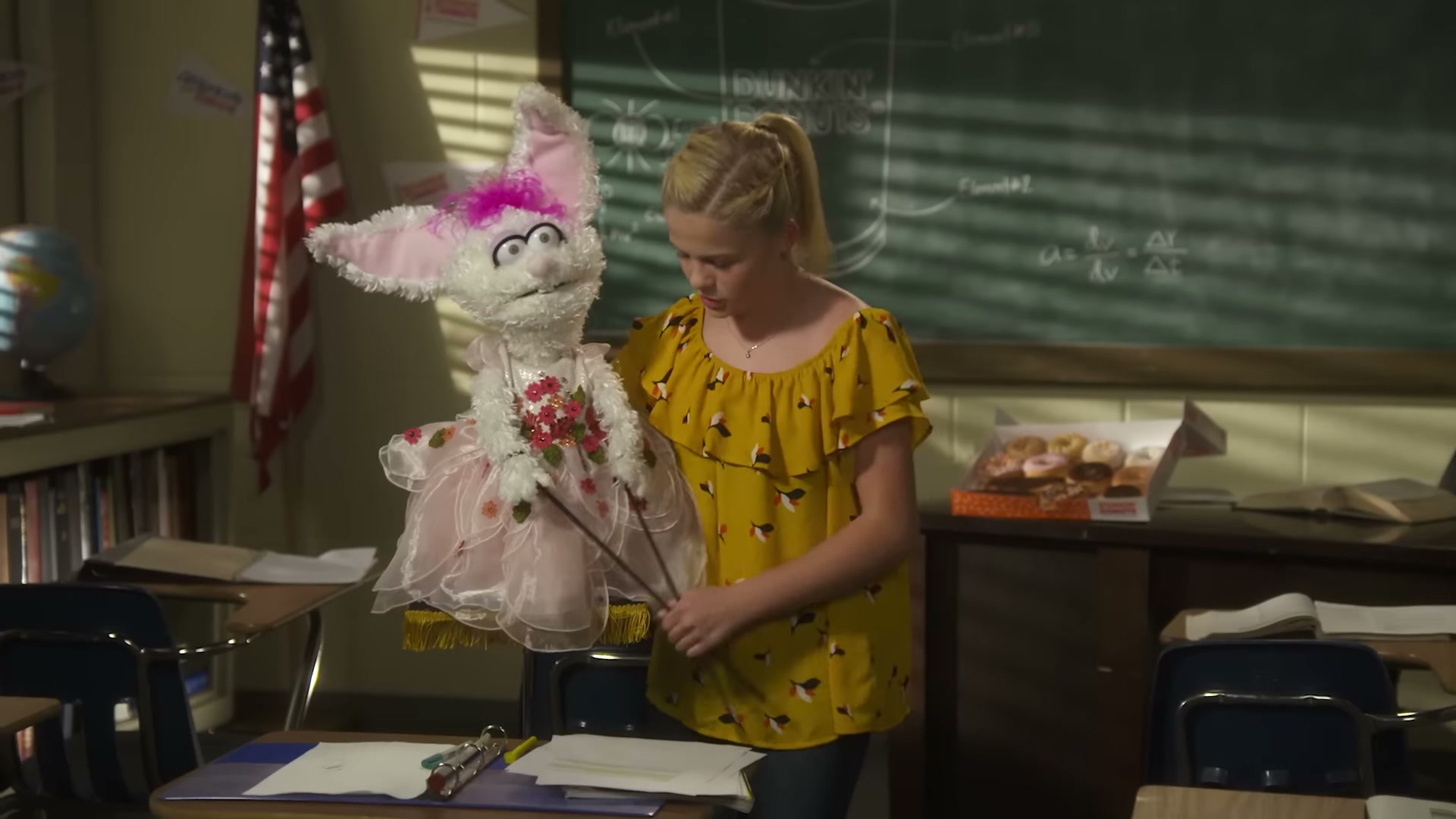
Petunia’s interruptions keep the tutorial from feeling like a formal lecture, and they also serve a second purpose. Every joke reminds the audience that ventriloquism is not only about hiding the voice, but also about creating the feeling that another personality is present in the room.
The segment then expands from speech mechanics to puppet performance, emphasizing that the puppet must be animated with intention. Darci shows how rods, arm movement, head turns, and small reactions help make a puppet appear alert, emotional, and separate from the performer.
These details are easy to overlook, yet they are central to the illusion. A puppet that merely opens and closes its mouth can feel mechanical, but one that reacts with surprise, fear, pride, or a playful stare starts to seem like a character with its own thoughts.
Petunia’s so called diva look becomes a memorable example because it combines expression, timing, and attitude in one quick demonstration. The humor comes not just from the face itself, but from the way Darci gives the puppet a clear identity and lets that identity shape each response.
Darci also explains that a puppet’s voice is a major part of its personality. A sweet and innocent voice suggests one kind of character, while a nasally, goofy, or exaggerated voice instantly points the audience toward a different comic world.
That advice is useful because many beginners may focus only on not moving their lips, treating ventriloquism as a vocal puzzle. The segment gently broadens that view, showing that the best performances combine vocal control, acting, writing, timing, and physical manipulation.
The strongest part of the lesson is its sense of encouragement. Darci does not imply that a beginner needs an expensive stage puppet or a professional setup, and the notes of the segment suggest that homemade puppets can be enough to start learning the craft.
That message fits the Talent University idea, because the clip is designed less as a master class and more as a spark. It gives young fans a starting point, a few technical tools, and the confidence to try speaking through a character of their own.
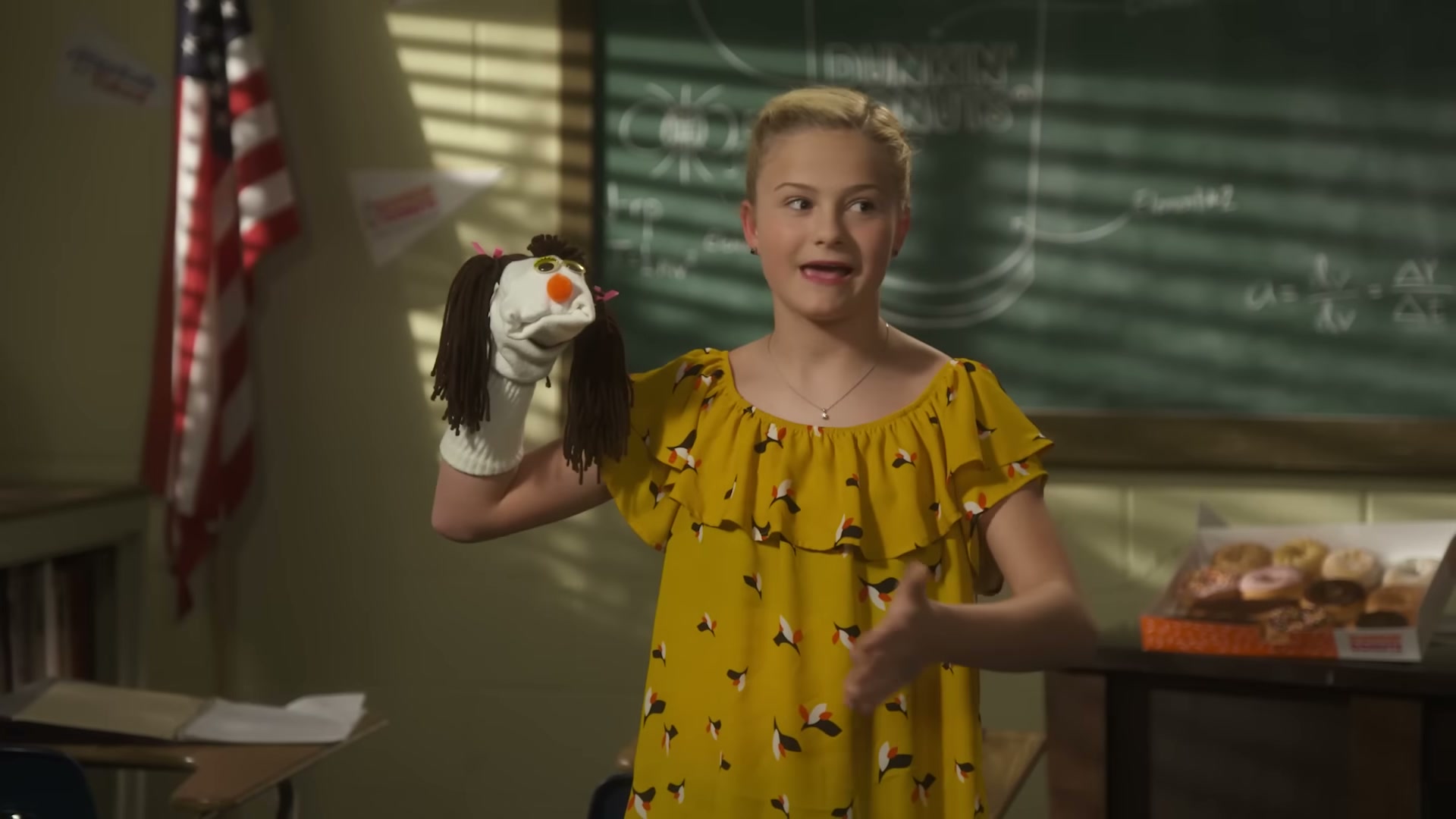
The back and forth between Darci and Petunia also demonstrates an important performance rule without naming it directly. A ventriloquist must listen and react to the puppet as though the puppet is real, even though the performer is controlling both sides of the conversation.
That kind of interaction is what makes the comedy land. If the performer treats the puppet like a prop, the audience will do the same, but if the performer treats the puppet like a scene partner, viewers are more willing to accept the illusion.
The segment’s pacing helps maintain that illusion while still delivering information. Each technical explanation is followed by a joke, reaction, or demonstration, so the viewer gets a lesson and a mini performance at the same time.
This balance is part of why Darci’s post competition presence works well in a format like this. She is young enough to feel relatable to the children watching, but experienced enough to explain the basics with confidence and show how practice can become stage ready skill.
The clip also reflects how America’s Got Talent uses its winners after their main competition run. By placing Darci in a mentoring role, the show celebrates her success while positioning her as an ambassador for a traditional variety art that still has room to feel fresh.
Ventriloquism has often depended on a mixture of technical secrecy and showmanship, but this lesson takes a more open approach. It shows the audience enough of the method to appreciate the work, while preserving the charm of watching the performer and puppet create a shared comic rhythm.
The final encouragement to practice and share the new skill gives the segment a participatory ending. Viewers are not just meant to admire the talent on screen; they are invited to stand in front of a mirror, invent a voice, move a puppet, and discover how difficult and rewarding the illusion can be.
As a short educational feature, the segment succeeds because it never separates craft from entertainment. Darci teaches the alphabet, the sound substitutions, the puppet movement, and the importance of character, but she does it through a lively exchange that proves the lesson with every laugh.
The result is a polished, beginner friendly introduction to ventriloquism that honors both the discipline and the fun behind it. It presents the art as something built from patience, imagination, and practice, while reminding fans why a well timed puppet conversation can still feel surprisingly alive.