

America’s Got Talent offered viewers a quieter kind of spotlight this week with a stripped back Music Room session presented by Lavazza. In the intimate performance space, singer songwriter Micah Palace delivered an acoustic take on his original song “MI CORAZÓN,†pairing gentle guitar work with a conversation about identity, perseverance, and connection.
The appearance, released as part of the show’s digital content during its landmark 20th season, emphasized storytelling as much as musicianship. Between sung passages, the contestant reflected on his earliest performances, his upbringing in an Argentine household in America, and the personal meaning behind a song shaped across continents.
Asked to look back on his first show, he recalled being seven or eight years old and playing “Ode to Joy†on guitar at a talent show. He laughed at the memory, calling the rendition horrible, but said the crowd’s enthusiastic reaction sparked something enduring inside him.
That moment, he suggested, confirmed what family living rooms had already hinted at: performing was where he felt most alive. Even before any formal stage, he said, he had always entertained relatives, and the joy of drawing a response from listeners became an early compass.
When prompted to imagine speaking to his third grade self, the advice was simple and direct. Stay true to yourself, he said, and keep pursuing your dreams, because the discipline and effort that seem overwhelming in childhood can eventually become the foundation for opportunity.
The comments fit neatly with the tone of the acoustic performance, which was modest in presentation yet emotionally expansive. Rather than leaning on elaborate production, the session placed emphasis on voice, guitar, and the sort of candid reflection that lets audiences understand not just the song, but the person carrying it.
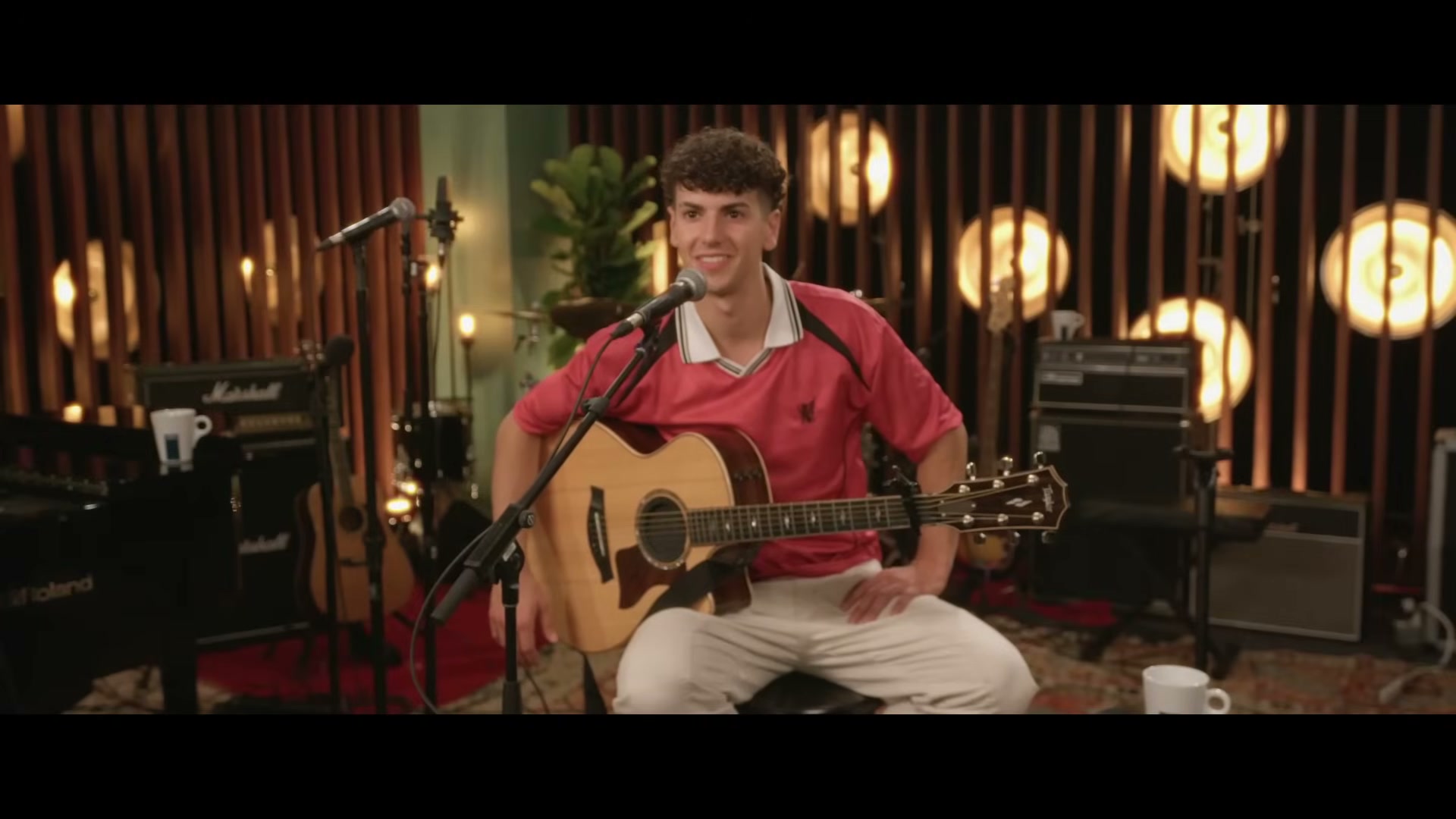
One of the strongest themes to emerge from the interview was the challenge and richness of growing up between cultures. Raised in America inside an Argentine household, he said, he recognized himself in many others navigating cross cultural identities, whether their homes reflected Latin traditions or some other blended experience.
That background, he explained, has shaped both his music and his message to listeners who feel out of place. His core idea was reassuring rather than dramatic: if you sometimes feel you do not belong, there are other people carrying that same uncertainty, and you are not alone.
In discussing his broader experience on the program, he also highlighted the community that forms behind the scenes of a televised competition. The journey, he said, has often resembled an especially lively summer camp, complete with preparation, anticipation, and a sense that each performance becomes part of a shared memory.
He reserved particular appreciation for fellow contestants and staff members, saying the relationships built during the season may prove as meaningful as any result. Looking ahead, he predicted he would revisit these weeks with gratitude, even wishing he had slowed down enough to savor them still more fully.
The song at the center of the session also came with its own international backstory, underscoring the border crossing nature of his artistry. He said he began writing it around the end of 2023 with a producer from the Netherlands whom he had met online after hearing an unfinished beat.
From there, he helped complete and co produce the track, while a friend from Argentina joined him as a co writer. Their partnership, he said, grew from time spent living together at a Bible institute, where they studied side by side and built a creative bond that remains strong.
Those details lend extra resonance to “MI CORAZÓN,†a song whose title signals intimacy before a note is even heard. In the Music Room arrangement, the lyrics centered on caution, vulnerability, and the tremor of new love, with repeated pleas for care from someone carrying old emotional bruises.
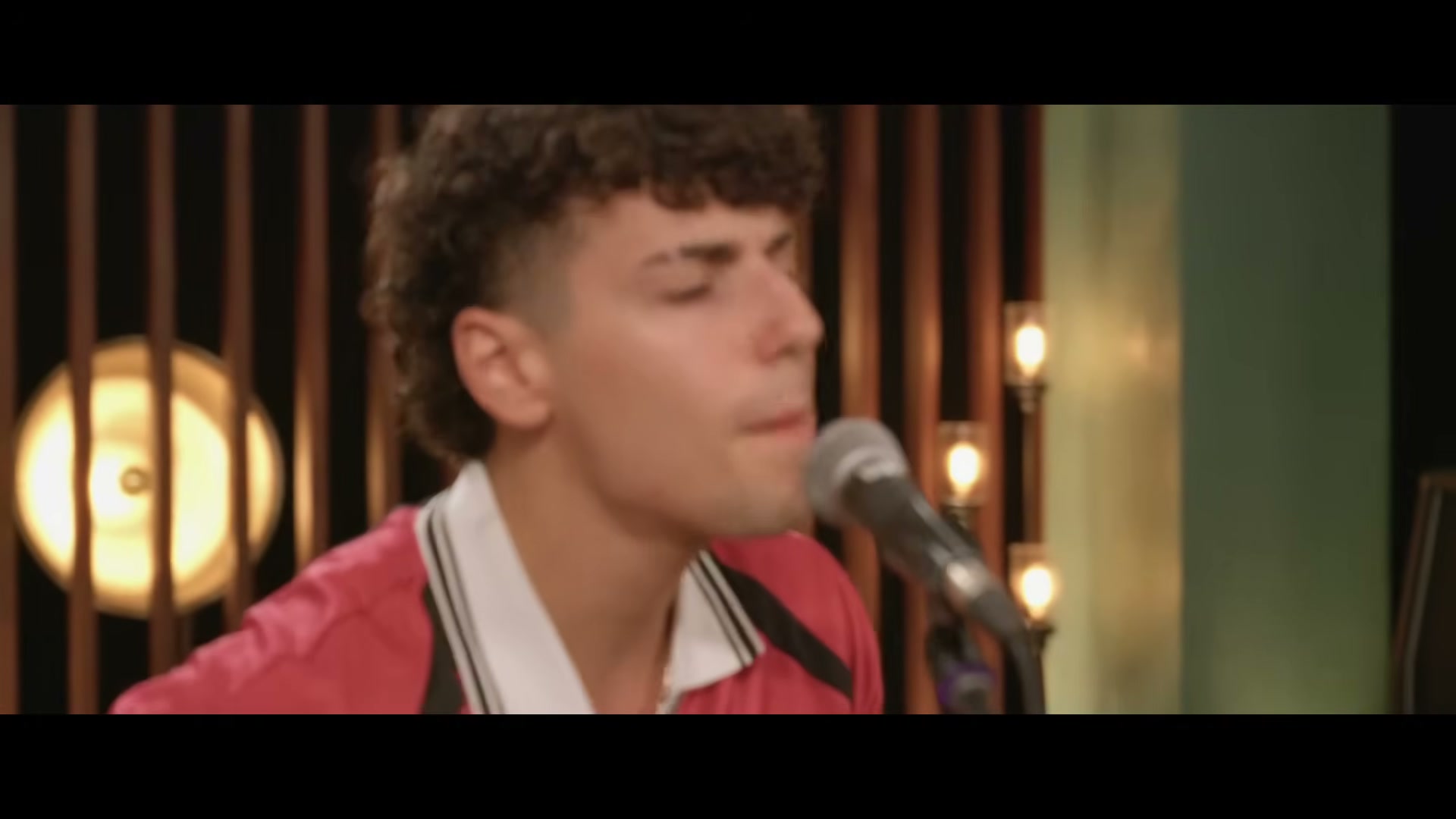
Lines about trying hard, falling in love, and fearing another heartbreak were delivered with an unforced sincerity that matched the stripped setting. The performance did not chase spectacle; instead, it invited listeners closer, using pauses, soft dynamics, and steady guitar to emphasize the fragility inside the composition.
That approach aligns well with the purpose of the AGT Music Room series, which gives performers space to reveal craft beyond the main stage. Free from the pressure of giant effects and roaring theater pacing, artists can speak in full sentences about process, memory, and the reasons songs matter.
For viewers following the show’s anniversary season, the clip offered a useful reminder that talent competitions are not only about climactic verdicts. They are also about the quieter pieces of artistic development, the personal histories behind performances, and the values contestants hope to transmit through their work.
Here the singer’s narrative tied several threads together: childhood encouragement, bicultural upbringing, collaborative creation, and gratitude for the present moment. The result was a portrait of an artist still moving forward, yet aware that the path is defined not solely by visibility, but by the people, places, and convictions gathered along the way.
As AGT continues to expand its digital storytelling around the televised contest, segments like this one show why audiences keep seeking more than highlights. They want context for the applause, insight into the work behind the voice, and glimpses of how a private song can become a public bridge between strangers everywhere today.
In that respect, the Music Room performance succeeded not simply as an unplugged rendition, but as a concise statement of purpose. Through reminiscence, reflection, and a tender delivery of “MI CORAZÓN,†the young performer framed his art as an invitation to feel seen, understood, and a little less isolated in a crowded world.
For a season celebrating two decades of America’s Got Talent, the moment stood out by resisting noise and choosing honesty. With one guitar, a heartfelt story, and a song about guarding the heart while hoping anyway, the artist turned a small room into something resonant and lasting for viewers far beyond it.