

An emotional audition on America’s Got Talent transformed a comedy set into one of the program’s most memorable moments. The season 10 appearance featured comedian Drew Lynch, who explained that a devastating sports injury left him with a stutter and ultimately redirected his life toward standup, where he found purpose, humor, and renewed confidence.
Walking onto the stage to loud cheers, Lynch introduced himself with visible nerves but immediate self awareness. When asked by the judges how he was feeling, he answered simply, then clarified his speech pattern with humor, saying he had a stutter and telling the panel that his talent was comedy.
He told the judges he had been performing for about four years, a path he had never originally planned to take. According to Lynch, the turning point came after a softball accident, when a badly bouncing ground ball struck his throat, damaged nerves in his vocal cords, and changed the way he spoke.
Lynch said his first response to the injury was anger, and he began scribbling down his frustrations on a hospital napkin. He credited his girlfriend with encouraging him to bring those thoughts to the stage, explaining that comedy became a coping mechanism that helped him feel better and reconsider the kind of person he wanted to be.
In one of the audition’s most revealing moments, he reflected that the man he had been before the accident likely would not have liked the man he is now. That remark framed his set not only as a performance, but as a public statement about growth, humility, and finding a positive direction after unexpected hardship.
The exchange with the judges quickly established the warm tone that would carry through the rest of the audition. Asked how softball had caused the stutter, Lynch answered with a line that drew laughter from the room, joking that he had learned the hard way that a person should not sleep after a concussion.
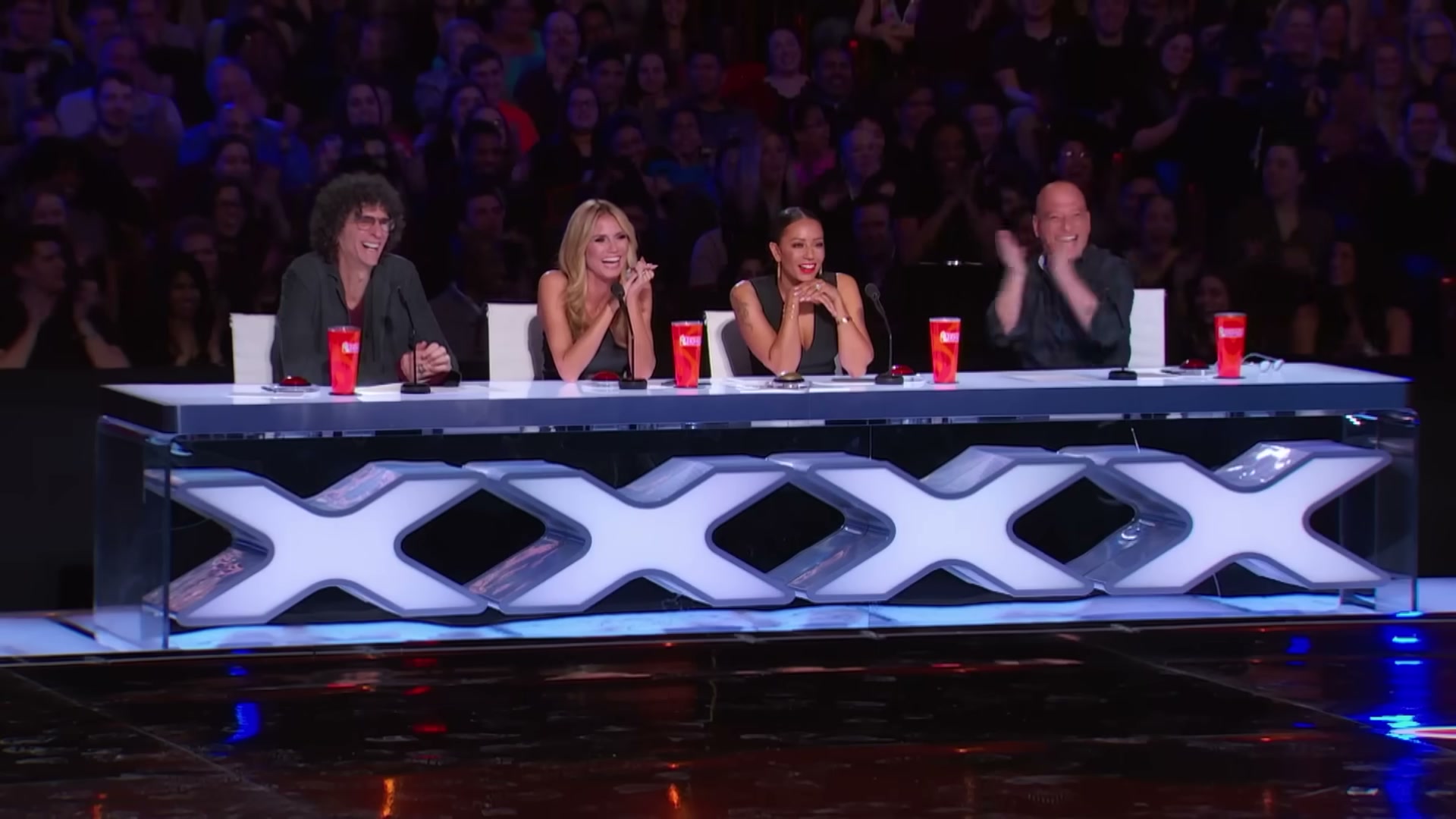
Questions about his personal life brought another emotional turn when the panel asked whether he was in a relationship. Holding back tears, he said he hoped his girlfriend was present and shared that she had taken on three jobs so he could pursue comedy, prompting a wave of applause from the audience and admiration from the judges.
One judge responded by telling him he would have to marry her, and Lynch returned the comment with another quick joke. The easy banter further relaxed the theater, but it also underscored how much the moment meant, with the comedian clearly aware that his career was being supported by deep sacrifice at home.
When his set began, Lynch leaned directly into the voice that had become both his greatest challenge and his comic tool. He said he was generally comfortable with the way he sounded, but admitted that some situations remained difficult, especially ordering food at a drive through, where speed and an intercom made everything harder.
From there, he delivered one of the audition’s signature bits, imagining what it would be like if his voice were used for a GPS system. Repeating directions with deliberate pauses and turns, he transformed a source of frustration into a sharply observed routine that had the crowd cheering before the joke had fully finished.
The audience reaction grew louder as the routine continued, with people laughing not out of sympathy but out of appreciation for strong material. Lynch then shifted into another punchline about a man at one show who had objected to his making jokes about disability, only for the comedian to answer by asking whether he had stuttered.
That final line ended the performance on a triumphant note, bringing the theater to its feet and leaving the judges smiling broadly. Even before formal comments began, the room was clearly united behind him, turning what might have been an unconventional audition into a shared moment of release, encouragement, and respect.
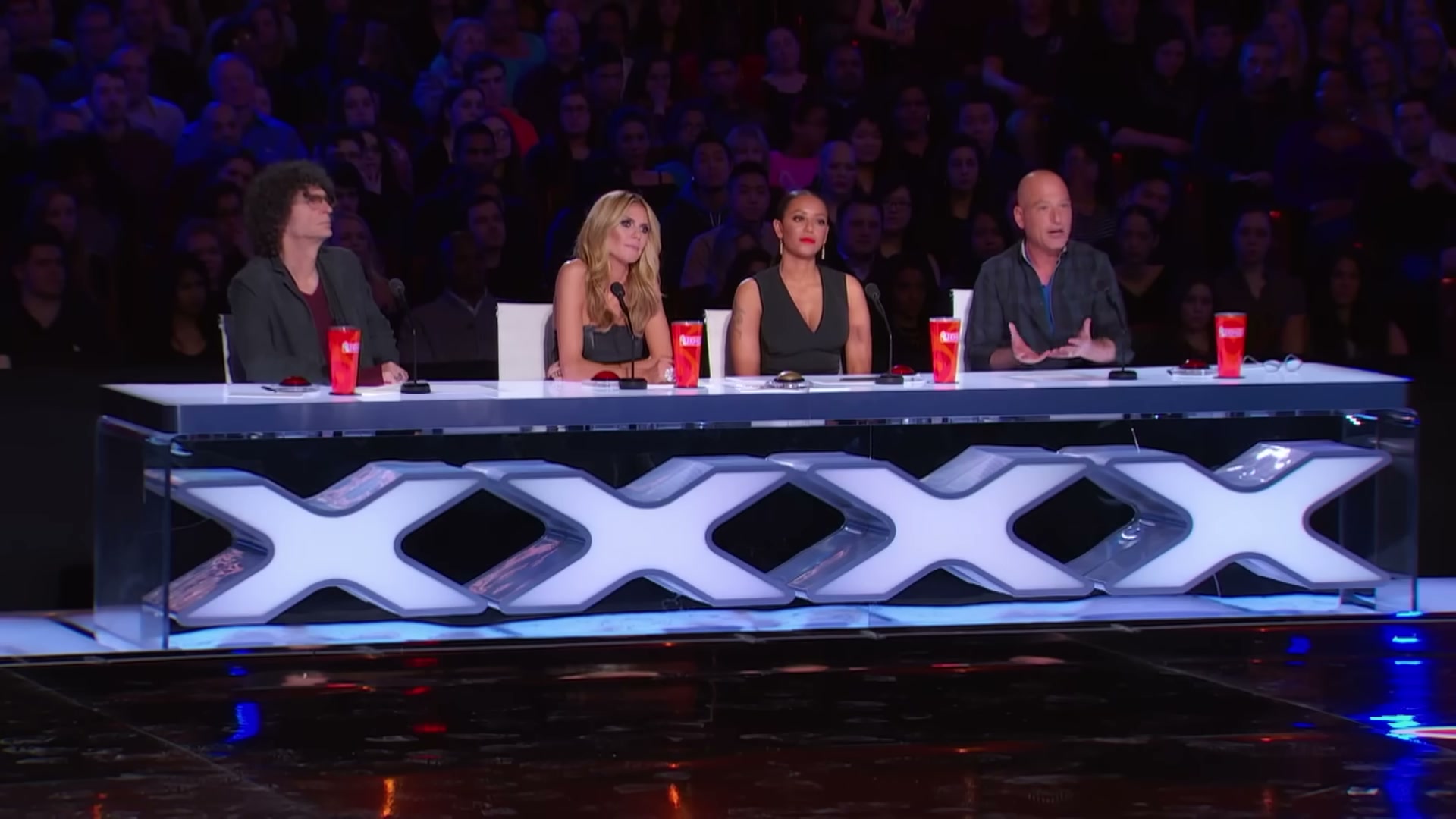
Judge Simon Cowell praised the difficulty of walking onto a stage under any circumstances, then emphasized how much harder it was to command a crowd while coping with such an obstacle. He told Lynch that winning over the theater in that situation was almost impossible and said the performance deserved the audience’s enthusiastic support.
Another judge said the most appealing part of the audition was the way Lynch had transformed a painful experience into something positive. She added that it made the routine even funnier to watch him laughing at his own jokes, a remark he answered immediately by noting that he had written them himself.
Howie Mandel’s response became the emotional peak of the segment, as he connected Lynch’s comedy to the darker places from which many performers draw material. Speaking personally, Mandel said he had long used laughter in his own life to search for happiness, and he told the comedian that he had found light at the end of darkness.
Mandel then told Lynch he wanted to do something special, building suspense as the theater erupted with anticipation. Moments later, he pressed the Golden Buzzer, showering the stage in celebration and sending the comedian directly forward in the competition, a decision that instantly reframed the audition as a career changing event.
The season 10 audition has since been revisited by the show as one that captured why talent competitions can resonate beyond simple performance. Rather than focusing only on technical skill, the segment highlighted perseverance, gratitude, vulnerability, and timing, showing how a personal setback could be turned into art that invited both laughter and empathy.
Set against the launch of the program’s milestone twentieth season, the revived clip serves as a reminder of the franchise’s ability to spotlight human stories alongside spectacle. For viewers, the audition remains memorable not merely because a buzzer was pressed, but because a performer stepped into uncertainty, laughed at what had once hurt him, honored the people who believed in him, and left the stage with an arena standing behind him.