
A bride who believed she was hours away from walking down the aisle says her wedding day unraveled into confusion, injury, and public heartbreak. After a year of planning and roughly $20,000 of her own money invested, she says she discovered that the ceremony she had prepared for was not happening at all.
The story centers on Sasha, who described waking up on what should have been one of the happiest days of her life feeling excited and ready to celebrate. She said she had spent months arranging details, gathering her bridal party, and preparing for a 5 p.m.
ceremony she believed would mark the next chapter of a long relationship.
The morning began in a familiar wedding day rhythm, with bridesmaids gathered at a hotel for hair, makeup, photos, and final preparations. Sasha said everyone was dressed, energized, and focused on getting ready, while she waited for her fiancé to arrive as planned between 10 and 11 a.m.
When he did not appear on schedule, she said she began calling and texting to find out where he was. According to her account, he told her he was on the way and blamed traffic for the delay, giving the impression that the problem was inconvenient but temporary.
As the hours passed, the explanation allegedly changed, and the sense of unease grew. Sasha said her fiancé later claimed he had taken an Uber and that the vehicle had gotten a flat tire, another delay that kept him from reaching the hotel.
The shifting story left the bride and her party anxious, but she said she continued to believe there was still a chance to salvage the day. Instead of assuming the worst, she tried to locate him, still hoping the man she expected to marry was truly stranded and trying to get there.
In a dramatic turn, Sasha said she left the hotel wearing a bridesmaid robe to go look for him herself. While searching, she was involved in a serious crash after being hit by an SUV, an accident she said totaled her car and left her with burns from the airbags.
The accident added physical pain and shock to an already chaotic day. Yet even after the crash, the larger truth about the wedding had not fully emerged, and the bridal party still believed the ceremony might somehow be delayed rather than nonexistent.
The devastating revelation came when a bridesmaid contacted the venue to find out what was happening. According to the account shared on the segment, the venue said there was no wedding scheduled for that day and that the event had been canceled months earlier.
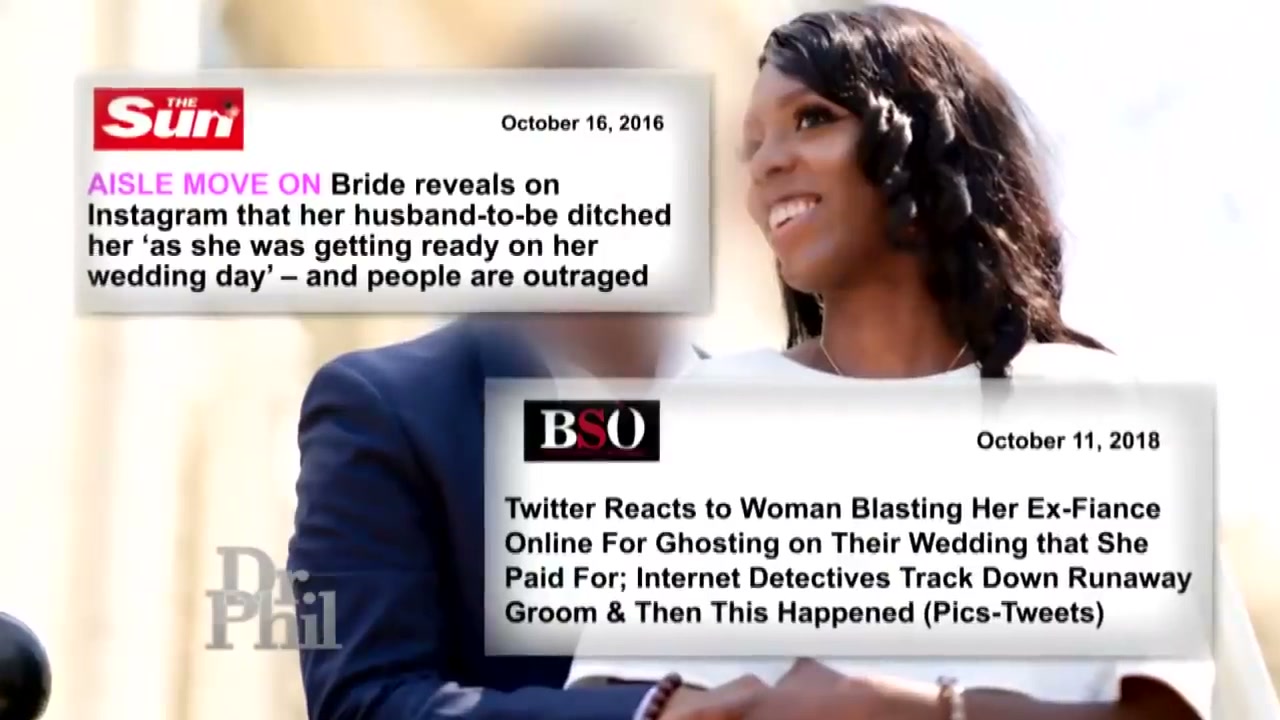
That information changed the situation from a delayed groom to something far more serious. The bride and her bridesmaids were left stunned, crying, and trying to understand how a wedding that had shaped their lives for a year could disappear without their knowledge.
The venue also reportedly indicated that only a $500 deposit had been paid, despite Sasha believing much more had been secured for the event. For a bride who said she had invested about $20,000 of her own money into the wedding, that detail intensified questions about what had happened behind the scenes.
During the televised discussion, Dr. Phil pressed the timeline and focused on what the groom may have known before the wedding day.
He emphasized that if the venue had been canceled months earlier, then the groom’s last minute explanations about traffic and transportation problems raised obvious concerns.
The central question was not simply why the groom failed to appear, but whether he had allowed Sasha to keep preparing for a ceremony he knew would never take place. That possibility made the emotional impact even greater, because the bride’s anticipation had been replaced by humiliation in front of friends and family.
Sasha described the experience as more than a canceled event. She was confronting the collapse of a relationship that had lasted about a decade, and that history made the day feel like a personal betrayal rather than just a logistical disaster.
For many viewers, the most painful element was the contrast between the morning’s joy and the afternoon’s unraveling. The same hotel room that had been filled with makeup brushes, dresses, laughter, and photographs became the setting for panic, unanswered questions, and tears.
The account also illustrates how wedding planning can create financial and emotional vulnerability. When one partner handles key details or controls access to information, the other may not realize that deposits, contracts, or venue arrangements are not what they appear to be.
At the same time, the story should be understood through the claims presented in the segment rather than as a complete legal record. The available account comes from the bride’s description and the discussion around it, while unanswered questions remain about exactly who canceled the venue, when it happened, and why Sasha was not told.
Still, the timeline described is striking. A bride preparing for a 5 p.m.
ceremony was told throughout the day that her fiancé was delayed, only for the venue to say the wedding had been off the calendar for months.
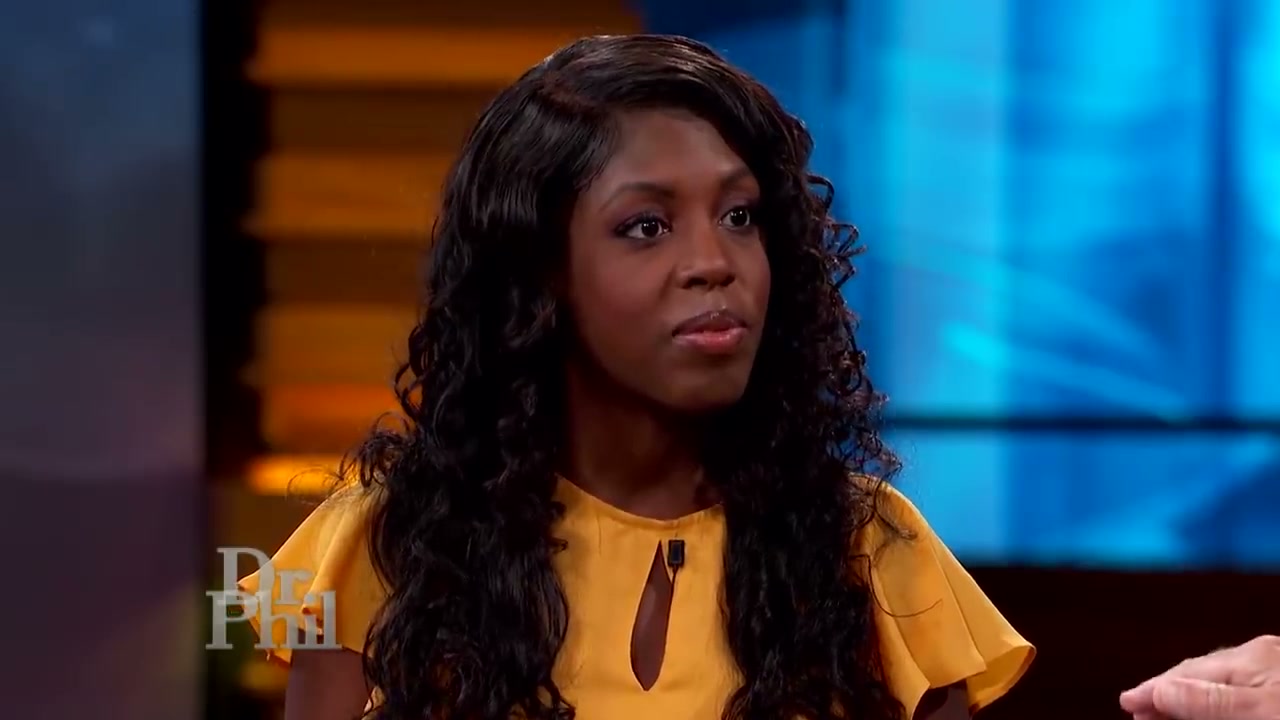
The emotional damage in such a scenario can be difficult to measure. Beyond lost money and a totaled vehicle, Sasha faced the public collapse of a promise she had built her future around, surrounded by people who had gathered to support her.
The bridesmaids also became part of the emotional fallout. They had spent the morning celebrating their friend, only to help her process an accident, a missing groom, and a venue call that confirmed their worst fears.
Dr. Phil’s questioning underscored the importance of accountability when major life events involve shared commitments.
A wedding is not only a party, but also a network of contracts, family expectations, travel plans, financial investments, and trust between two people.
The segment framed the groom’s alleged explanations as a key part of the heartbreak. If someone is genuinely delayed, the situation is stressful, but if the delay is a cover for a cancellation already known, the emotional harm becomes much deeper.
Sasha’s decision to go looking for him showed how strongly she still believed the wedding could happen. That belief, combined with the crash, turned an already painful absence into a dangerous and costly ordeal.
The story also serves as a cautionary reminder for couples planning major events. Both partners should have access to venue contracts, payment records, vendor communications, and cancellation policies, not because distrust should define a relationship, but because transparency protects everyone involved.
For brides, grooms, and families, the practical lesson is clear. Confirming details directly with venues and vendors may feel unnecessary when emotions are high and trust is assumed, but written records and shared access can prevent devastating surprises.
Yet practical advice does not erase the emotional center of the story. Sasha did not describe a simple misunderstanding, but a day in which excitement turned to confusion, confusion turned to fear, and fear turned to the realization that the wedding had been gone long before she put on her dress.
What made the account resonate was the speed of the collapse. A relationship of many years, a year of wedding planning, and thousands of dollars in expenses seemed to fall apart within a matter of hours on the very day meant to celebrate commitment.
By the end of the segment, the focus was less on the spectacle of a missing groom and more on the aftermath for the bride. She was left to absorb financial loss, physical injury, and the emotional burden of wondering why she was allowed to prepare for a wedding that, according to the venue, no longer existed.