
A daytime television confrontation turned one man’s underground performance identity into the centerpiece of a wider family crisis about money, responsibility, and trust. The segment presented his creative ambitions not as an isolated hobby, but as part of a pattern that relatives say has left his wife, children, and extended family carrying the consequences.
The man at the center of the episode, Nick, defended his commitment to a dark rap persona called King Krimzon while acknowledging a history that complicated his case. He admitted past criminal conduct, including breaking into his mother’s home, stealing money and a checkbook, and later serving time for home invasion, burglary, and check fraud.
Those admissions gave the discussion a heavier tone than a simple disagreement over music or image. The program framed his persona, finances, and family obligations as interconnected, asking whether the performance was creative expression, avoidance, or a symbol of deeper instability.
Nick described his earlier wrongdoing in blunt terms, saying he had entered his mother’s home years ago and taken cash along with checks. He also discussed a later disputed incident involving a bad check, maintaining that he had been unfairly accused in that case while still conceding that his record had damaged his credibility.
The segment then moved from criminal history to financial choices, including one of the most striking revelations. Nick said he had taken out student loans even though he did not intend to attend classes, using the funds instead to support monster-making projects and the image surrounding his performer identity.
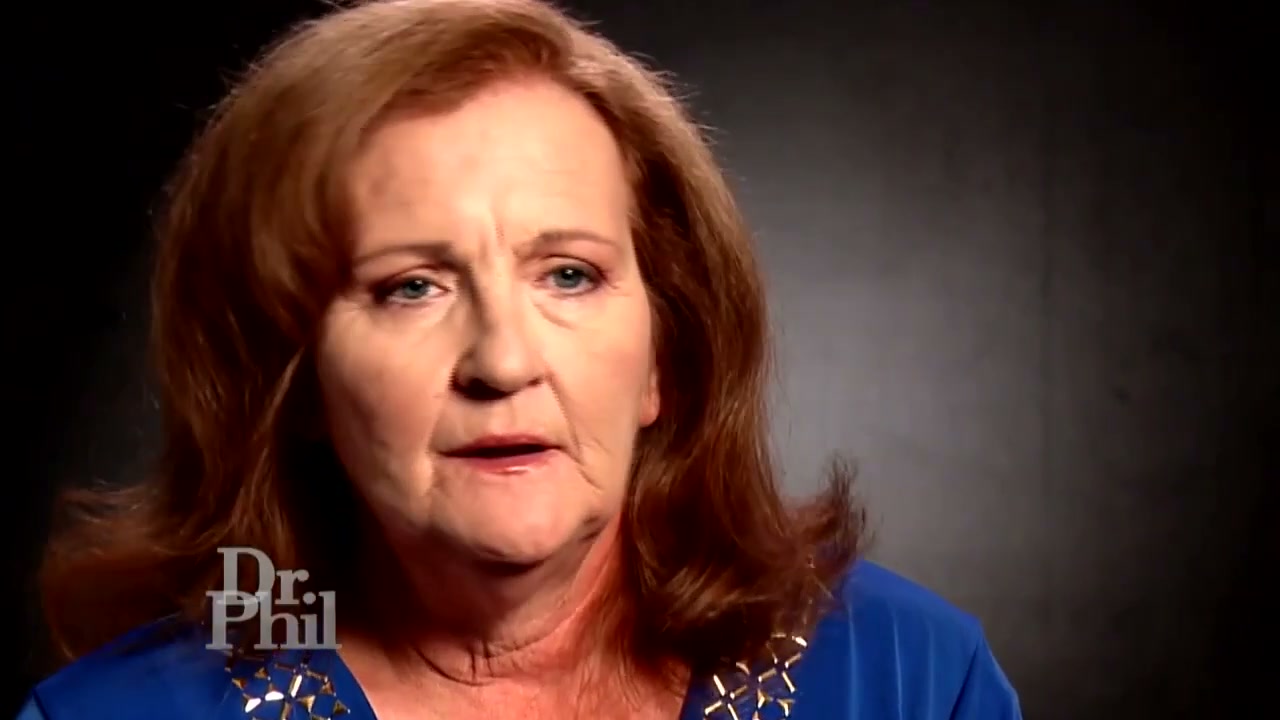
That admission sharpened the concerns raised by his wife, Melissa, and his mother-in-law, Linda. To them, the loans were not merely an unconventional investment in art, but another example of money being diverted away from household needs while bills, childcare, and basic necessities fell to others.
Linda emerged as one of the most forceful voices in the discussion, saying she had repeatedly stepped in to help the family stay afloat. She described paying bills, buying diapers, providing food, covering gas, and supplying other essentials while Nick, in her view, avoided consistent work and continued pursuing an uncertain entertainment career.
Her criticism was not limited to money, because she also challenged the maturity of the King Krimzon persona and what it represented inside the household. Linda argued that the act had become a distraction from adulthood, telling him in effect that being a parent and partner required steadier choices than chasing recognition through an extreme stage identity.
Melissa’s role in the episode was quieter but central, because the conflict was repeatedly framed around the pressure placed on her. The notes from the segment portray her as someone carrying much of the daily burden, caught between loyalty to her husband, concern for her children, and reliance on her mother’s continuing support.
That tension gave the confrontation its emotional stakes. Linda suggested that if Nick did not change, Melissa should consider leaving, a statement that turned the discussion from criticism of an artistic persona into a direct warning about the future of the marriage.
Nick pushed back against the idea that his performance identity explained every problem in the family. He argued that relatives used King Krimzon against him, treating the persona as an easy target rather than acknowledging other conflicts, misunderstandings, and pressures within the household.
He also insisted that he was a good father, a claim that appeared to matter deeply to him during the exchange. Even as others questioned his judgment, employment record, and financial priorities, he tried to separate those criticisms from his relationship with his children.
The segment’s central question was not whether someone can pursue unconventional art while raising a family, because many people do so responsibly. Instead, it asked what happens when that pursuit is funded through debt, supported by relatives, and maintained while a household struggles with immediate needs.
In that sense, the performance persona functioned less as the sole cause of the crisis than as its most visible symbol. The costume, music, and dark branding made for dramatic television, but the underlying issues were ordinary and serious: debt, unemployment, trust, childcare, and the exhaustion of relatives who feel they are being asked to rescue the same situation again and again.
A balanced reading of the episode leaves room for the possibility that Nick’s creative drive is sincere. Artists often invest heavily in projects long before any payoff arrives, and unusual genres or theatrical images can be misunderstood by families who see only risk and embarrassment.
But sincerity does not erase responsibility, especially when children and a spouse depend on stable support. The student loan admission was particularly damaging because it suggested not only poor planning, but a willingness to take on formal debt under one premise and use it for an entirely different purpose.
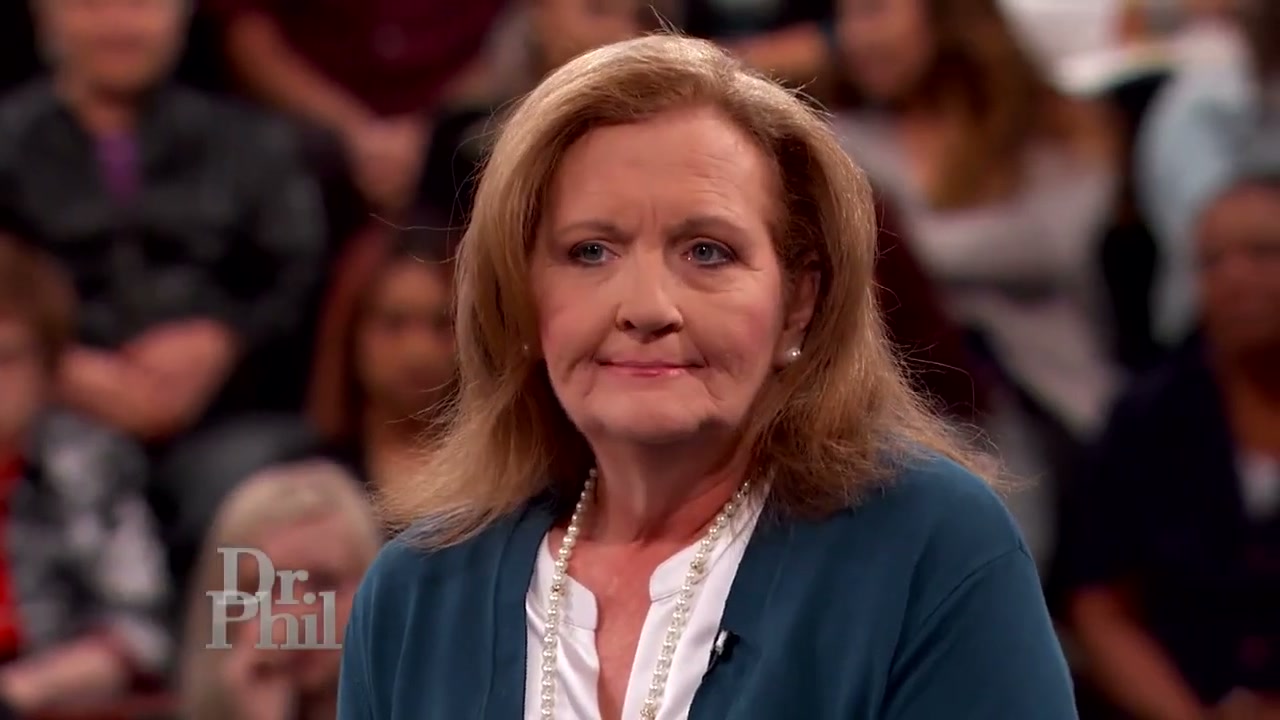
The family’s frustration also appeared to be about repetition. Linda’s list of expenses she had covered suggested a long-running pattern, not a single emergency, and her anger seemed rooted in the belief that temporary help had become an ongoing substitute for Nick’s financial independence.
For Melissa, the emotional burden seemed more complicated than simply choosing sides. She was presented as a partner affected by Nick’s decisions, a mother responsible for day-to-day stability, and a daughter whose family support came with increasingly direct criticism of her marriage.
The television format heightened every disagreement, compressing years of resentment into a short, confrontational exchange. Still, the details described in the segment point to real questions many families face when dreams, debt, and dependents collide.
Nick’s past crimes added another layer because they made his relatives’ concerns harder to dismiss as mere disapproval of a stage act. When someone has already broken trust through theft, incarceration, or financial misconduct, later choices involving loans and household money are likely to be judged against that history.
At the same time, the segment did not portray him as completely indifferent to his family. His defensiveness around fatherhood suggested that he wanted recognition for the parts of his life he believed he was handling, even if others felt those efforts were overshadowed by instability.
That clash between self-image and family perception drove much of the drama. Nick appeared to see King Krimzon as ambition and identity, while Linda saw it as immaturity and Melissa seemed trapped between the man she married and the practical demands surrounding their home.
The broader lesson is not that creative identities are inherently harmful or that parents must abandon artistic goals. The lesson is that ambition becomes harder to defend when it depends on borrowed money, unpaid bills, and relatives who feel pressured to provide the safety net.
By the end, the confrontation seemed less like a verdict on music than a demand for accountability. Nick’s family wanted evidence of change in the form of work, financial responsibility, and consistent parenting, not simply explanations for why his persona had been misunderstood.
The segment left viewers with an uncomfortable portrait of a household where personal reinvention, past mistakes, and present obligations all collided. Whether Nick’s creative dream could survive depended not only on talent or persistence, but on whether he could separate performance from avoidance and rebuild trust with the people supporting him.