A tense Dr. Phil segment put a 19-year-old’s spending, entitlement, and family conflict under a harsh spotlight.
At the center was a young woman who said she had 17 maxed-out credit cards, more than $25,000 in debt, and one central explanation for it all: her mother raised her that way.
The episode framed the dispute as more than a disagreement over shopping or bad budgeting. It became a confrontation about responsibility, consequences, and whether a parent’s permissiveness can explain a young adult’s refusal to change.
The teenager, Cherylyn, described a life filled with makeup, accessories, shopping trips, luxury tastes, and expectations that far exceeded her financial reality. Her mother, Joey, said the behavior had become painful and destructive, leaving the family emotionally strained and financially shaken.
Dr. Phil introduced the conflict by explaining that Joey considered her daughter spoiled, entitled, and out of control.
Cherylyn, however, pushed the blame back toward her mother, arguing that she had never been taught chores, discipline, or accountability.
That claim set the tone for the segment, because Cherylyn did not simply admit she struggled with spending. She insisted her mother had created the pattern by allowing her to grow up without meaningful limits.
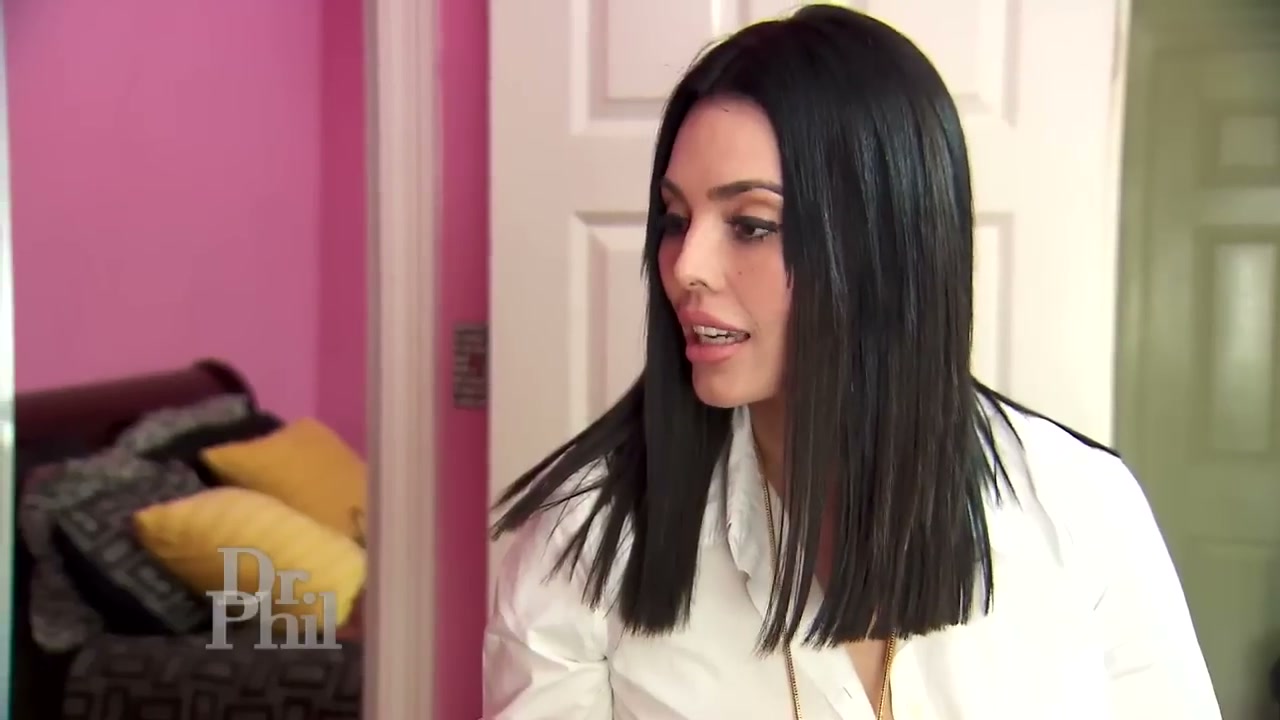
In a taped field interview with correspondent Rosie Marcato, Cherylyn offered a tour of her belongings and habits. The footage showed a room full of beauty products, brushes, perfumes, purses, shoes, and accessories, many of which appeared to go far beyond ordinary use.
Cherylyn openly acknowledged that she owned more makeup than she could realistically need. She described buying products because she wanted them, not necessarily because she had a plan for using them.
The same attitude appeared in her discussion of designer goods and luxury experiences. She spoke about liking expensive items, fine dining, and the feeling of having possessions that suggested status and comfort.
Her expectations around cars became one of the clearest examples of the gap between gratitude and entitlement. She said she wanted a Mercedes and admitted she was disappointed when her parents gave her a BMW for her 18th birthday.
For many viewers, that moment likely captured the emotional imbalance in the family dynamic. A gift that would be extraordinary to most teenagers was described as falling short because it was not the exact symbol of luxury she preferred.
The financial picture was just as troubling as the attitude behind it. Cherylyn said she had 17 credit cards, all maxed out, and owed $25,300, yet she did not present the debt with the urgency one might expect.
Instead, she spoke about bills and spending with a casualness that alarmed the adults around her. The portrait that emerged was not only of a young person who liked shopping, but of someone who seemed disconnected from the consequences of constant buying.
The segment also addressed behavior that went far beyond poor financial judgment. Cherylyn admitted she had stolen her mother’s jewelry and pawned it, despite the pieces having deep sentimental value.

That confession raised the emotional stakes considerably, because Joey described the jewelry as priceless for personal reasons. Cherylyn’s response, according to the segment, showed little understanding of the harm caused by treating family memories as disposable cash.
The issue was not simply whether the jewelry had a high resale value. It was that a daughter had taken something emotionally irreplaceable from her mother and appeared more focused on her own needs than on the pain she caused.
The field interview also included descriptions of tantrums and angry outbursts. Cherylyn admitted to yelling, screaming, throwing things, and behaving aggressively when she did not get what she wanted.
Her boyfriend was mentioned as one target of those outbursts. The segment suggested that her behavior was not limited to financial matters, but showed up in relationships whenever she felt frustrated, denied, or challenged.
One incident at Disney World became another example of how quickly family conflict could turn humiliating. Cherylyn described pushing food into her mother’s face during a meal, a moment that underscored the public and personal nature of the family’s struggles.
Even when recounting that episode, the teenager did not appear deeply remorseful. The lack of visible regret became a recurring issue throughout the segment, especially as her mother’s emotions became more apparent.
Back in the studio, Dr. Phil gave Cherylyn an opportunity to react to the taped footage.
Instead of expressing immediate sorrow or concern, she responded defensively and accused her mother of playing the victim.
That exchange sharpened the confrontation, because Joey became emotional while her daughter seemed focused on resisting blame. The studio atmosphere shifted from discussion to confrontation as the gap between the two women’s perspectives became more visible.
From Joey’s point of view, she was a mother who had given too much and now felt wounded by the result. From Cherylyn’s point of view, her mother had trained her to expect comfort, indulgence, and rescue, then suddenly wanted accountability.
The segment’s most complicated question was whether both things could be true. A parent may contribute to a child’s lack of discipline, but an adult child still has to confront the damage caused by her own choices.
Dr. Phil’s framing leaned into that tension by refusing to let the conversation stay only in the past.
While Cherylyn emphasized how she had been raised, the discussion repeatedly returned to what she was doing now and whether she was willing to stop.
The teenager’s argument rested on a familiar complaint from young adults raised with few responsibilities. If no one required chores, limits, budgeting, or consequences during childhood, she argued, then it was unfair to expect those skills to suddenly appear.
That argument has some emotional logic, because life skills are taught through repetition, structure, and boundaries. Children who are never asked to contribute or wait may struggle when adulthood demands restraint.
Still, the segment made clear that explanation is not the same as absolution. Cherylyn was 19, legally an adult, and her actions included not only overspending but also stealing, lying by omission, and dismissing her mother’s grief.
The credit card debt also pointed to a practical crisis that could not be solved by assigning blame alone. Whether the original problem came from permissive parenting, impulsive behavior, or both, the bills remained real and would require a plan.
A balanced reading of the episode suggests that Joey may have enabled some of the behavior she now condemned. If a child is repeatedly protected from consequences, given expensive gifts, and not expected to contribute at home, entitlement can take root.
But the same balanced view also requires recognizing that Cherylyn’s attitude deepened the harm. Her refusal to show empathy, especially over the pawned jewelry, made the conflict feel less like immaturity and more like a serious failure to appreciate other people’s feelings.
The luxury focus added another layer to the story, because status appeared to matter as much as comfort. Wanting a specific car, owning excess beauty products, and seeking high-end experiences all suggested that image had become part of her identity.
That kind of identity can be difficult to unwind, especially when spending provides emotional reward. Shopping can become a way to feel powerful, admired, or soothed, even while the financial consequences grow worse.
The episode did not present Cherylyn as a simple villain, despite the confrontational tone. It showed a young woman who appeared deeply unprepared for adulthood and deeply resistant to admitting the pain her behavior caused.
Nor did it present Joey’s role as simple. A parent who wants to provide love, comfort, and opportunity can unintentionally teach a child that wants are emergencies and limits are negotiable.
The most striking part of the segment was not the number of credit cards or even the expensive tastes. It was the emotional disconnect between a mother in tears and a daughter who seemed more annoyed than moved.
That disconnect made the story resonate beyond one family’s financial mess. Many households struggle with the line between generosity and overindulgence, and with the difficult moment when a child who was rarely told no must finally hear it.
For Cherylyn, the path forward would require more than paying off balances or cutting up cards. It would require accepting that her upbringing may explain some habits, but her future depends on taking ownership of them.
For Joey, the path forward would likely require firmer boundaries and an end to rescuing behavior. Love would have to become less about giving in and more about insisting on accountability, even when that creates conflict.
The segment’s power came from watching blame collide with consequence in real time. Cherylyn could point to the way she was raised, but the debt, the stolen jewelry, and the family hurt showed that adulthood had already arrived.