
A moving performance in the AGT Music Room transformed a familiar remix into a striking declaration of identity, ambition, and purpose for viewers watching the latest digital release from America’s Got Talent, where the stage was intimate but the emotions felt unmistakably arena sized through every line and pause there. Years after first bringing the song into her career, Flau’jae returned to “Ready Or Not†with renewed conviction, explaining before the performance that the track still captures how she feels, who she is, and what she represents today as both an entertainer and a young public figure to audiences everywhere.
Introducing the number, she called it “Ready and Not Freestyles,†described it as a beautiful song and remix, and credited Lauryn Hill and Wyclef Jean for inspiring the version she has made her own over the past several years, blending tribute with autobiography in a way that felt natural onscreen. She also noted that she had previously brought the song back for AGT All Stars after receiving a blessing to perform it, underscoring how central the piece has become to her creative story and to the personal narrative audiences now associate with her rise within the show’s expanding music universe.
Once the music began, the performance shifted from explanation to testimony, with verses that linked self belief, public responsibility, and the demands placed on a young Black woman navigating fame. Her delivery was measured yet intense, allowing every phrase to land with clarity before the next beat pushed forward again.
In one of the song’s most memorable passages, she declared that she could probably be president, framed herself as a voice of the youth, and insisted that confidence is too often misunderstood as arrogance. The line worked as both a boast and a critique of how young women are judged.
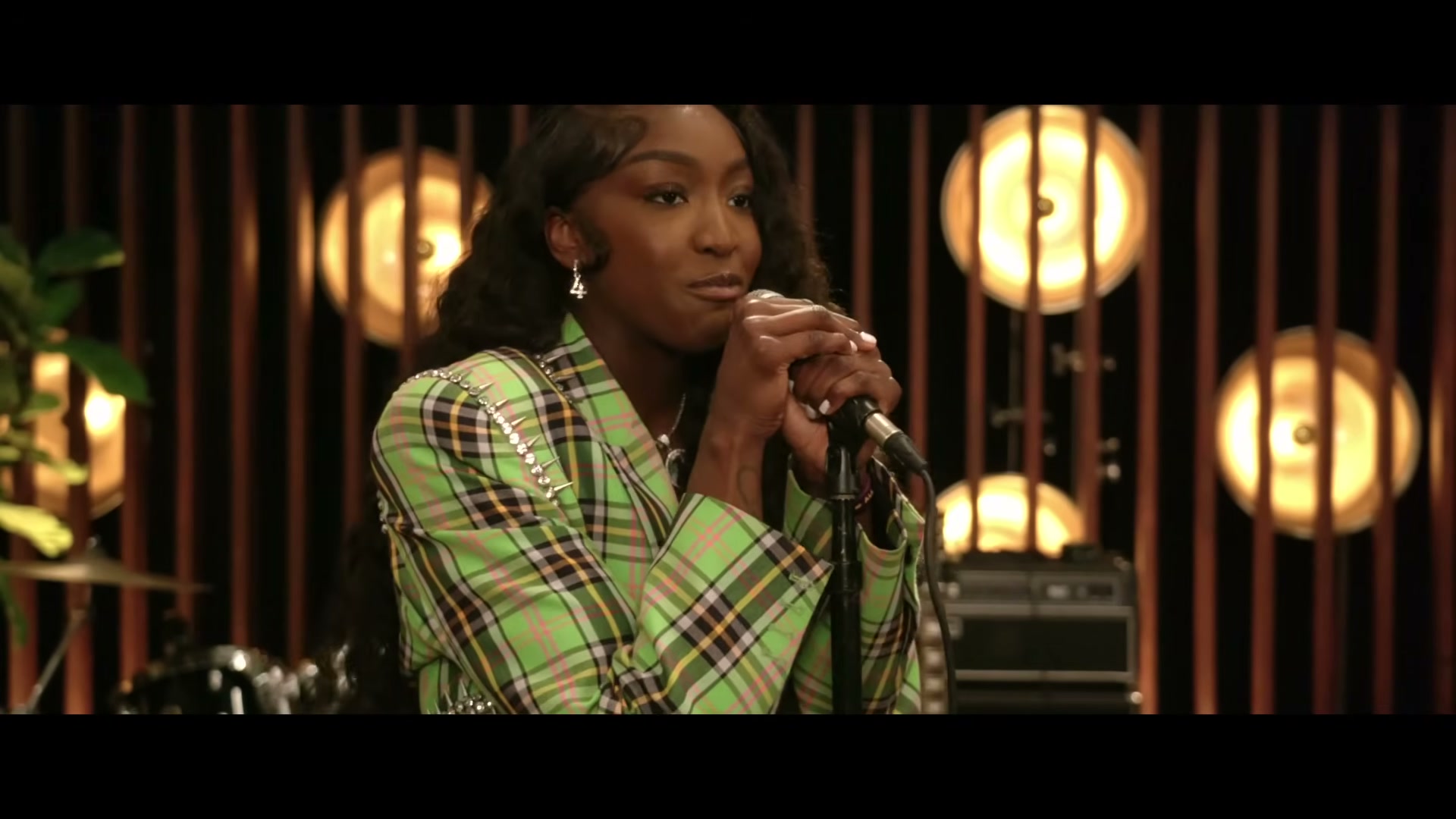
Another section widened that message by rejecting easy shortcuts to visibility, as she contrasted her path with the pressures that can encourage artists to trade substance for attention. Instead, she presented discipline, self respect, and craft as the foundation of her career, turning the verse into a clear mission statement.
She then folded in basketball imagery, referencing a three point shot and a raised arm, a natural touch for a performer whose athletic life has long existed alongside her recording career. The reference bridged two audiences, reminding fans that her competitive mindset travels with her from court to microphone seamlessly.
Beyond ambition, the lyrics also made room for vulnerability, especially when she praised her own beauty, affirmed her dark complexion, and spoke about love with the clarity that comes from hard lessons. Those lines introduced a softer register, showing that confidence in this performance was rooted in reflection too today.
Her advice to put first the person who is also choosing you stood out as one of the evening’s most relatable observations, grounding the broader themes of aspiration in everyday emotional experience. It was the kind of line that travels quickly online, because it sounds personal while feeling widely understood.
As the performance continued, the writing turned inward again, acknowledging stress, perfectionism, and the struggle to reconcile high expectations with personal ethics in a life moving at public speed. That section gave the song its emotional center, revealing an artist who is not simply projecting certainty but working through it.
When she declared that she finally understands her power and that her presence is essence, the room seemed to tighten around the statement, as if the song had arrived at its truest purpose. The phrase summed up her growth, compressing years of experience into a brief moment of earned clarity.
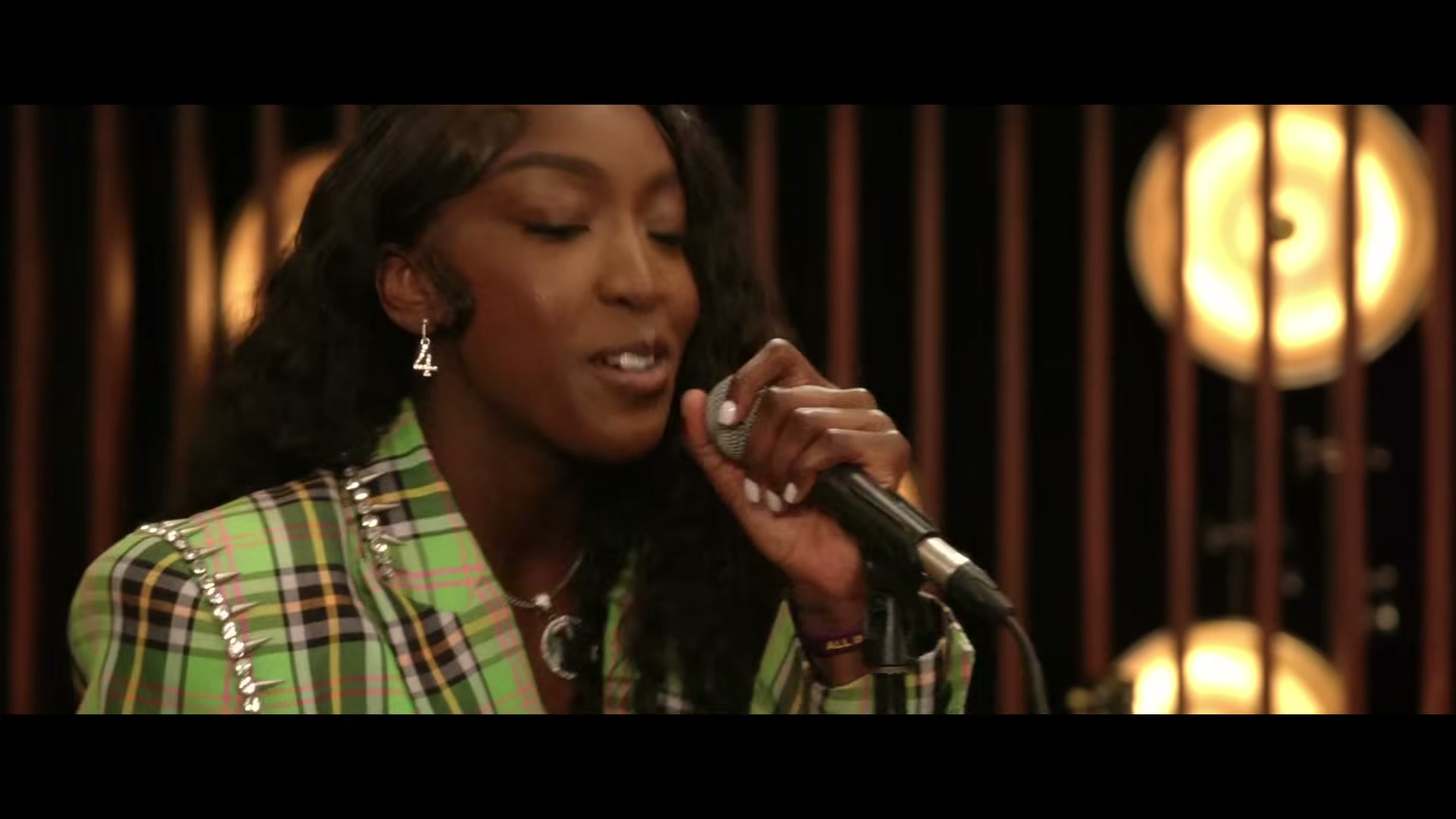
The chorus that followed gave the performance its sense of lift, as she repeated that it was her time now and framed her progress as the result of giving everything she had. The words carried the cadence of an arrival, balancing celebration with the memory of what it took there.
She tied that determination to family by recalling her mother’s encouragement to keep shooting for the moon, adding a note of intimacy that broadened the performance beyond career milestones and into legacy. In that moment, ambition sounded less like self promotion and more like a promise being honored at last.
The familiar refrain, borrowed from the classic original, added instant recognition while allowing her interpretation to remain distinctly personal, a balance she acknowledged by thanking Wyclef, Lauryn Hill, and the Fugees after finishing. That gesture framed the performance as conversation, linking heritage to reinvention without diluting either side for listeners.
Even with that tribute, the song’s closing message was unmistakably current, as she repeated that she wants to leave things better than she found them before turning toward a broader social appeal. The transition felt organic, because personal success had already been presented as inseparable from responsibility to others nearby.
Near the end, the performance expanded from autobiography to advocacy, with a stark call to save the children that gave the final section a communal urgency beyond individual achievement. It was not a policy speech, but rather an emotional warning that suggested fame means little unless it is used constructively.
That choice echoed the artist’s opening claim that the song tells her story, because the narrative she offered was never only about personal advancement but about representation, example, and the responsibilities attached to visibility. By ending there, she made clear that her success is measured in impact as well too.
After the last note, she relaxed the mood with candid humor, admitting she may have made several mistakes and laughing that listeners probably would not have noticed because she covered them. The comment revealed the craft behind the spontaneity, but also the self awareness of a performer still chasing growth.
Taken together, the AGT Music Room appearance served as both performance and portrait, showing why this song continues to matter years after it was written and why its message remains central to the artist standing behind the microphone today. For viewers, it felt like a return with deeper roots showing.