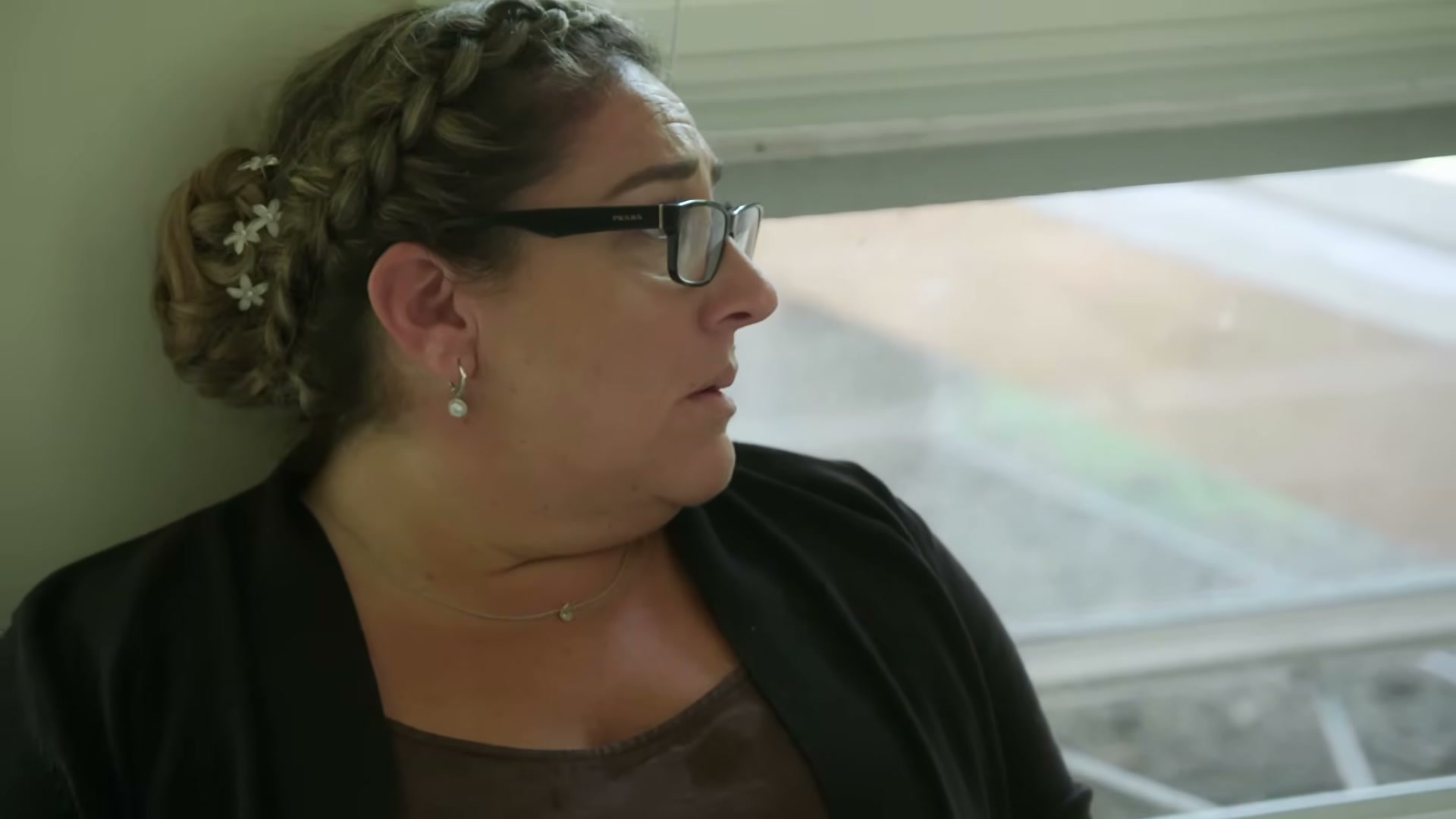
A family’s move to Oahu was supposed to mark the start of a gentler, brighter chapter, with island life offering space, beauty, and a hopeful setting for raising three young boys. Instead, the household Supernanny enters is tense and exhausted, with four-year-old triplets testing every boundary while the adults around them struggle to agree on what those boundaries should be.
The episode presents the Jones-Nicolich family at a breaking point, not because love is absent, but because love has become tangled with fatigue, denial, and inconsistent discipline. Heather and Todd clearly want the best for their sons, yet their different instincts as parents have left them reacting separately rather than leading together.
Their story begins with a long road to parenthood, including fertility struggles and the eventual arrival of triplets through surrogacy. That background gives emotional weight to the parents’ desire to cherish their children, but it also helps explain why discipline has become complicated, especially when each boy demands attention at the same time.
The boys are introduced as distinct personalities, each with charm and challenges that shape the family dynamic. Skyler is described as especially defiant, Kai as playful and silly but quick to frustration, and Holden as affectionate yet prone to emotional upsets that can quickly escalate.
What Jo Frost observes, however, goes far beyond ordinary preschool mischief or the expected noise of three young children sharing one home. The triplets scream, ignore instructions, mock adult authority, resist timeouts, and appear to take control of the room whenever the adults hesitate.
The behavior is difficult to watch because it reveals how little confidence the children have in the household structure. Rather than responding to clear expectations, they seem to push until someone gives in, steps away, or passes the problem to another adult.
Heather’s professional background as a child psychiatrist adds a striking layer to the episode, because she understands child development yet struggles to apply firm structure inside her own family. She describes herself as warm and empathetic, qualities that can be deeply valuable, but Jo quickly sees that empathy without boundaries is leaving the children unanchored.
Todd, by contrast, sees himself as the disciplinarian and appears more willing to impose consequences when the boys misbehave. The problem is that his approach does not consistently align with Heather’s, so the children receive mixed signals and learn to exploit the distance between their parents.
This divide becomes one of the episode’s central issues, because children as young as four rely on adults to present a steady and predictable front. When one parent softens a limit and the other tries to enforce it, the lesson is not cooperation but confusion, and confusion soon becomes defiance.
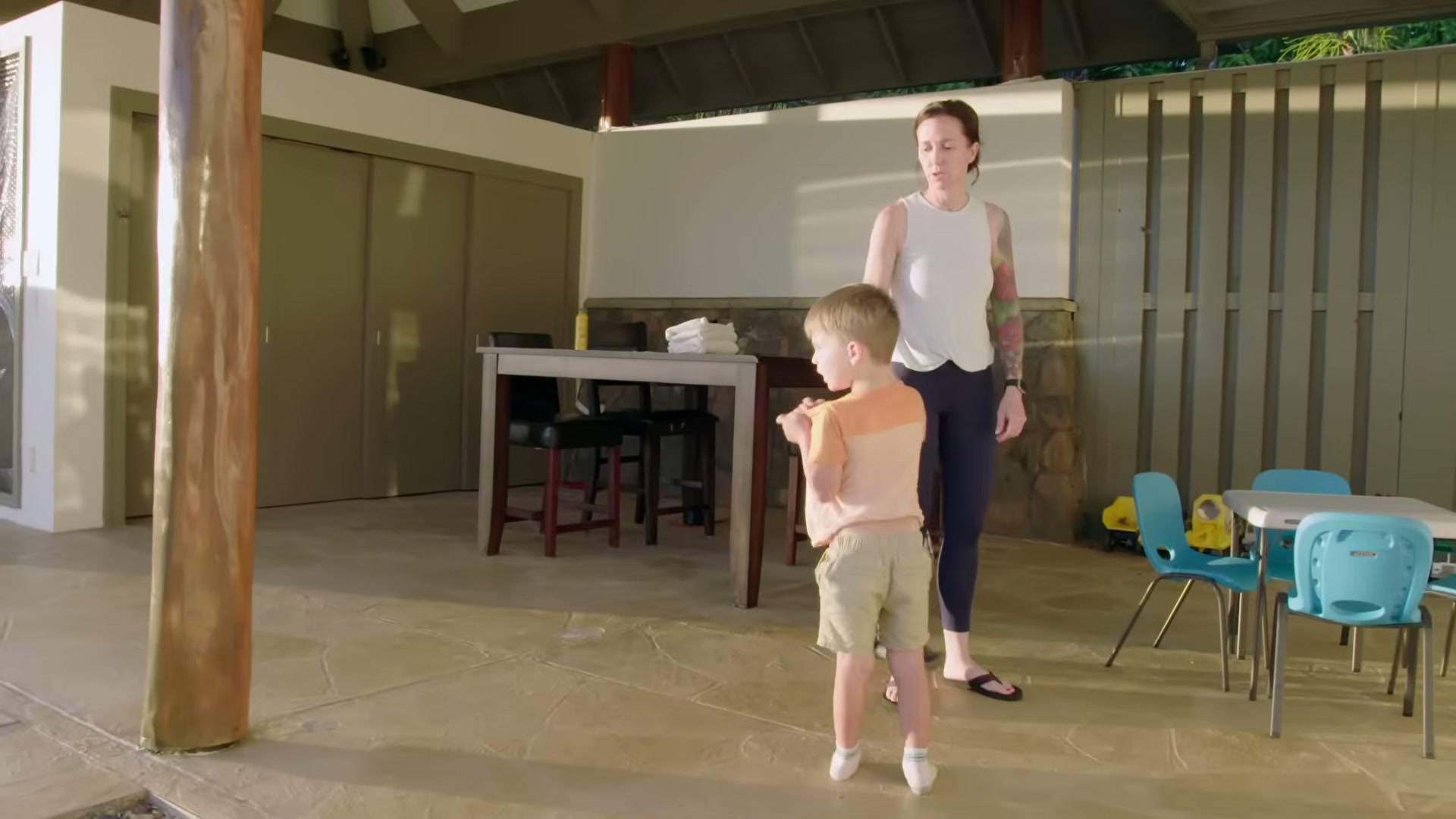
The most painful part of the family system involves Patty, the grandmother known as Tutu, who moved from Portland to Hawaii to help. What may have begun as loving support has gradually become something heavier, with Patty functioning less like a visiting grandparent and more like an unpaid third parent.
Jo is visibly troubled by how much responsibility has fallen on Patty’s shoulders. The grandmother appears emotionally drained, and when she says she has nothing left to give, the statement lands as more than a complaint; it sounds like a warning.
The episode’s title points directly to this imbalance, but the story avoids treating Patty as merely a victim or the parents as careless villains. Instead, it shows how family members can slide into unhealthy arrangements gradually, especially when everyone is trying to survive one chaotic day at a time.
Still, Jo does not soften the truth for comfort. She challenges Heather and Todd to recognize that relying so heavily on Patty is not a sustainable parenting plan, and that their sons need parents who are fully present, united, and accountable.
That directness creates friction, because the parents do not immediately welcome Jo’s blunt assessment. Their defensiveness is understandable on a human level, since being confronted about parenting choices on camera would be painful for anyone, but the episode makes clear that discomfort is necessary if the family is going to change.
Jo’s critique centers on denial, a word that can sound harsh but fits the pattern she identifies. The adults can describe the chaos, complain about the exhaustion, and acknowledge the boys’ behavior, yet they still struggle to accept their own roles in maintaining the cycle.
The children’s resistance to timeouts becomes a useful example of the larger issue. A timeout is only effective when adults calmly and consistently follow through, but in this home the boys appear to treat it as another opportunity to negotiate, perform, or overpower the person in charge.
That does not mean the children are bad or beyond help. It means they have learned that escalation works, and at four years old, they are responding to the environment the adults have unintentionally created.
The Hawaii setting adds an ironic contrast throughout the episode. Outside the family home is the image of a dream destination, but inside, the parents and grandmother are trapped in patterns that make paradise feel like pressure.
This contrast gives the episode emotional resonance because it challenges the fantasy that a beautiful location can solve deep family stress. A move can offer a fresh start, but without shared expectations and healthy roles, old problems simply follow the family into a new landscape.

Heather’s warmth is not portrayed as meaningless, and Todd’s desire for discipline is not dismissed as wrong. The issue is that each parent is holding only part of the solution, while the children need both emotional connection and firm, consistent limits.
Jo’s role is to force those pieces together. She pushes the parents to stop defining themselves in opposition to each other and start building a shared system that the boys can understand.
The grandmother’s role also needs redefining, and this may be the most urgent correction in the home. Patty can love her grandchildren, help occasionally, and remain an important family figure, but she cannot be the pressure valve for every parental disagreement or meltdown.
The episode is especially effective when it shows how overreliance on a grandparent can harm everyone involved. The parents lose confidence, the grandmother loses energy, and the children learn that authority is scattered across too many exhausted adults.
Jo’s shock is not simply about volume or tantrums. It is about seeing adults who love the children deeply but have allowed the family hierarchy to blur until no one seems fully in charge.
For viewers, the episode offers a familiar lesson in an intensified form. Many families lean on relatives, disagree over discipline, or struggle with children who push limits, but triplets magnify every inconsistency and leave almost no room for improvisation.
The balanced takeaway is not that Heather and Todd have failed as parents, but that good intentions have not protected them from unhealthy habits. Their love, education, and sacrifices matter, yet they cannot replace the daily work of united leadership.
As the confrontation unfolds, Jo’s message becomes clear: the adults must change first if they expect the children to change at all. The boys need less arguing, less rescuing, and less uncertainty, and they need more calm repetition from parents who agree before the crisis begins.
The episode’s power lies in its refusal to reduce the family’s problems to one person’s flaw. Heather’s empathy, Todd’s firmness, Patty’s devotion, and the boys’ strong personalities all contribute to a system that needs rebalancing rather than blame.
By bringing denial into the open, Jo gives the family a chance to stop surviving and start rebuilding. The dream of raising children in Hawaii is not lost, but it depends on whether the adults can reclaim their roles, protect the grandmother’s wellbeing, and give three energetic boys the structure they have been missing.