
A widely shared parenting clip is drawing attention to a simple message about discipline: the way adults speak to children after a timeout matters just as much as the consequence itself. The segment argues that a calm, ordinary tone helps children understand the boundary has been enforced and that the relationship is returning to normal.
In the video, the parenting expert revisits a household after several days away and uses recorded footage to review where the parents struggled. By replaying real moments, the coach says mothers and fathers can see their mistakes more clearly and make practical changes that last beyond a single difficult day.
One of the first concerns raised in the review is the family’s use of a so called naughty room that also serves as a guest room and video game space. The expert praises the parents for quickly agreeing to remove the television, saying discipline works best when a consequence area has one clear purpose and does not send mixed messages.
That point reflects a broader principle repeated throughout the clip: children respond better when rules are predictable and environments are easy to understand. If a room is linked with correction one moment and entertainment the next, the lesson can become confusing for both the child and the parent trying to stay firm.
Another lesson centers on what happens after a child has completed a timeout but remains upset or withdrawn. The expert tells the parents that children are allowed to feel disappointed, and that sulking alone is not a fresh offense requiring another trip to the timeout space.
Instead, the guidance recommends a marked shift in tone once the punishment ends, moving from a firm disciplinary voice back to an everyday voice. In practical terms, that means inviting the child to help in the kitchen, join an activity, or simply reenter family life without continued scolding.

The clip also examines a second case involving a young boy repeatedly getting off the step during timeout while his father grows visibly frustrated. According to the expert, the child begins to see the exchange as a game because the adult keeps repeating commands without kneeling down, making eye contact, and explaining the reason for the consequence.
Her advice is straightforward: return the child to the step as many times as necessary, but do it with patience and consistency rather than anger. The first attempt may feel exhausting and slow, she says, yet the time required usually drops when children learn the rule will be enforced the same way every time.
A key warning in the segment is that parents should avoid creating the impression that physical force is what finally secures compliance. The coach stresses that the adults are fully capable of placing a child on the step without escalating, and that endurance, not intensity, is what changes behavior over time.
The video frames these moments not as isolated parental slipups but as common mistakes that can be corrected with coaching and follow through. By showing the family their own footage, the expert turns abstract advice into a concrete lesson, allowing them to recognize both mixed signals and missed opportunities for calmer communication.
As the household begins to apply the new rules, the atmosphere shown in the follow up scenes appears more organized and more confident. The once multipurpose room is no longer treated as a play area, and the parents speak as though they now understand that persistence, not improvisation, will carry the method forward.
That shift is reinforced by a small but telling exchange at the table, where the father lowers himself to the child’s level and gives a clear choice. The expert immediately praises the moment as excellent, signaling that calm proximity and direct explanation can stop unwanted behavior before a timeout becomes necessary.
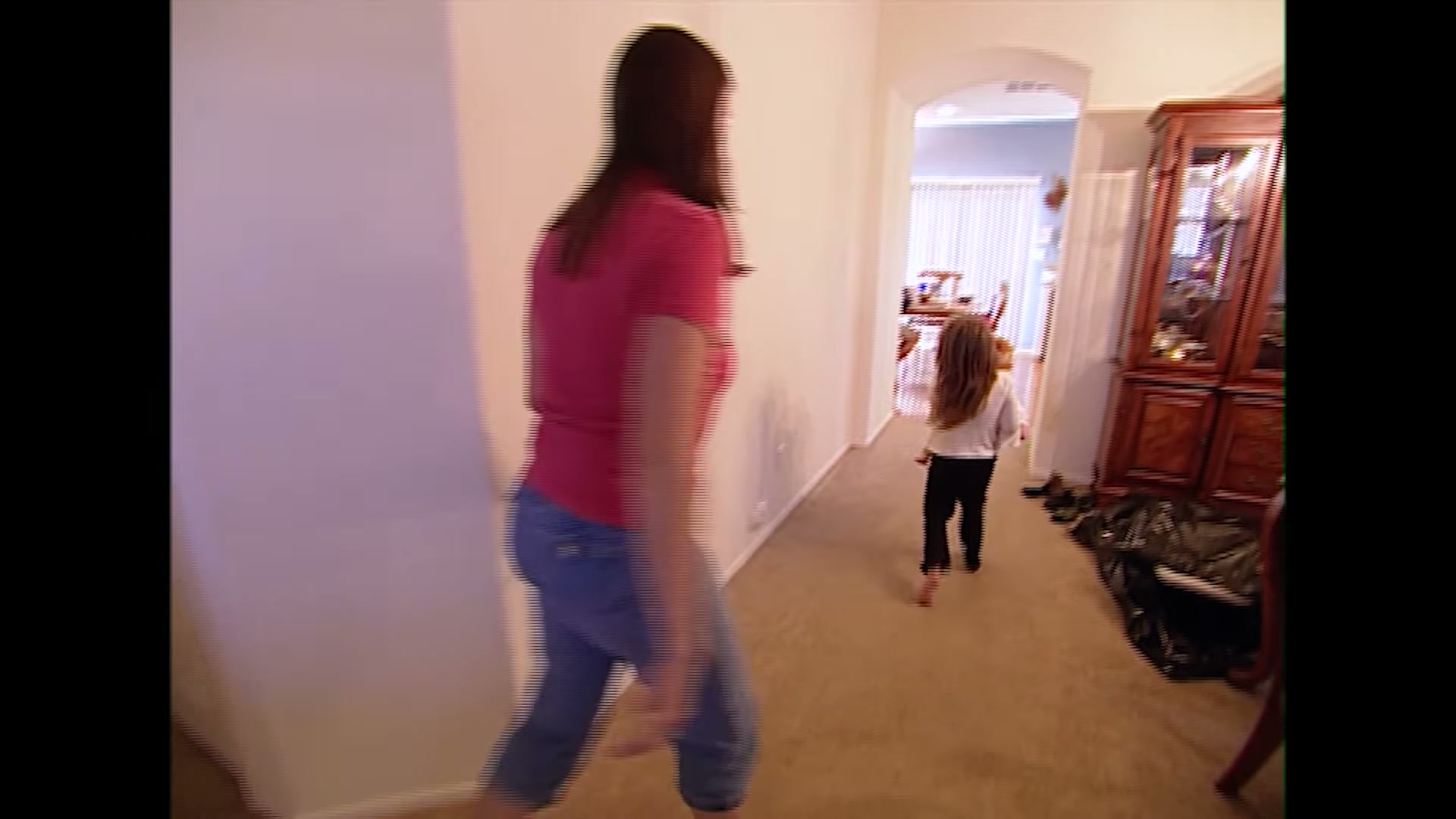
The father’s response in the clip suggests the coaching changed more than a single technique and instead altered his role within the family. He says the children now know he will no longer remain distant when trouble starts, but will take an active, visible part in setting limits alongside their mother.
For the mother, the message appears equally personal, with the program presenting discipline as a source of self respect rather than guilt. She describes the intervention as a reality check and expresses confidence that the family’s children will benefit because the adults are finally applying the rules correctly and together.
The segment’s broader appeal lies in how it translates child psychology into routine household habits that viewers can immediately picture. Rather than relying on dramatic confrontations, the advice emphasizes consistency, emotional neutrality, and transitions that help children understand both the consequence and the return to ordinary family interaction.
That focus aligns with a long running theme in television parenting advice, where successful discipline is shown as more method than mood. The adult does not need to outshout the child, the clip implies, but does need to be steady enough that boundaries remain credible even when emotions rise.
Because the original episode footage dates from an earlier television era, the online release carries a nostalgic look, but its lesson feels current. Families still wrestle with repetitive misbehavior, inconsistent responses, and the question of how to correct children firmly without extending conflict long after a consequence has ended.
In that sense, the clip functions as both entertainment and a compact lesson in family management for a digital audience. Its central claim is simple but demanding: once a rule is set, adults must apply it the same way every time, then switch back to warmth when the moment of discipline is over.
For viewers, the takeaway is less about any single household and more about a repeatable pattern: clear rules, calm explanations, patient follow through, and a normal voice when the timeout ends. In the crowded world of parenting advice, that combination gives this short video a practical edge, offering not quick fixes, but habits that can gradually reshape behavior.