In a tense episode of Supernanny, a family turned to expert guidance after their older son developed a troubling pattern of rough behavior toward other children and his baby brother. His parents described repeated incidents during playdates, mounting concern at home, and growing fear that his conduct could shape how others viewed him in everyday settings around town.
The mother said it was painful to see her child gain a reputation for hurting others, while the father acknowledged that the boy was regularly too rough with his younger sibling. Their frustration deepened when disciplinary efforts failed, including timeouts that ended almost immediately as the child marched away and ignored instructions from both parents at home daily.
One setback appeared especially serious when the family received a call from daycare informing them that their son was being removed because of his behavior. The mother recalled feeling devastated by the news and said she had struggled to find a preschool willing and able to manage a child whose actions had become increasingly difficult for staff members.
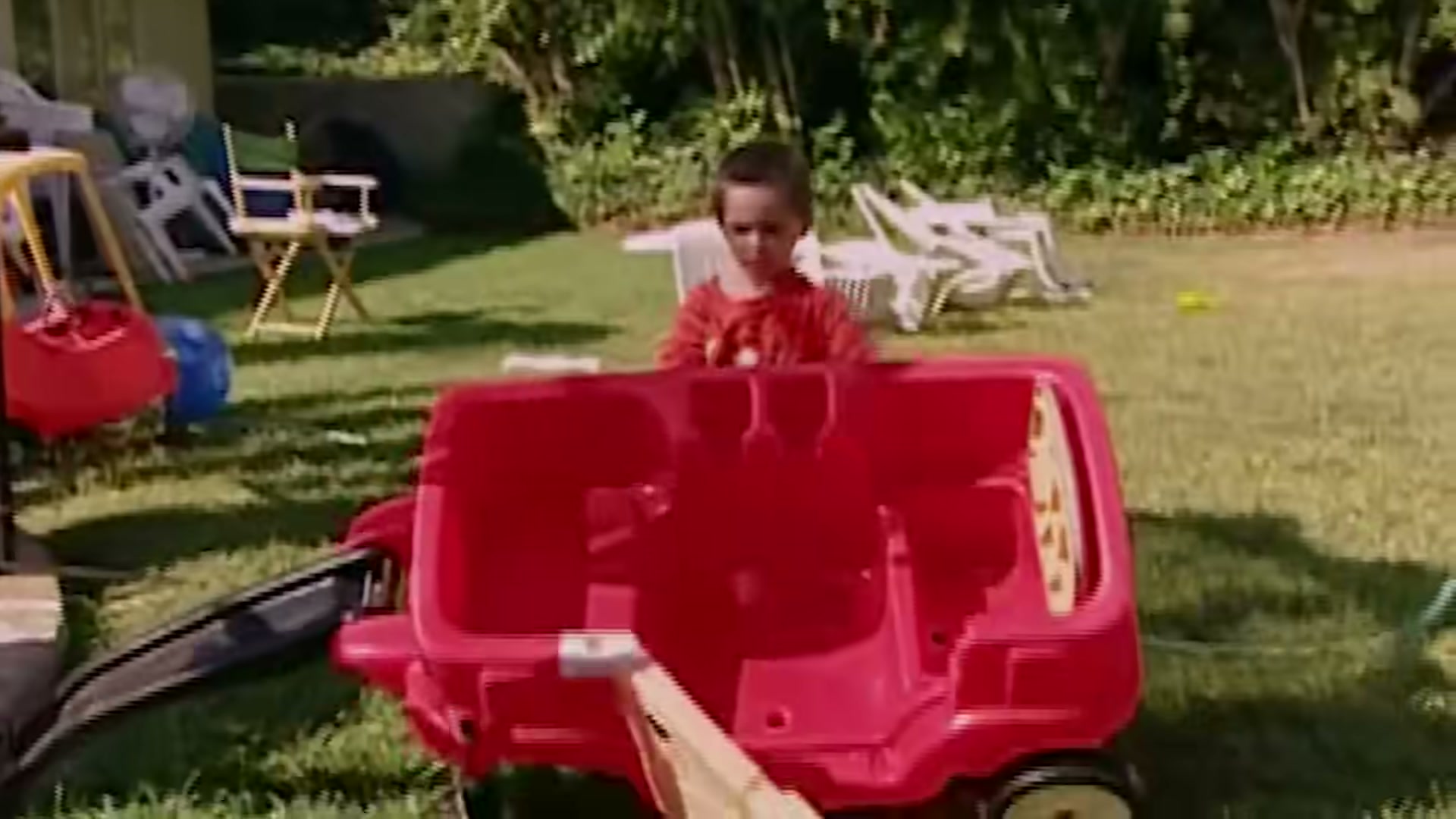
When the nanny arrived, she began with quiet observation in the backyard, where the mother was trying to supervise both boys during ordinary play. The scene quickly shifted from routine to chaotic after the child resisted a simple direction to stop playing with water, then reacted with shouting, defiance, and a burst of destructive behavior inside the house.
As furniture was pushed and emotions rose, the mother warned her son repeatedly, threatened a longer timeout, and pleaded for him to come back and listen. The nanny concluded that the child’s intense temperament required firmer limits and that the mother, despite clear concern, was allowing too much room for argument and delay before consequences were enforced consistently.

Her first priority, she explained, was the aggression directed at the baby brother, a pattern captured again as the older child kicked at him during play. Rather than offering lengthy explanations in the moment, the nanny advised a clear warning delivered at the child’s level, with steady eye contact and a tone that communicated immediate parental authority clearly.
If the warning was ignored, she said, the parent should calmly guide the child to a designated wall in whatever room they were using and tell him to sit and stay. The approach was meant to be simple, direct, and predictable, reducing negotiation while making sure the consequence matched the behavior without adding confusion or drama for anyone.
When the child tested that instruction by standing up and moving away, the nanny intervened with a noticeably firmer voice and ordered him back to the spot. The immediate reaction surprised the mother, who saw that her son responded to stronger expression of authority and asked how she could stop him from turning discipline into a prolonged game.
The answer, the nanny said, was consistency, returning the child to the same place every time he broke the rule and following through without hesitation. Repetition was not a sign that the method had failed, she argued, but part of teaching boundaries to a child who had learned that persistence, noise, and resistance could wear adults down eventually.
After the child remained on the spot for the required period, the parent was instructed to explain briefly why he had been placed there. The nanny also emphasized a final step often missed in daily discipline, asking the child to behave properly, apologize to his brother, and reconnect through a hug once the timeout had ended at home.
The segment presented those steps not as a quick fix, but as part of a larger effort to restore calm, structure, and parental confidence in a household under strain. By narrowing the focus to one repeated problem, the nanny modeled a strategy that viewers could follow more easily than abstract advice about improving behavior in general for families.

The parents’ challenge, however, extended beyond a single afternoon, reflecting broader worries about school readiness, social development, and the impact of constant conflict on family life. The mother’s comments suggested deep anxiety about being judged by others, while the father’s remarks pointed to exhaustion from seeing the younger child repeatedly targeted during everyday interactions at their busy home.
Reality television often condenses long struggles into a few scenes, yet this episode underscored how quickly routine moments can become flashpoints when limits are unclear. A request to turn off water, a refusal to listen, and minutes of escalating emotion were enough to reveal a cycle in which instruction, challenge, and consequence had fallen out of balance badly.
For viewers, the most memorable lesson may be less about punishment than about the relationship between clarity and consistency in parenting. The nanny did not suggest harsh measures, but rather a calm sequence of warning, removal, waiting, explanation, and reconciliation, designed to teach that certain actions bring immediate and dependable consequences every time for this family at home.
The program’s enduring appeal lies partly in such moments, where familiar domestic stress is framed as a practical challenge that can be addressed step by step. In this case, the issue was not simply childhood mischief, but a serious pattern of sibling aggression and social disruption that had already affected childcare, friendships, and parental peace of mind considerably.
The episode closed on a calmer note, with the child prompted to acknowledge what he had done and offer an apology and hug to his brother. That ending did not erase the turmoil, but it illustrated the program’s belief that behavior begins to improve when adults set limits, enforce them steadily, and help children repair relationships after wrongdoing.
Drawn from episodes originally broadcast between 2004 and 2012, the clip has been recirculated online as part of the show’s continuing digital presence. Its message remains current for parents confronting similar problems: early intervention, consistent responses, and respectful correction may not transform a child overnight, but they can create the foundation for safer and healthier family life ahead.