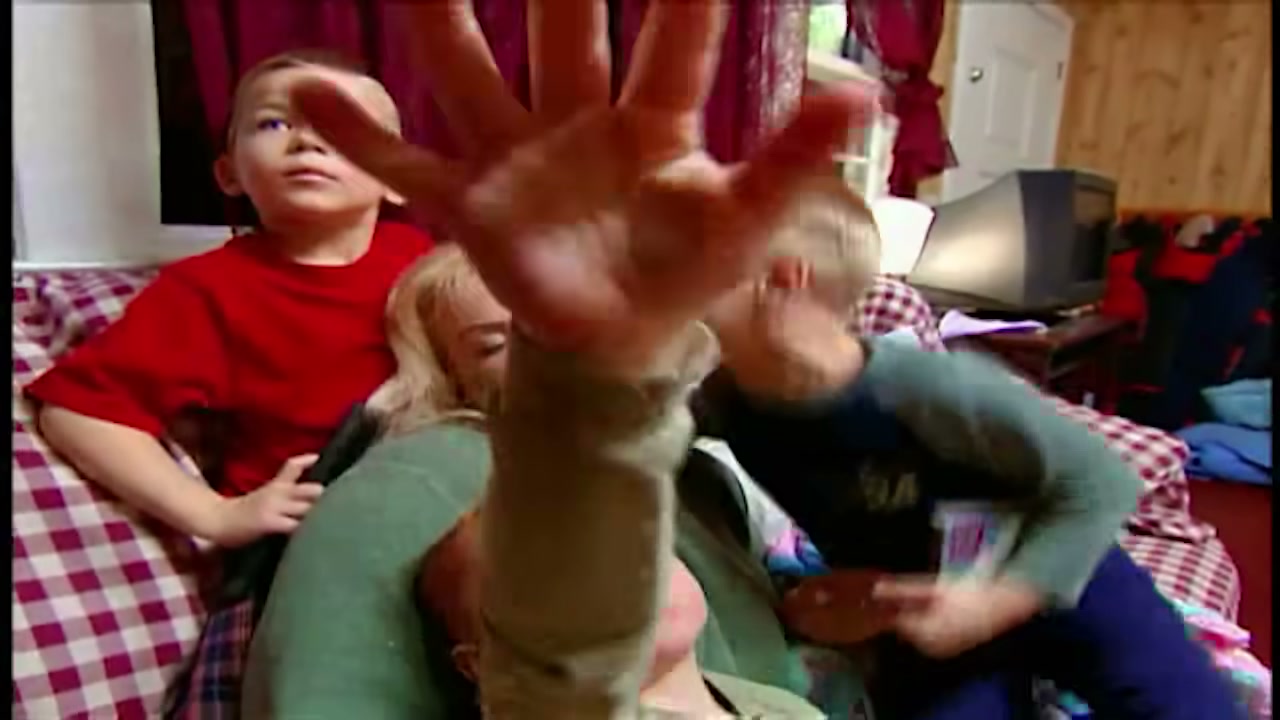
A troubling episode from the long running parenting series shows a single mother struggling to manage five young children while returning to school. The household, led by one exhausted parent and four energetic boys plus an older daughter, appears overwhelmed by constant noise, arguments, and disorder.
The program opens with the mother introducing her family and describing the daily pressure of raising seven year old daughter and two sets of twin boys, ages five and four. She explains that divorce, solo parenting, and teacher training have stretched her time and patience to the limit.
According to her account, the children often speak rudely, ignore basic instructions, and challenge nearly every request. She says she feels outnumbered, forced to play both comforter and disciplinarian, while trying to keep everyone safe and moving through the day.
The series expert arrives to observe, and the mood changes almost immediately as the smiling welcome gives way to rough play and thrown objects. What begins as energetic movement quickly becomes a scene of children colliding, shouting over one another, and dismissing repeated corrections.
The mother is shown stepping in again and again, using short warnings that rarely slow the momentum for more than a few seconds. The television clip presents a familiar pattern in high stress homes: the adult speaks, the children continue, and tension rises with each failed attempt.
Mess fills nearly every corner of the house, with markings on walls, broken items, and scattered belongings suggesting a home under relentless pressure. The mother says she returns home wanting to leave again, a stark admission that captures her sense of defeat and emotional exhaustion.
Nighttime brings little relief, with one child waking frightened and the broader household rhythm remaining unsettled even after dark. Rather than a calm end to the day, the footage suggests that conflict, fatigue, and emotional strain simply roll into the next morning.

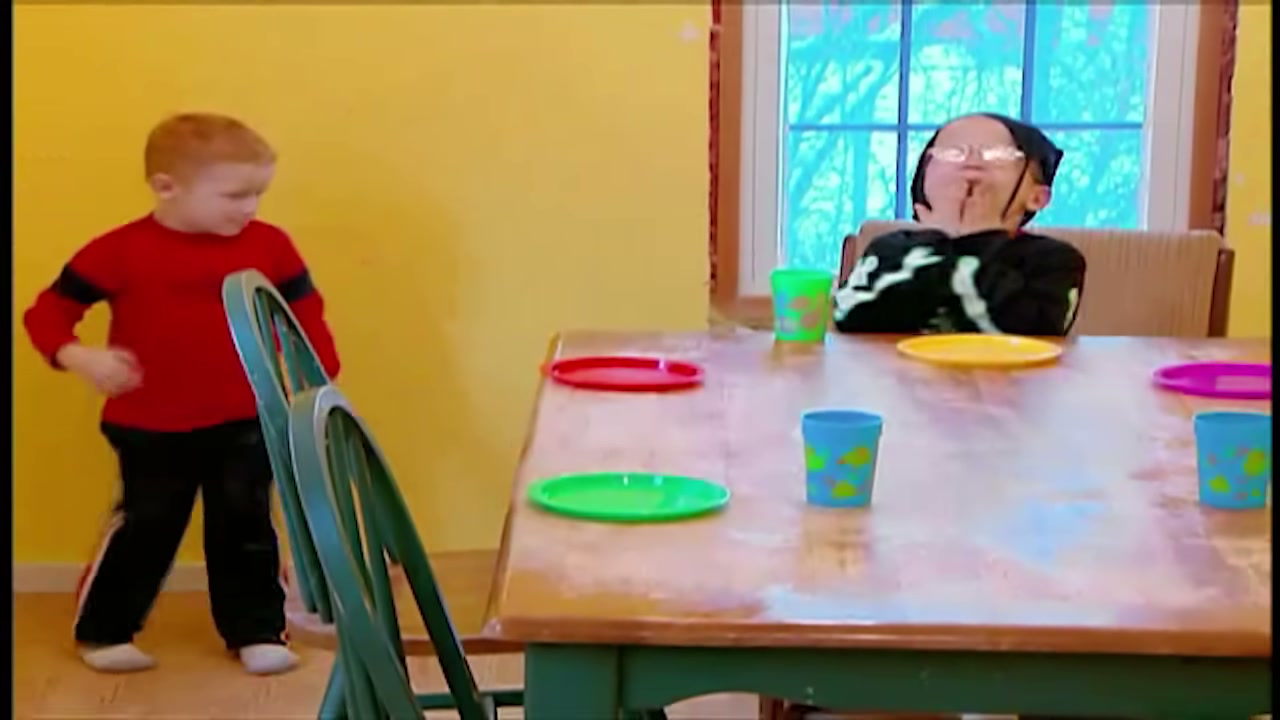
During lunch preparations, the expert watches as the mother tries to move the family into a routine that should be ordinary. Before food even reaches the table, two of the boys are grappling, another argument erupts, and the parent is pulled away to separate them.
The scene highlights the central challenge of the episode: one adult cannot effectively supervise five children when several need immediate attention at once. As she intervenes in one dispute, another problem starts nearby, leaving no time to explain consequences, model calm behavior, or restore order.
At one especially alarming moment referenced in the clip, a young child forcefully sends a sibling into the wall during the chaos. The incident underscores how quickly roughhousing can become dangerous when boundaries are unclear and adult instructions have lost their impact.
The expert does not immediately jump into discipline, choosing first to study the family dynamic as it unfolds naturally. That observational approach, long associated with the program, is meant to identify whether the larger problem lies in routines, consistency, communication, or overstimulation.
Here, the early evidence points to a cycle of noise, interruption, and reactive parenting in which every correction arrives mid crisis. Because conflicts are halted but not resolved, the children quickly resume the same behavior, and the mother is left repeating the same warnings.
The mother voices that frustration directly, wondering if she must spend the entire day shouting simply to be heard. Her comments reveal more than irritation; they show a parent worried that constant negativity is replacing the affectionate home life she wants for her family.
Viewers are also reminded that the family includes a seven year old girl among four younger boys, each with a distinct temperament. The expert notes that five children means five personalities, and the footage repeatedly shows how different needs collide inside an already overstretched household.
As a television moment, the segment is compelling because it combines spectacle with a recognizably modern parental burden. It also raises broader questions about what support single parents need when they are balancing childcare, household management, and education or work without enough help.
The program’s branded message, promoted alongside the clip, emphasizes practical guidance for behavior, sleep, meals, and confidence building. In this case, that promise matters because the crisis on screen is not only about unruly moments, but about a parent who says nothing has worked.
Importantly, the footage does not frame the children as beyond help, but as youngsters reacting inside a strained system. Their laughter at the door and bursts of energy suggest children seeking attention, structure, and predictable limits rather than simply choosing disruption.
For the mother, however, the immediate reality is relentless, with meals, cleanup, supervision, and emotional regulation all competing at once. Her statement that she has only two arms becomes the episode’s clearest summary of the mismatch between what is demanded and what one person can provide.
By the end of the observed sequence, the central problem remains unresolved, and that is precisely the point of the setup. The expert has seen enough to recognize a home stuck in survival mode, where every hour is consumed by reaction instead of routine.
As the episode continues beyond this clip, audiences are left expecting a plan built on consistency, calmer authority, and clearer household rules. The early scenes make one thing unmistakable: this family needs structure, support, and breathing room before everyday tension hardens into something more lasting.
Parenting specialists often note that children test boundaries more aggressively when expectations shift from moment to moment, and this home appears to reflect that instability. The clip shows commands delivered under pressure, but few visible follow through measures, giving the youngest family members room to challenge limits again and again.
That combination of exhaustion, limited support, and escalating behavior gives the episode its urgency and explains why the familys appeal for help feels so immediate. In presenting a household where affection is buried beneath commotion, the program turns a chaotic afternoon into a wider portrait of modern parental strain and resilience.