
Few pop songs have traveled through time with the effortless warmth and communal force of “Sweet Caroline,” a ballad that feels at once intimate and public. Presented in a lyrics-focused video, the song becomes less a distant recording from the past than a living invitation to remember, sing, and feel together.
The format matters because it places the words at the center, allowing viewers to follow the emotional path without distraction. Instead of relying on concert footage or elaborate visual storytelling, the video trusts the song’s own momentum, from quiet reflection to full-hearted celebration.
The opening lyric about spring turning into summer immediately gives the song a nostalgic frame. It suggests a life in motion, marked by seasons, memory, and the kind of emotional change that often arrives before a person fully understands it.
That seasonal image is simple, but its simplicity is part of the song’s strength. Listeners do not need a detailed backstory to recognize the feeling of looking back and realizing that something important began almost without warning.
The narrator’s surprise that someone meaningful entered his life gives the song its first emotional lift. This is not love described through grand drama, but through disbelief, gratitude, and the quiet astonishment of finding companionship when it was not expected.
That sense of wonder helps explain why the song has endured beyond its original era. It speaks to romance, certainly, but also to a broader human experience of being changed by another person’s presence.
The lyric about hands reaching out and touching hands creates one of the song’s most memorable images. It is direct, tender, and physical, turning affection into a gesture that nearly anyone can picture and understand.
In that moment, the song narrows its focus to connection itself. The image does not need embellishment because it captures the essential comfort of closeness, whether heard as a romantic memory or as a symbol of shared human reassurance.
Then the chorus arrives, and the song opens outward. The name in the refrain becomes more than a personal address; it becomes a sound built for groups, stadiums, parties, and rooms full of people who may not know one another but know exactly when to join in.
This shift from private feeling to collective response is the key to the song’s unusual power. Many love songs remain personal, but this one turns a personal declaration into a communal ritual, making listeners participants rather than mere observers.
The repeated feeling that good times have never seemed so good gives the chorus its emotional clarity. It does not ask listeners to analyze complicated relationships; it offers relief, optimism, and the pleasure of believing that joy can be both real and shared.
That optimism is not naïve so much as generous. The song gives people a brief space where memory becomes bright, affection becomes singable, and ordinary words carry the force of celebration.
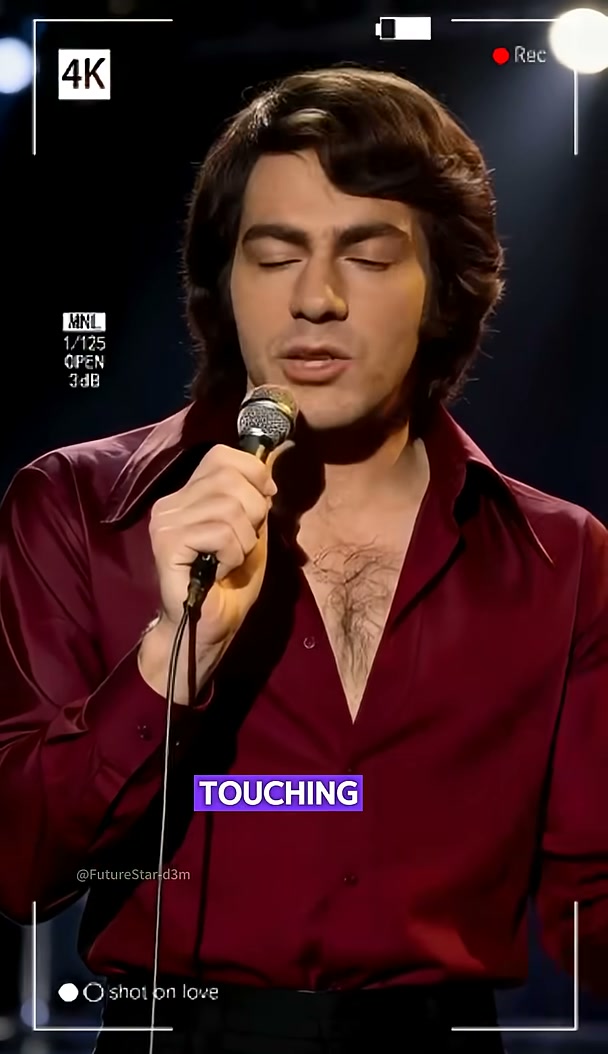
The video’s lyric-sharing approach highlights how carefully the song builds that effect. Each phrase leads naturally into the next, and the repetition allows viewers to anticipate the emotional peak even before it arrives.
Anticipation is central to the song’s identity. Part of the pleasure comes from knowing what is coming, waiting for the chorus, and feeling the familiar release when the refrain finally lands.
Although the transcript does not show a live audience, the song’s reputation as an audience-participation anthem is impossible to separate from the experience. Over decades, it has become a dependable spark in public gatherings, where the chorus often transforms listeners into a temporary choir.
That communal history adds depth to even a simple lyric video. Viewers may be reading words on a screen, but many will hear in their minds the echo of crowds answering the melody with enthusiasm.
The song’s cross-generational appeal also comes from its balance of sentiment and accessibility. Older listeners may hear a marker of the late twentieth century, while younger listeners may know it from family events, sports arenas, films, or viral singalong moments.
This layered familiarity keeps the song from belonging to only one decade. It functions as inherited musical memory, passed along not through formal instruction but through repeated moments of shared enjoyment.
The performance impact depends heavily on phrasing. The melody leaves space for the words to land, while the chorus creates a call-and-response feeling even when sung by a single voice.
That structure makes the song easy to remember and easy to inhabit. A listener does not need technical musical knowledge to feel where the emphasis belongs or to join the emotional rise.
The lyric video reinforces this accessibility by presenting the words plainly. In doing so, it reminds viewers that the song’s endurance is not built on mystery, but on directness, warmth, and emotional timing.
There is a craft to that directness. The language is conversational, yet arranged so that small phrases gather weight as the song moves from memory to contact to affirmation.
The emotional arc is especially important because it gives the song shape beyond its famous chorus. It begins in reflection, moves through surprise, arrives at intimacy, and then expands into joy that feels large enough for everyone listening.
That progression mirrors the way many people experience cherished memories. A detail returns first, then a person, then a sensation, and finally the feeling attached to the entire moment.
The song also benefits from its refusal to overcomplicate happiness. In popular music, joy can sometimes feel thin if it lacks conflict, but here the steadiness of the emotion becomes part of the appeal.
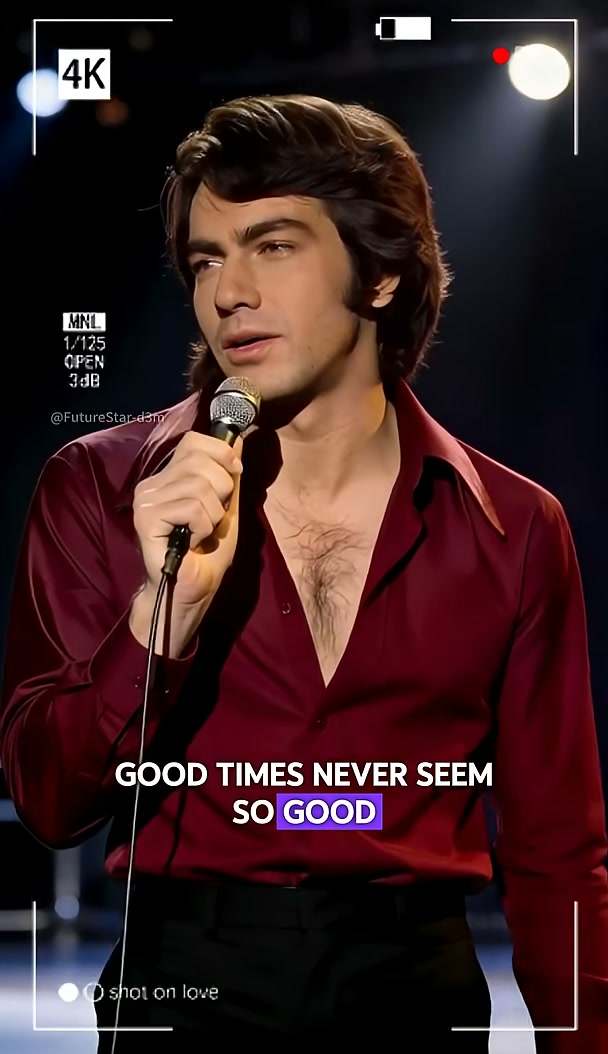
The listener is not asked to solve a problem or decode a hidden message. Instead, the song offers a restorative mood, one that makes affection feel durable and celebration feel deserved.
As a nostalgic artifact, the song carries the sound and sensibility of its era while remaining flexible enough for new contexts. Its melody and chorus have survived changing tastes because they are built on participation, not fashion alone.
That is why the song can appear in a modest lyric video and still feel expansive. The words on screen are enough to summon decades of performances, memories, and collective responses.
The title phrase itself has become a cultural signal. When people hear it, many instinctively prepare for the next line, the next burst of melody, and the familiar expression of good times.
This reflexive recognition is rare and valuable. It shows that the song has moved beyond being only a recording and has become a shared social cue for warmth and belonging.
The video’s emphasis on love and inspiration fits the song’s broader emotional legacy. Even when interpreted as a straightforward romantic ballad, it reaches toward something more universal: the comfort of being lifted by another person’s presence.
That universality does not erase the song’s sentimental nature. Rather, it explains why the sentiment works, because the feeling is uncomplicated enough to be widely shared without becoming empty.
There is also a gentle resilience in the repeated assurance that the good times feel better than expected. The line can sound celebratory in a crowd, but it can also feel quietly healing when experienced alone.
That dual quality helps the song remain useful in different emotional settings. It can soundtrack a public celebration, a family memory, a nostalgic evening, or a simple moment of private uplift.
The absence of complex narrative details leaves room for listeners to bring their own lives into the song. The person addressed in the lyrics can become a memory, a partner, a friend, a place, or even a feeling from youth.
This openness is one reason the ballad continues to renew itself. Each generation can claim it without needing to change its basic meaning.
Ultimately, the lyric video succeeds because it understands that the song does not need reinvention to remain powerful. By foregrounding the words and allowing the familiar emotional build to unfold, it honors the qualities that made the track beloved in the first place.
“Sweet Caroline” endures because it turns simple language into shared feeling. Its romance, nostalgia, and singalong design continue to remind listeners that a familiar song can still create a fresh moment of connection.